Quick Answer
To build high protein vegan meals for athletes, focus on combining legumes, whole grains, and plant-based protein sources in each dish, and plan around 20–30 grams of protein per meal.
Why plant-based protein works for athletes
Athletes often worry that vegan meals won't provide enough protein, but with the right combinations, plant-based diets can fully support muscle repair and energy. The key is variety: different plant proteins complement each other to deliver all essential amino acids.
A practical approach is to include a protein source in every meal and snack. This keeps your intake steady throughout the day, which is more effective for recovery than a single large serving.
Trade-offs: whole foods vs. protein powders
Whole foods like beans, lentils, and tofu offer fiber and micronutrients that powders lack, but they require more planning to hit high protein targets. Protein powders are convenient for post-workout shakes but should not replace whole meals.
For most athletes, a mix works best: use whole foods for meals and a powder only when you need a quick protein boost.
5 Steps to Build High Protein Vegan Meals
- Choose a protein base: Pick one main protein source per meal: legumes (lentils, chickpeas, black beans), tofu, tempeh, or seitan. Aim for about 15–20 grams from this base. Common mistake: relying only on vegetables for protein. Always include a legume or soy product.
- Add a complementary grain: Pair your protein base with a whole grain like quinoa, brown rice, or whole wheat pasta. Grains provide additional protein and help create a complete amino acid profile. Checkpoint: Quinoa and amaranth are higher in protein than white rice, so swap them in when you need an extra boost.
- Include a protein-rich vegetable: Add vegetables like broccoli, spinach, or peas to increase total protein and micronutrients. These also add volume without excess calories. Common mistake: skipping greens. They add protein and support recovery with vitamins and minerals.
- Use a sauce or topping with protein: Finish the dish with a protein-dense addition: nutritional yeast, hemp seeds, or a tahini-based dressing. These can add 5–10 grams of protein easily. Checkpoint: Two tablespoons of hemp seeds provide about 6 grams of protein—an easy upgrade.
- Adjust portions to your training load: On heavy training days, increase portion sizes or add a snack like a protein smoothie. On rest days, keep meals moderate to match lower energy needs. Common mistake: eating the same portions every day. Adjust based on activity level to meet protein needs without excess calories.
Helpful Cookbooks for High Protein Vegan Meals
-
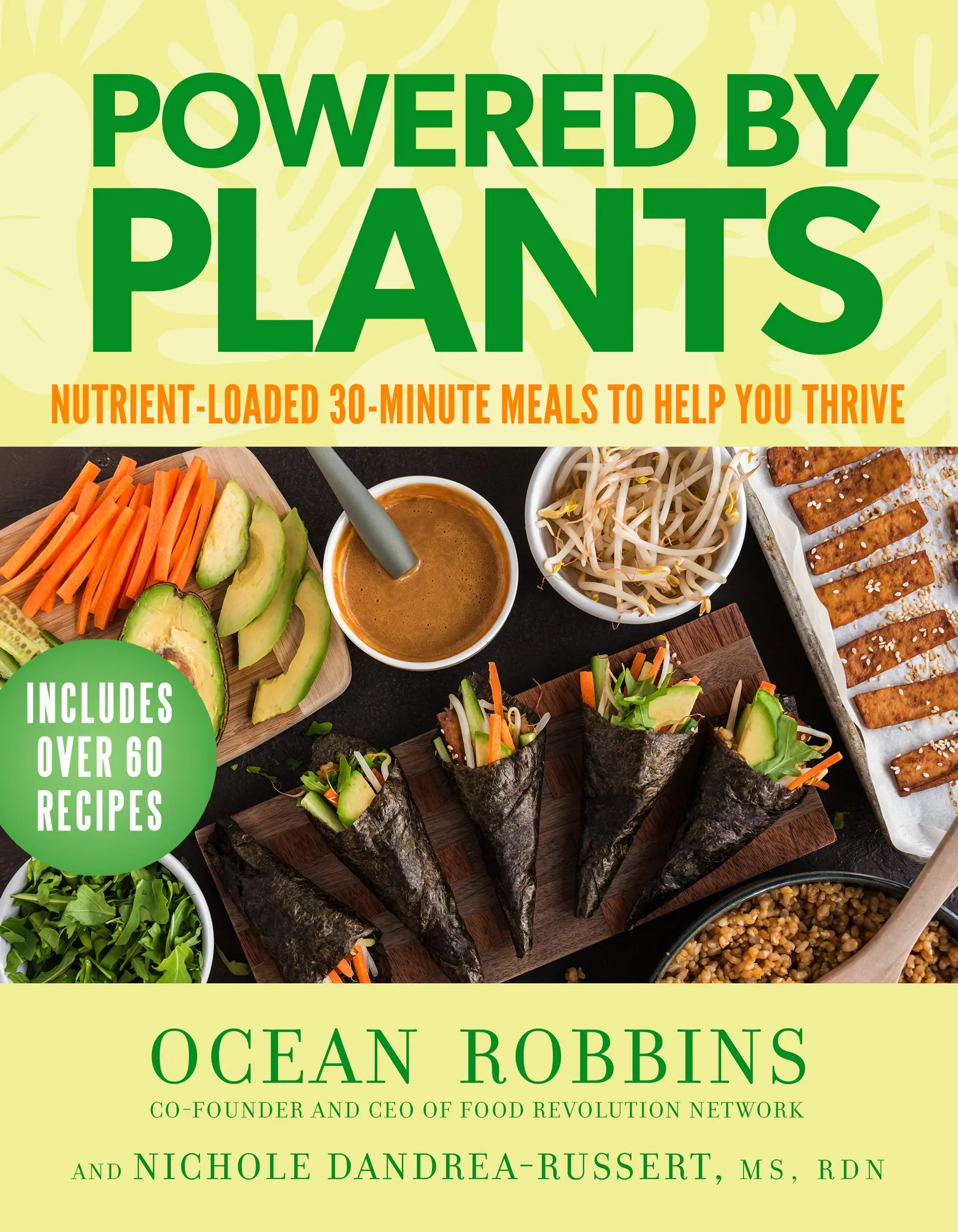
Powered by Plants: This cookbook features 30-minute plant-based recipes designed to deliver essential nutrients for optimal health. It helps athletes prepare high protein vegan meals quickly without sacrificing nutrition, making it easier to stick to a busy training schedule.
Powered by Plants