The Real Difference Is Where the Waistband Sits
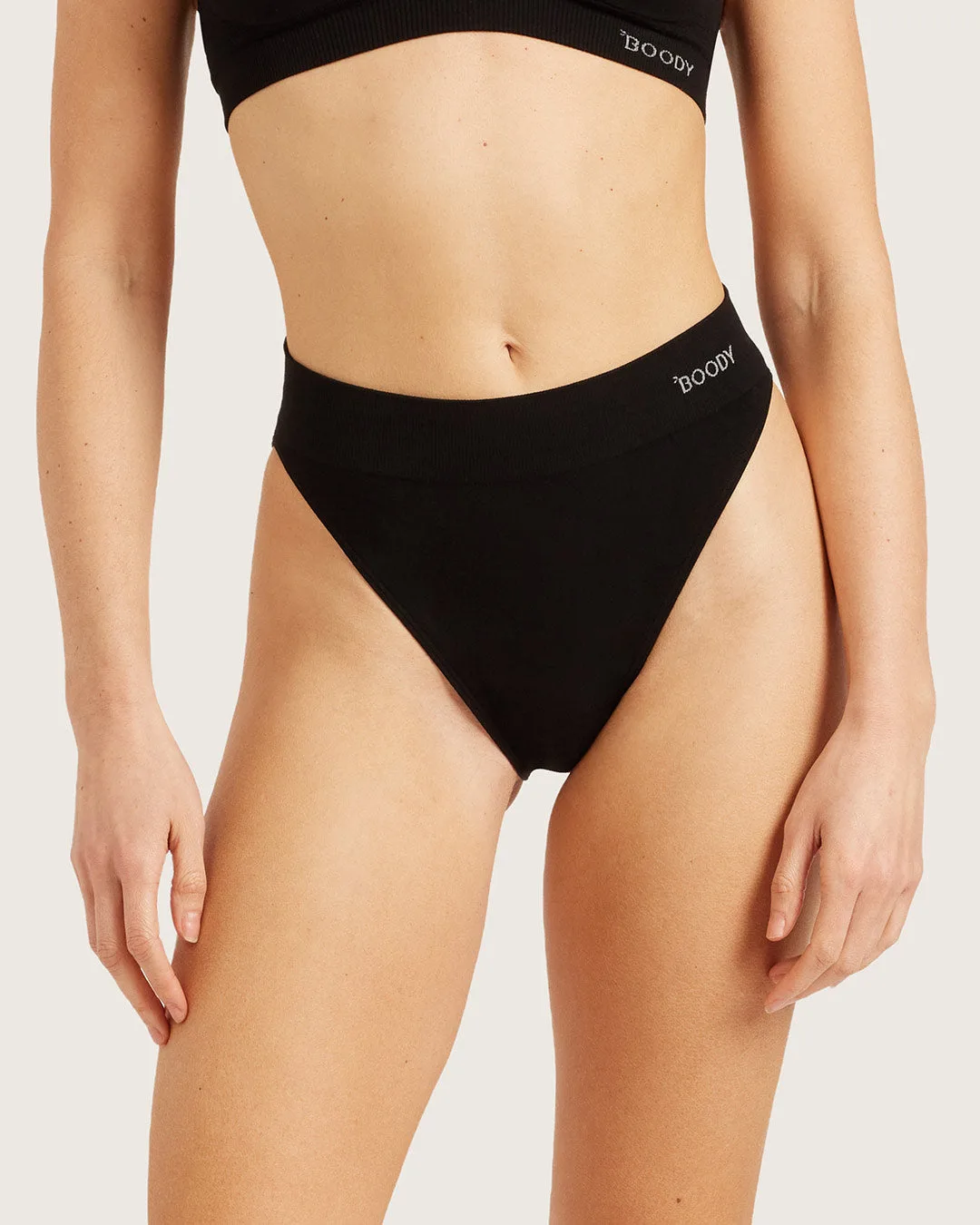
When you compare a high waist brief vs regular brief, the most obvious change is the waistband height. A high-waist brief rises closer to the natural waist, while a standard brief sits lower, often around the hip. That shift affects coverage, how the brief feels under clothes, and which outfits it pairs with.
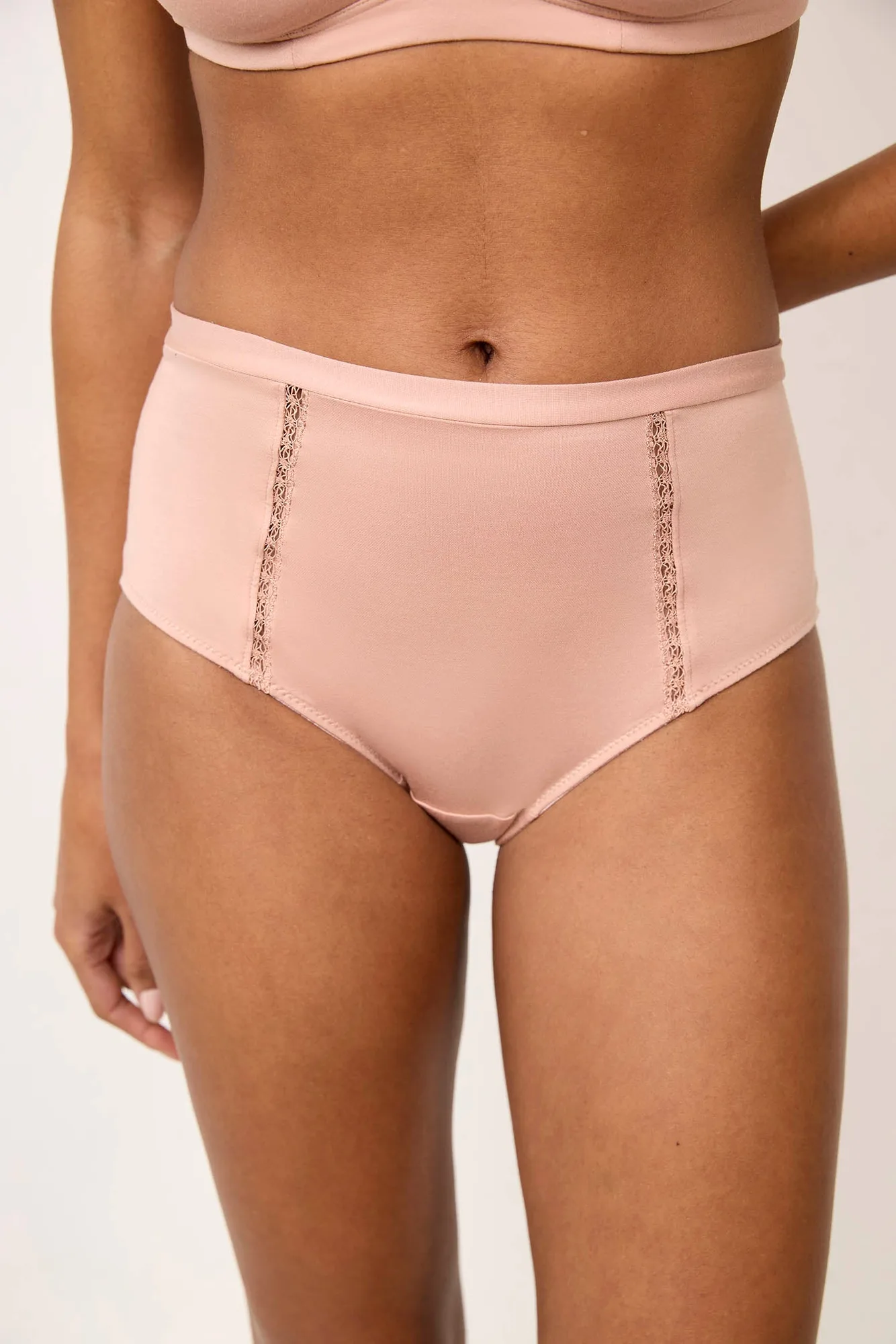
This comparison focuses on those fit differences, using the SOFTNESS high-waist brief as a concrete example. The catalog describes it as a high-waist brief in Tencel® with a clean-cut edge that is invisible under clothes, an ultra-soft fabric, and a soft knit waistband. Those details help explain what changes when you move from a standard brief to a high-waist style.
High-Waist vs Standard Brief: Side-by-Side on Fit
- Waistband coverage: A high-waist brief covers more of the midsection because the waistband sits higher. A standard brief leaves the area above the hip uncovered. The SOFTNESS brief has a soft knit waistband at the top, which the catalog highlights as part of its comfort design.
- High rise comfort: Because the waistband rests at the natural waist, a high-waist brief can feel more secure and less likely to shift during the day. A standard brief may feel lighter but can move around more. The SOFTNESS brief is described as ultra-soft and comfortable for daily wear, which supports the comfort goal of a high rise.
- Invisibility under clothes: The clean-cut edge of the SOFTNESS brief is designed to be invisible under clothing. A standard brief may have different seam placement or leg openings that show through tighter garments. The catalog specifically notes the clean cut for the SOFTNESS, so that is a documented difference to consider.
- Fabric and feel: The SOFTNESS brief uses Tencel®, a fiber known for softness. The catalog calls the material ultra-soft and comfortable. A standard brief could be made from various fabrics, so the feel depends on the specific product. If softness is a priority, the Tencel® content is a relevant detail.
SOFTNESS High-Waist Brief: Catalog Facts That Matter for This Choice
-
SOFTNESS: High-waist brief in Tencel® for everyday comfort. Confirms the high-waist design and the Tencel® fabric, which are central to comparing it with a standard brief.
SOFTNESS
-
SOFTNESS: Clean cut edge designed to be invisible under clothes. Addresses a common concern about visible panty lines, a factor that may differ from a standard brief.
-
SOFTNESS: Ultra-soft and comfortable material. Highlights the comfort aspect that many readers associate with high-waist briefs.
-
SOFTNESS: Soft knit waistband at the waist. The waistband is a key contact point; a soft knit band can reduce digging compared with a standard elastic band.
-
SOFTNESS: Available in sizes 1 through 5. Shows the size range so you can check if your size is offered.
What the Catalog Does Not Confirm
The supplied information for the SOFTNESS brief does not include specific measurements for rise height, leg opening, or fabric composition percentages. It also does not detail care instructions beyond the clean-cut feature. If you need precise measurements or washing guidance, check the product page or contact the brand directly. This absence of detail is not a negative; it simply means those specifics are not available in the current catalog excerpt.
How to Decide Between High-Waist and Standard Briefs
- Choose high-waist if you want more coverage and a secure feel.: The SOFTNESS brief offers a soft knit waistband and Tencel® fabric for comfort, with a clean cut for invisibility.
- Choose standard if you prefer a lower rise and lighter feel.: Standard briefs sit lower on the hip and may suit low-rise pants or personal preference for less coverage.
- Consider your wardrobe.: High-waist briefs pair well with high-rise jeans and skirts; standard briefs work with mid or low-rise bottoms.