Quick answer
Brew Himalayan Mist Green Tea with water around 75-80°C, about one teaspoon of leaf per 200 ml, and a first steep of 2-3 minutes. This protects the grassy, vegetal notes and the mellow sweet floral character described in the catalog, and it keeps the cup from turning bitter. Taste after two minutes on your first attempt and adjust from there.
What this tea actually tastes like
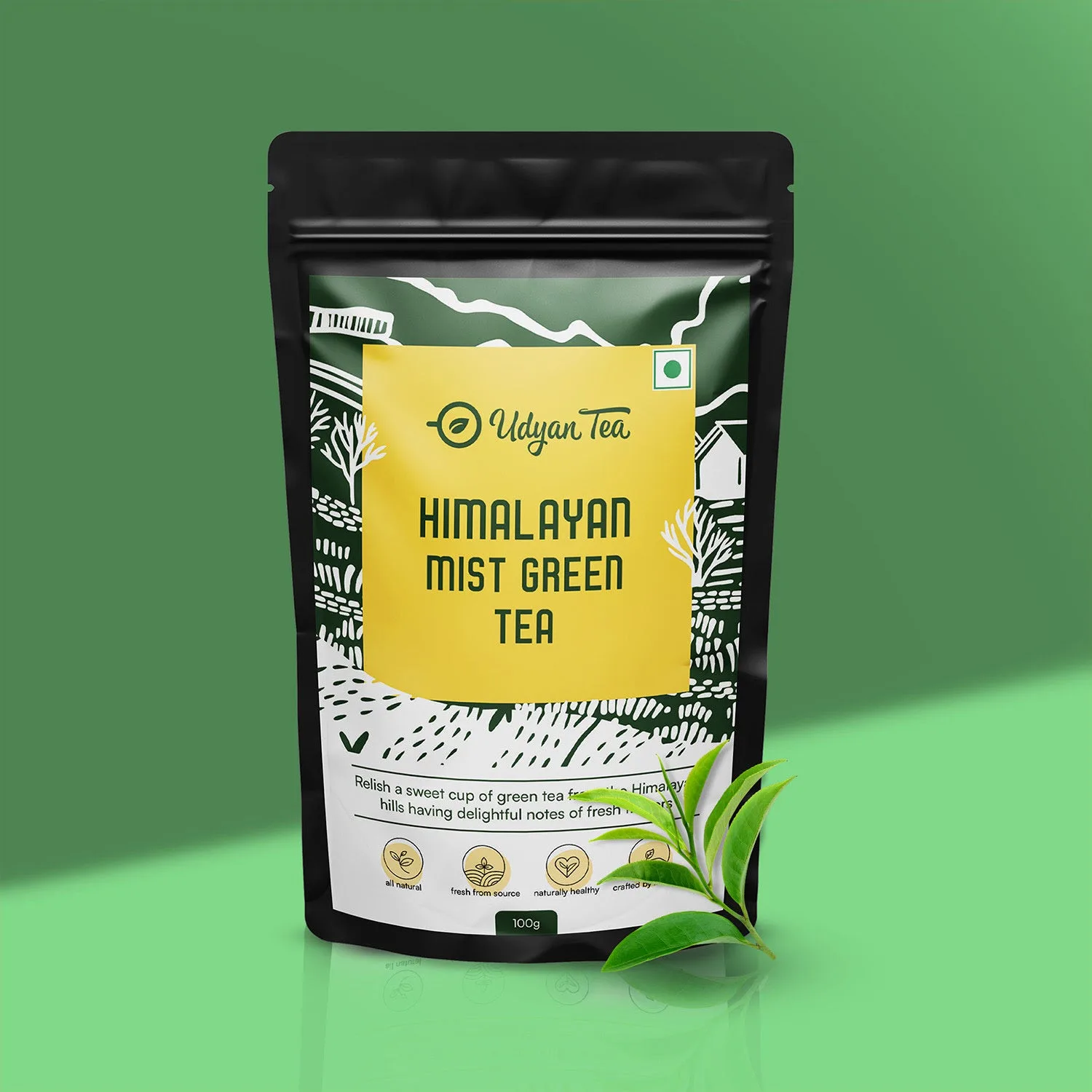
Himalayan Mist Green Tea is sourced from Himalayan hilltops and described by the tea masters as delivering grassy, vegetal notes that evoke mountain greenery, balanced by mellow sweet notes of fresh flowers. That combination matters when you brew it: the vegetal side shows up early in the steep, while the floral sweetness tends to arrive later and linger in the finish.
Because the flavor leans fresh and green rather than roasted or smoky, the brewing variables that matter most are water temperature and time. Hotter water pulls out more of the brisk, green edge; cooler water keeps the cup softer and more floral. Neither is wrong, but they produce noticeably different cups from the same leaf.
What you need before you start
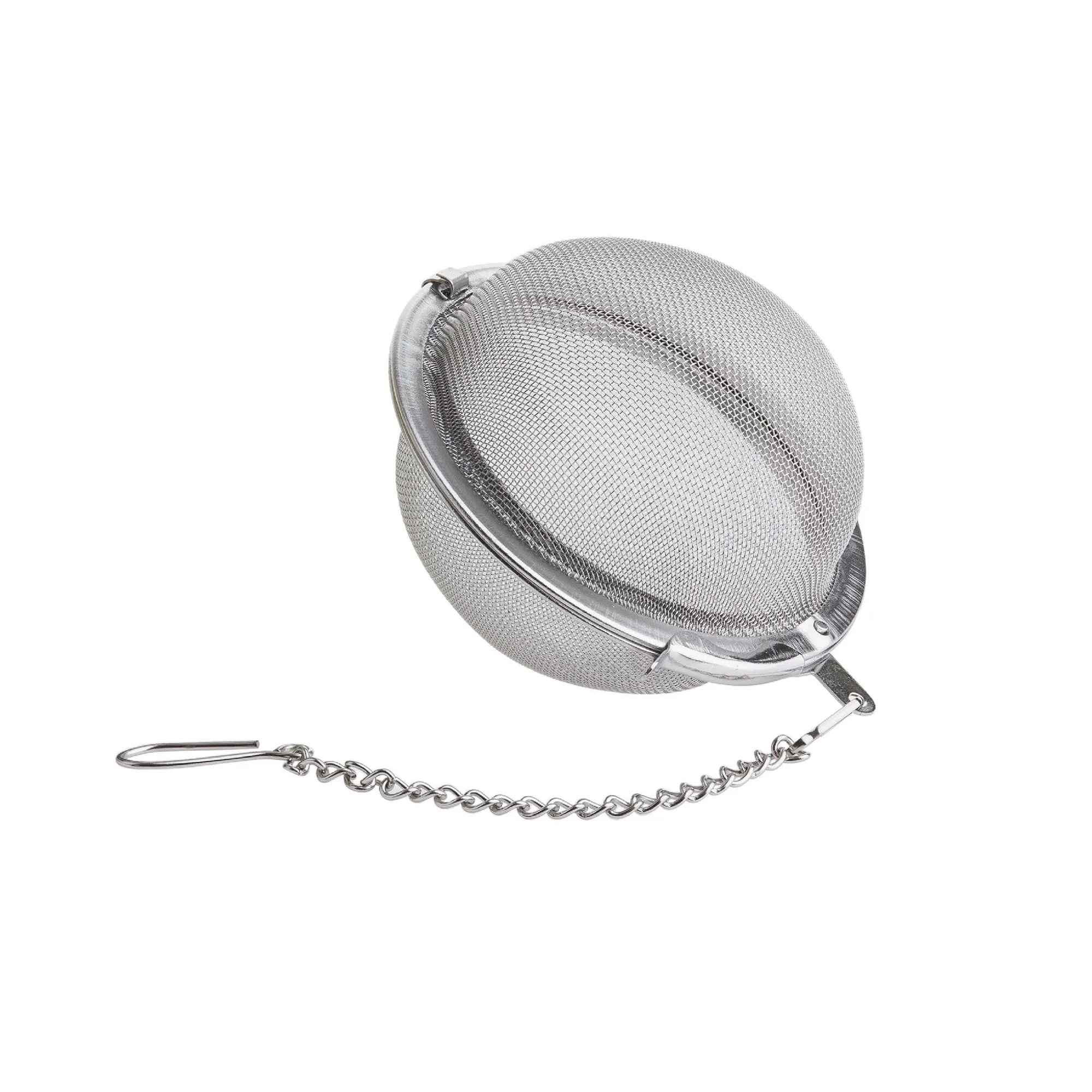
You do not need specialist equipment. A kettle you can cool slightly, a mug or small teapot, and a way to separate leaf from water are enough. A simple strainer works; a basket infuser or a small gaiwan makes repeated steeps easier.
Weighing the leaf is more reliable than eyeballing it, but if you do not have a scale, one level teaspoon of loose leaf per 200 ml is a reasonable starting point for this style of green tea. Adjust after you taste the first cup rather than before.
Why temperature matters more than steep time
Green tea brewed at a rolling boil often tastes harsh and astringent, and that is the most common complaint with this style. Letting the kettle sit for a few minutes after boiling, or pouring water into a cool cup first and then over the leaf, brings the temperature down without extra equipment.
If you prefer a stronger cup, add more leaf or add a second steep rather than pushing the temperature higher. That keeps the grassy and floral balance intact instead of flattening it into bitterness.
Step-by-step brewing method
- 1. Heat water and let it cool to 75-80°C: Boil fresh water, then wait a few minutes before pouring, or transfer it to a cool vessel first. If you have a thermometer, aim for the lower end of the range on your first attempt. Checkpoint: if steam is still rising hard off the surface, it is too hot for this tea.
- 2. Measure one teaspoon of leaf per 200 ml: Use roughly one level teaspoon of Himalayan Mist Green Tea for a 200 ml cup. If you prefer a bolder cup, add a little more leaf rather than steeping longer. Common mistake: overfilling the infuser so the leaf cannot expand and release flavor evenly.
- 3. Pour and start timing at 2 minutes: Pour the cooled water over the leaf and set a timer for two minutes. Taste at that point before deciding whether to continue. Checkpoint: the first taste should be grassy and fresh, not sharp or drying.
- 4. Remove the leaf by 3 minutes: If the two-minute taste is too light, give it up to one more minute, then lift the infuser or strain the tea. Leaving green leaf sitting in the water is the fastest way to a bitter cup. Common mistake: walking away and letting the leaf steep for five or more minutes.
- 5. Re-steep for a second cup: The same leaf will usually give a second steep. Use the same temperature and add roughly 30-60 seconds to the time, since the leaf has already opened up. Checkpoint: the second steep is often where the mellow floral sweetness comes forward most clearly.
- 6. Adjust one variable at a time: If the cup was too bitter, lower the temperature or shorten the steep next time. If it was too weak, add more leaf rather than raising the heat. Next step: keep a short note of the temperature and time that worked so you can repeat it.
About the tea in this guide
- Himalayan Mist Green Tea: Sourced from Himalayan hilltops and described as delivering grassy, vegetal notes combined with mellow sweet notes of fresh flowers. The fresh, green profile is the reason this tea responds well to cooler water and shorter steeps rather than a hard, boiling brew.