From keeping your morning coffee steaming hot to ensuring ice-cold water on a summer hike, insulated drinkware has become an essential part of modern life. But have you ever wondered how we got here? The history of insulated drinkware is a story of human ingenuity, scientific discovery, and relentless innovation. In this article, we will trace the evolution of tumblers and bottles from primitive cooling methods to the high-performance designs we rely on today.
Understanding the history of insulated drinkware not only deepens our appreciation for everyday products but also reveals how the drinkware industry has continuously adapted to meet changing needs. Whether you are a hydration enthusiast or a curious consumer, this journey through time will show you how far we have come—and how products like the https://zak-us.com/products/harmony-insulated-bottle-32-oz-78741https://zak-us.com/products/harmony-insulated-bottle-32-oz-78742https://zak-us.com/products/harmony-insulated-bottle-32-oz-78743https://zak-us.com/products/harmony-insulated-bottle-32-oz-78745Harmony Insulated Bottle, 32 oz. and the Sutton Insulated Tumbler, 30 oz. represent the pinnacle of that evolution.
Early Beginnings: Keeping Drinks Cool Before Insulation
Long before vacuum insulation was a concept, ancient civilizations found clever ways to keep beverages at desirable temperatures. The Chinese used double-walled porcelain vessels as early as the 7th century, while the Romans stored snow in underground pits to chill wine. These early methods relied on thermal mass and simple barriers, but they lacked the efficiency of modern insulation. The real breakthrough came with the understanding of heat transfer and the development of vacuum technology in the late 19th century.
The first commercially successful insulated container was the Thermos, invented in 1892 by Scottish scientist Sir James Dewar. Dewar’s vacuum flask was originally designed for laboratory use to store liquid gases, but it quickly caught the public’s imagination. By 1904, the Thermos company was mass-producing vacuum bottles for everyday use, revolutionizing how people carried hot and cold drinks. This invention laid the foundation for the entire drinkware industry, inspiring countless designs that followed.
- Ancient Chinese double-walled porcelain kept tea warm for hours.
- Roman ice houses used compacted snow and straw for insulation.
- Sir James Dewar’s vacuum flask was the first true insulated container.
The Rise of Vacuum Insulation Technology
The principle behind vacuum insulation is elegantly simple: by creating a vacuum between two walls of a container, heat transfer through conduction and convection is nearly eliminated. Early Thermos bottles used glass liners, which were fragile but effective. Over the decades, manufacturers experimented with materials like stainless steel, which offered durability and better thermal performance. By the mid-20th century, vacuum-insulated stainless steel bottles became popular for outdoor enthusiasts and workers who needed reliable temperature retention.
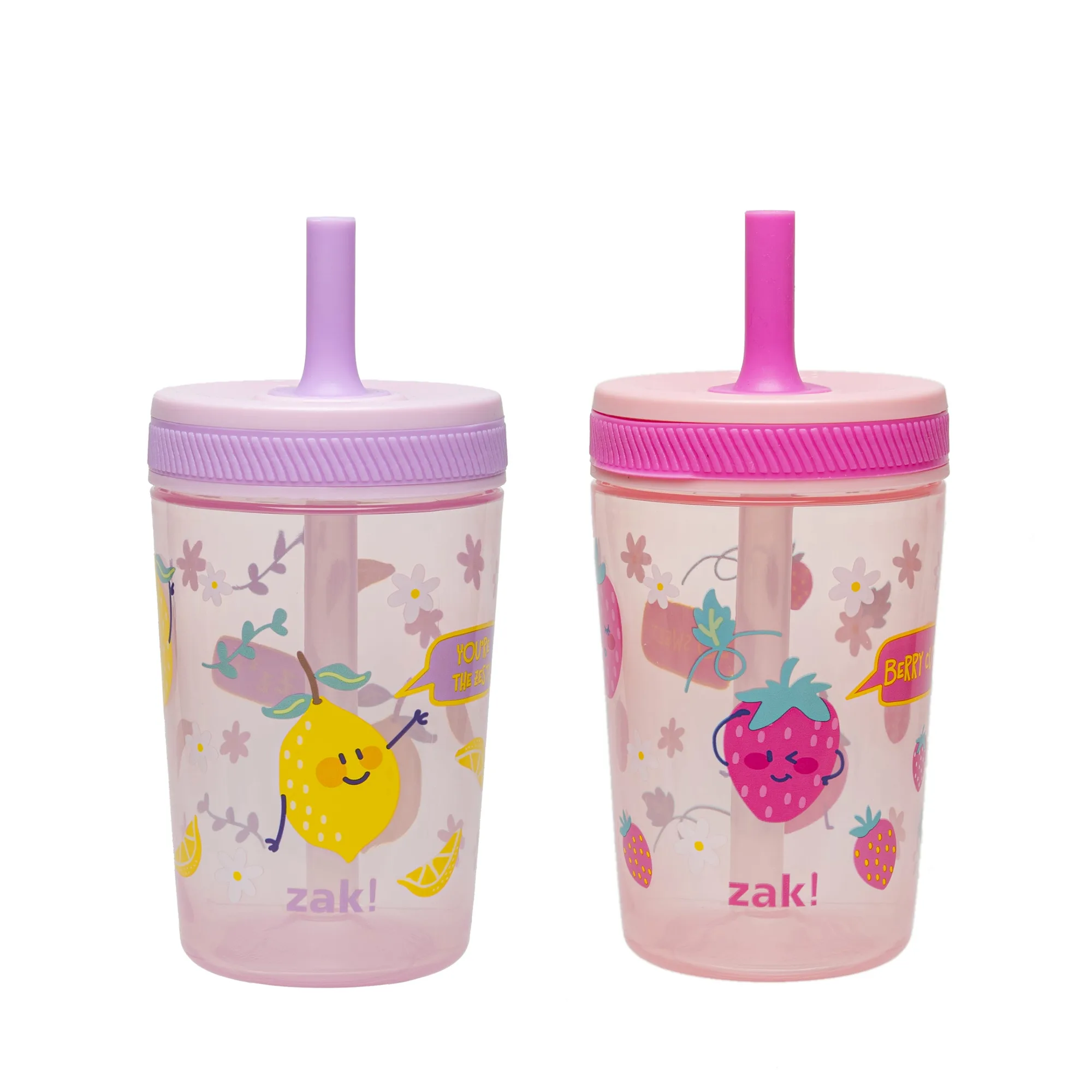
The evolution of tumblers and bottles accelerated in the 1990s and 2000s as companies focused on improving lid designs, adding powder coatings, and refining double-wall construction. Today, vacuum insulation is the gold standard, allowing products like the Kelso Tumbler, 15 oz. (2 Pack) to keep drinks hot or cold for hours. The drinkware industry now prioritizes not only performance but also aesthetics, sustainability, and user convenience, making insulated drinkware a staple in homes, offices, and on the go.
- Vacuum insulation eliminates conduction and convection for superior temperature retention.
- Stainless steel replaced glass for durability and safety.
- Modern designs include leak-proof lids and eco-friendly materials.
The Modern Era: Tumblers, Bottles, and Lifestyle Integration
In the last two decades, insulated drinkware has evolved from a niche outdoor product to a mainstream lifestyle accessory. The rise of coffee culture, fitness trends, and environmental awareness has driven demand for reusable bottles and tumblers that perform exceptionally well. Brands now offer a dizzying array of sizes, colors, and features—from straw lids to handle options—catering to every possible use case. The Sutton Insulated Tumbler, 30 oz. is a perfect example of this trend, combining large capacity with ergonomic design for all-day hydration.
The drinkware industry has also embraced sustainability, with many consumers choosing reusable insulated bottles to reduce single-use plastic waste. Innovations like copper-lined insulation and advanced lid sealing have pushed thermal performance even further. Today, whether you are commuting, hiking, or lounging at home, there is an insulated bottle or tumbler designed to fit your lifestyle. The history of insulated drinkware shows that the best products are those that seamlessly blend science with everyday practicality.
- Insulated drinkware is now a fashion statement and a sustainability tool.
- Copper lining and advanced seals enhance heat retention.
- Reusable bottles help reduce plastic waste globally.
From Sir James Dewar’s laboratory flask to the sleek, durable designs we use today, the history and evolution of insulated drinkware is a testament to human creativity and the pursuit of convenience. Whether you prefer a classic bottle or a modern tumbler, the technology behind these products continues to improve. Explore the Harmony Insulated Bottle, 32 oz. for a perfect blend of heritage and innovation in your daily hydration routine.