The camo kit bag, a staple of US military field gear, has a rich history that dates back to World War II. Originally designed as a practical solution for carrying essential items, this bag evolved through decades of conflict, adapting to the needs of soldiers in varied environments. For reenactors and history enthusiasts, understanding the origins of the camo kit bag provides deeper insight into the daily life of troops and the ingenuity behind military equipment.
In this article, we trace the development of the camo kit bag from its early WWII prototypes to its modern iterations. We explore how camouflage patterns, materials, and design changes reflect broader shifts in military strategy and technology. Whether you are building a WWII impression or simply appreciate military history, the story of this humble bag offers a fascinating glimpse into the past.
Origins in World War II: The Birth of the Camo Kit Bag
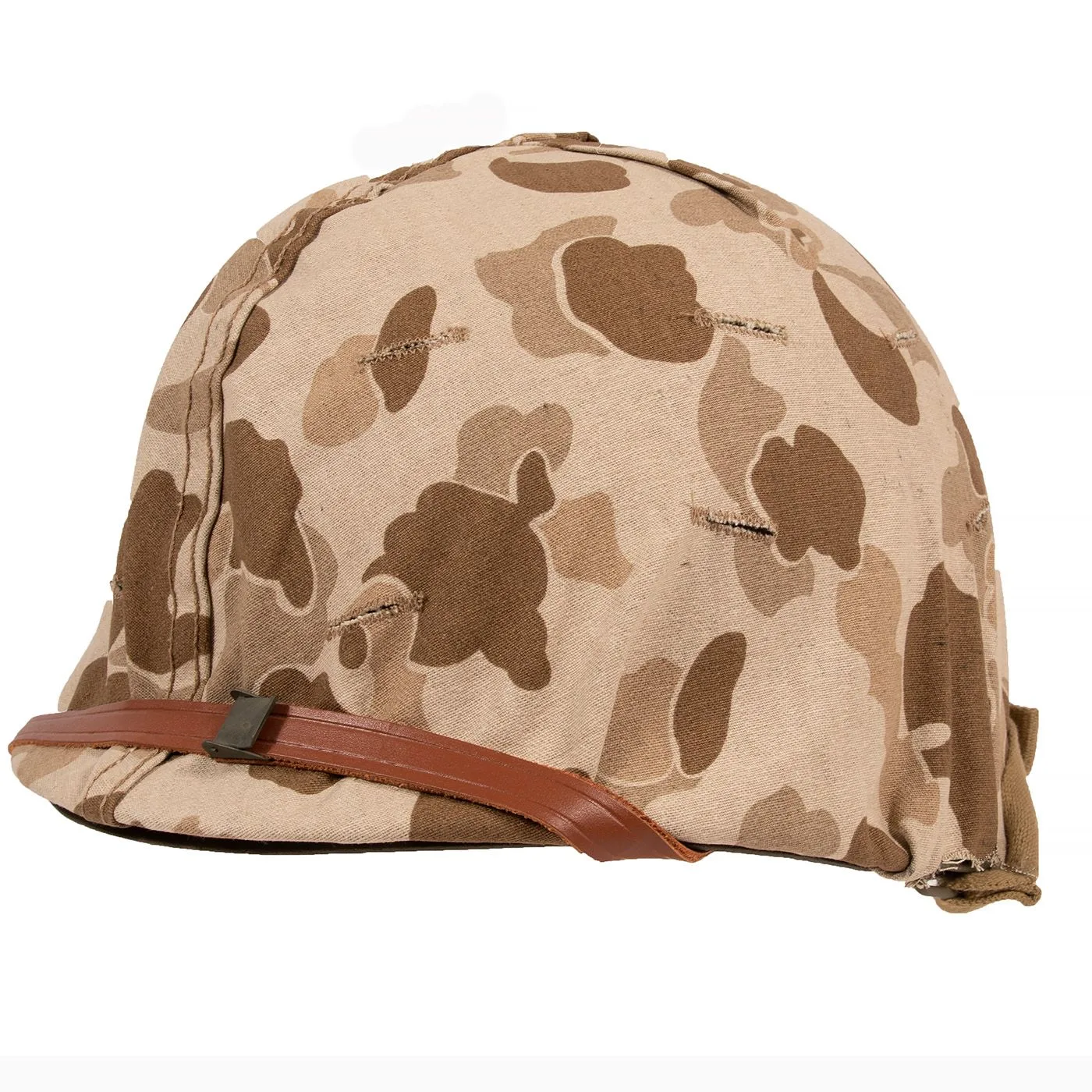
The camo kit bag first appeared during World War II as a lightweight, waterproof alternative to heavier duffel bags. The US military needed a compact carryall that could hold a soldier's personal effects, toiletries, and small equipment without adding significant weight. Early versions were often made from cotton canvas treated with a waterproof coating, and they featured a simple drawstring closure. The first camouflage patterns used on these bags were experimental, such as the frog-skin pattern issued to paratroopers and Marines in the Pacific theater.
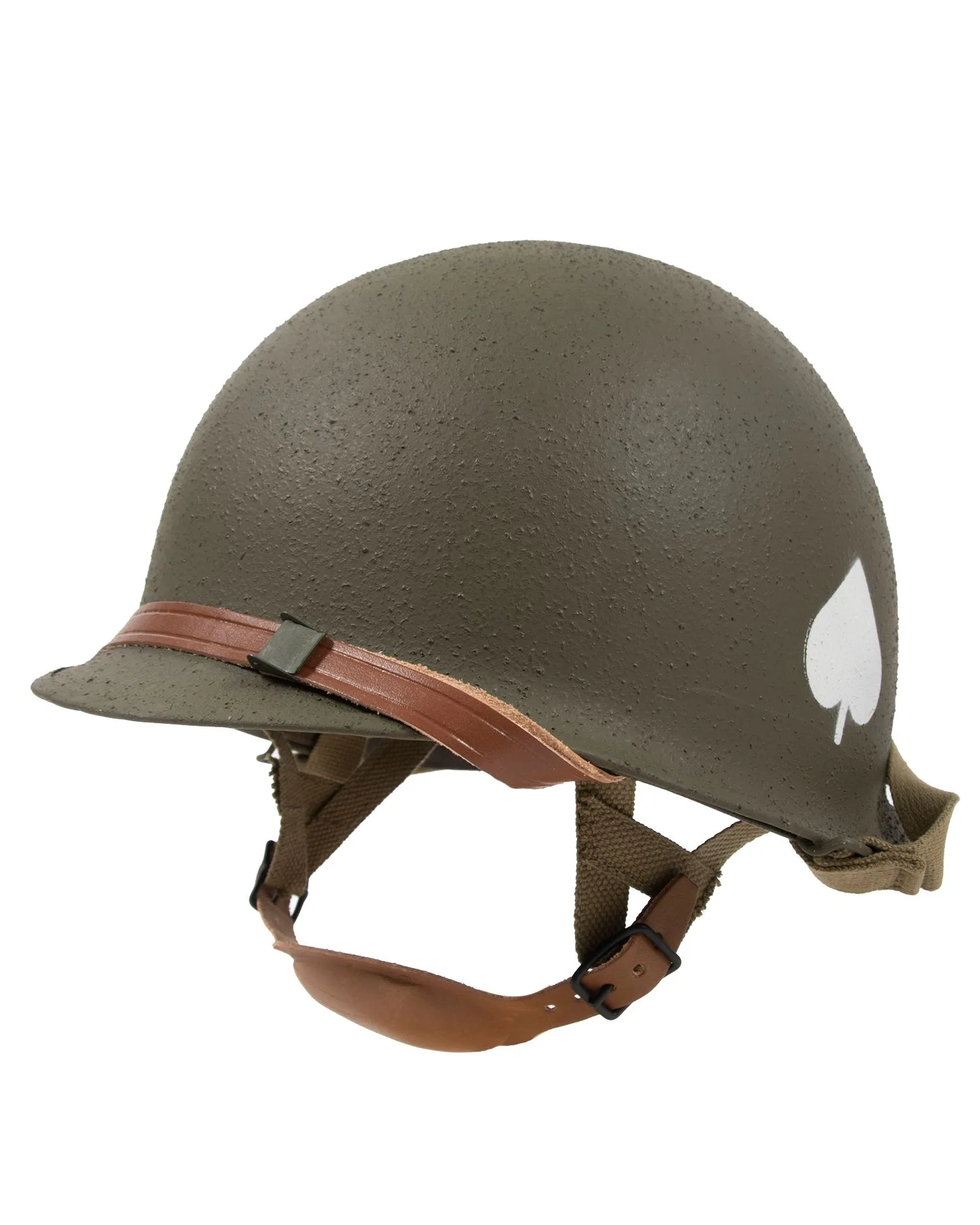
These early bags were not standardized across all branches. For instance, the Army Air Forces used a khaki or olive drab version, while Marine Corps units often received bags printed with the M1942 reversible spot pattern. The design was practical: a cylindrical shape with a flat bottom allowed the bag to stand upright, making it easy to access contents. Soldiers quickly adopted the kit bag for its versatility, using it to store everything from spare socks to ammunition pouches. Today, original WWII examples are highly sought after by collectors, and modern reproductions like the https://wildernessworks.shop/products/wwii-parts-506th-paratrooper-helmet-99282WWII Parts 506th Paratrooper Helmet and the Single Button M43 Cap help recreate the full look of a period-correct impression.
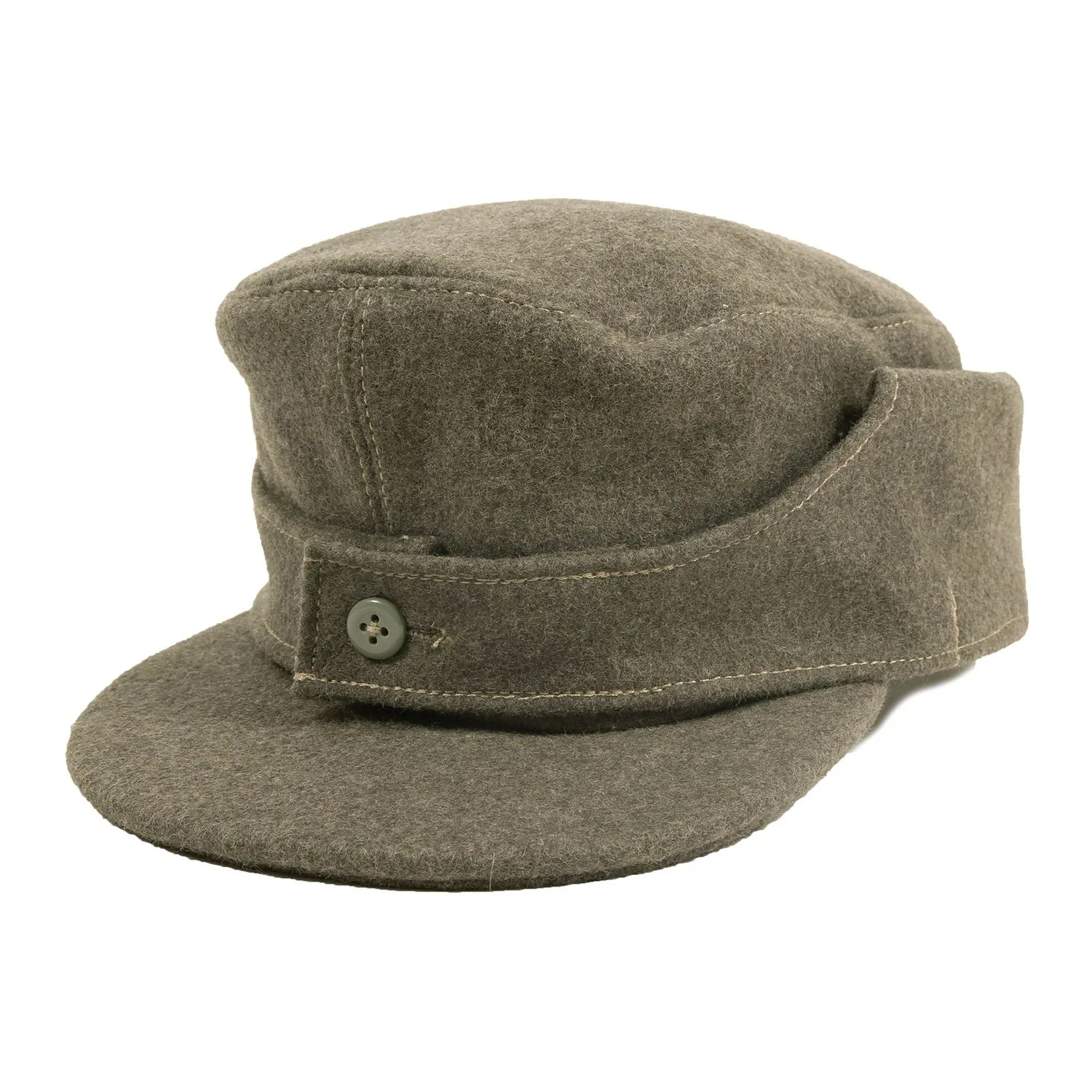
Single Button M43 Cap
- Early camo kit bags were often hand-made or produced in small batches by quartermaster units, leading to variations in size and pattern.
Post-War Evolution: From Korea to Vietnam
After WWII, the camo kit bag continued to serve in the Korean War, though its design saw only minor refinements. The introduction of nylon and synthetic fabrics in the 1950s led to lighter, more durable versions. By the Vietnam War, the bag had become a standard issue item, often produced in the ERDL (Engineer Research and Development Laboratory) leaf pattern, which featured a green and brown design optimized for jungle environments. These bags were larger than their WWII counterparts, with reinforced stitching and a more robust drawstring closure.
The Vietnam-era kit bag also began to incorporate features like external pockets and D-rings for attaching to webbing. Soldiers used them to carry rations, ammunition, and personal items, often customizing them with unit patches or graffiti. The camo kit bag's role expanded beyond personal gear; it was sometimes used as a medical aid bag or a tool roll for mechanics. This adaptability ensured its continued use through the 1970s and 1980s, even as the military transitioned to more specialized load-bearing equipment.
- Many Vietnam-era kit bags were produced by small contractors, resulting in variations in color and pattern that collectors prize today.
Modern Era: The Camo Kit Bag in the 21st Century
Today, the camo kit bag remains a popular item among military personnel and outdoor enthusiasts alike. Modern versions are often made from 1000-denier Cordura nylon with MOLLE webbing for modular attachment. Camouflage patterns have evolved to include MultiCam, Woodland, and desert variants, reflecting the diverse environments where US forces operate. The bag's basic design has changed little, but improvements in materials and construction have made it more durable and water-resistant than ever.
For reenactors and collectors, the camo kit bag is an essential piece of kit for achieving an authentic impression. While modern bags are widely available, many enthusiasts prefer to use reproduction items that accurately mimic the look and feel of original gear. Accessories like the https://wildernessworks.shop/products/m1-carbine-sling-od-no-3-w-oiler-99216M1 Carbine Sling, OD no.3, w/ Oiler and the M43 Field Jacket Buttons help complete a period-correct ensemble. Understanding the history of the camo kit bag allows collectors to make informed choices about which era and pattern best suits their impression.
- When choosing a reproduction camo kit bag, pay attention to the fabric weight and stitching details to ensure it matches the original specifications for your chosen era.
Collecting and Preserving Camo Kit Bags: Tips for Enthusiasts
Collecting camo kit bags can be a rewarding pursuit, but it requires attention to detail. Original WWII bags are rare and often fragile, so proper storage is crucial. Keep them in a cool, dry place away from direct sunlight to prevent fading and fabric degradation. For reenactment use, reproduction bags offer a durable and affordable alternative. Look for bags made from cotton canvas or nylon that replicate the original pattern and construction.
When building a collection, consider focusing on a specific era or branch of service. For example, a WWII US Army kit bag in olive drab differs significantly from a Vietnam-era Marine Corps bag in ERDL pattern. Pairing your bag with other period-correct gear, such as the US Officer's Visor Cap or the Original Oakleaf B SS Parka, enhances the authenticity of your display. Always research the provenance of any original bag you purchase, and be wary of reproductions sold as originals.
- Use archival-quality tissue paper to stuff the bag when storing it, as this helps maintain its shape and prevents creases.
The camo kit bag has journeyed from a simple WWII carryall to a versatile piece of modern military gear, reflecting the changing needs of soldiers and the evolution of camouflage technology. Whether you are a reenactor, collector, or history buff, adding a well-chosen kit bag to your collection brings a tangible connection to the past. Explore our selection of authentic reproduction gear, including the Single Button M43 Cap, to complete your impression with historically accurate details.