Long before the aisles of supermarkets were lined with colorful cans of mass-produced soda, the fizzy drink we love had humble beginnings. Craft soda, also known as artisanal or premium soda, traces its roots back to the 19th century when pharmacists mixed small batches of flavored syrups with carbonated water to create medicinal tonics. These early concoctions were handcrafted, often using natural ingredients like herbs, ginger, and fruit extracts. Today, the craft soda movement has experienced a remarkable renaissance, with brands like Something & Nothing reviving the spirit of small-batch production and natural flavors.
In this article, we'll take a journey through the history of craft soda, exploring its origins, its decline during the era of mass production, and its modern resurgence as a premium, artisanal beverage. We'll also highlight how contemporary brands are honoring tradition while innovating with unique flavor combinations like Hibiscus & Rose and Ginger & Lime.
The Birth of Soda: 18th and 19th Century Origins
The story of carbonated beverages begins in the late 1700s when scientists first learned to infuse water with carbon dioxide. By the early 1800s, pharmacists in Europe and America began selling carbonated water as a health tonic. In 1835, the first bottled soda water hit the market, but it was the invention of the soda fountain in the 1850s that truly sparked the craft soda revolution. Local pharmacies would mix their own flavored syrups on-site, offering customers a personalized, small-batch experience. Popular early flavors included sarsaparilla, root beer, and ginger ale—all made from natural extracts and spices.
These early sodas were considered medicinal, often marketed as cures for headaches, indigestion, and fatigue. The craft nature of these beverages meant that each pharmacy had its own secret recipes, creating a diverse landscape of regional flavors. This era laid the foundation for the artisanal soda movement, emphasizing quality ingredients and handcrafted processes.
The Golden Age of Soda Fountains and the Rise of Mass Production
The late 19th and early 20th centuries marked the golden age of soda fountains. They became social hubs where people gathered to enjoy a refreshing drink and a chat. During this period, iconic brands like Coca-Cola and Pepsi were born, initially sold as fountain drinks. However, as demand grew, these companies shifted toward mass production and bottling, prioritizing consistency and shelf stability over artisanal craftsmanship. By the mid-20th century, the soda fountain culture declined, and the market became dominated by a few large corporations producing uniform, high-fructose corn syrup-laden sodas.
Small-batch craft soda nearly disappeared, preserved only by a handful of regional bottlers and niche producers. The focus on natural ingredients gave way to artificial flavors and preservatives. For decades, the idea of 'premium soda' was nearly forgotten, as consumers equated soda with cheap, sugary convenience.
- The shift from glass bottles to aluminum cans further standardized soda production and reduced costs, but also diminished the artisanal feel.
The Craft Soda Revival: A Return to Artisanal Roots
The late 1990s and early 2000s saw a resurgence of interest in craft beverages, driven by the broader food movement that valued local, natural, and artisanal products. Small soda companies began popping up, using real sugar, natural flavors, and traditional brewing methods. This craft soda revival mirrored the craft beer boom, with consumers seeking authenticity and unique taste experiences. Brands like Jones Soda and Boylan Bottling led the way, but the movement truly exploded in the 2010s as premium sodas became a staple in upscale restaurants and specialty stores.
Today, craft soda is defined by its commitment to quality ingredients, small-batch production, and innovative flavor profiles. Modern premium brands like Something & Nothing have taken this to the next level, offering sophisticated combinations such as Pineapple & Pink Grapefruit and Mango & Thai Basil. These sodas are often low in sugar, free from artificial additives, and packaged in elegant glass bottles that evoke the nostalgia of the soda fountain era. The craft soda market continues to grow as consumers prioritize health, sustainability, and taste.
What Makes a Modern Premium Soda? Key Characteristics
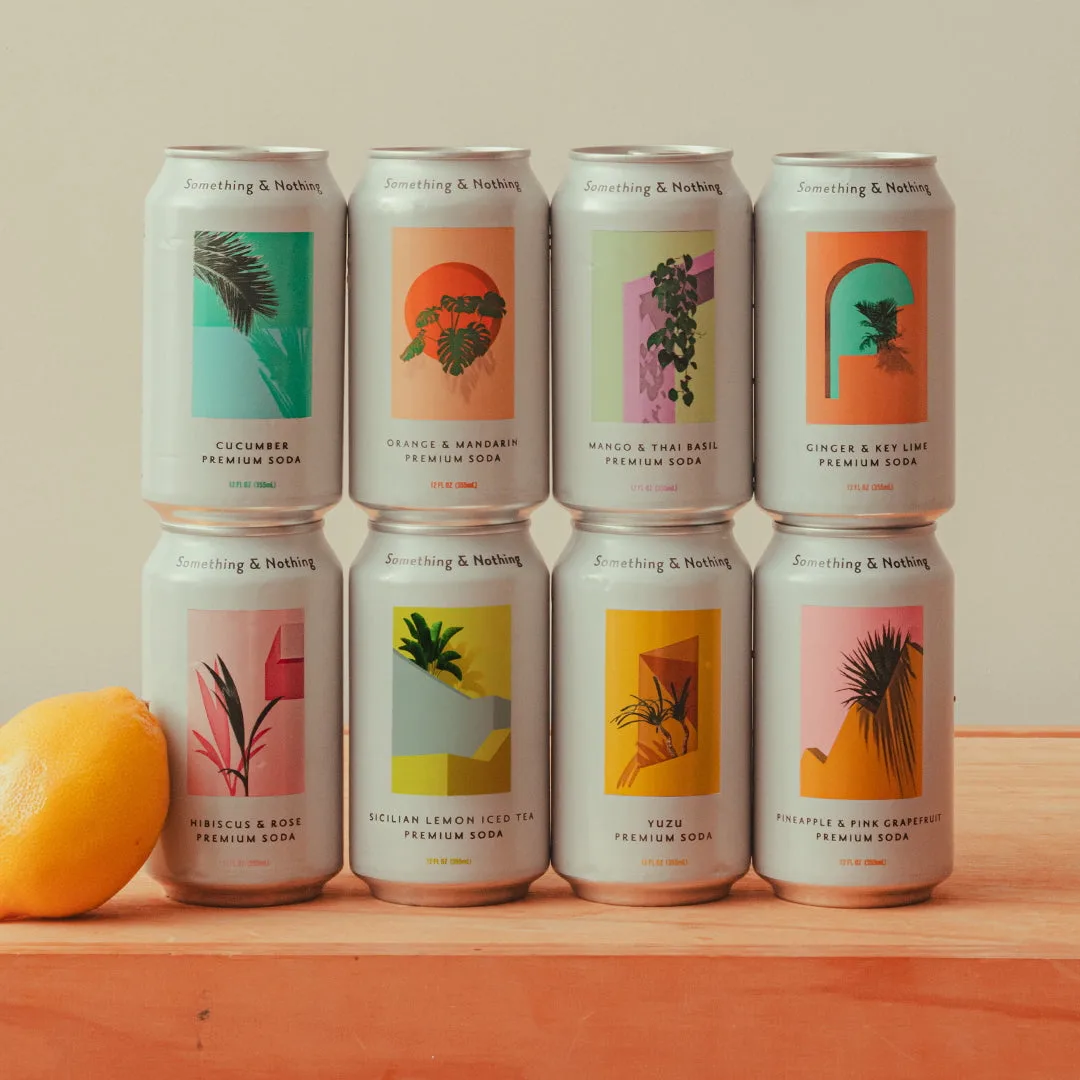
Modern premium sodas stand out from their mass-produced counterparts in several ways. First, they use natural ingredients—real fruit juices, botanical extracts, and cane sugar or natural sweeteners. Second, they are often produced in small batches to ensure quality control and flavor consistency. Third, they embrace unique, often unexpected flavor combinations that challenge the palate. For example, Something & Nothing's Cucumber soda offers a crisp, refreshing taste that pairs beautifully with cocktails or stands alone as a sophisticated non-alcoholic option.
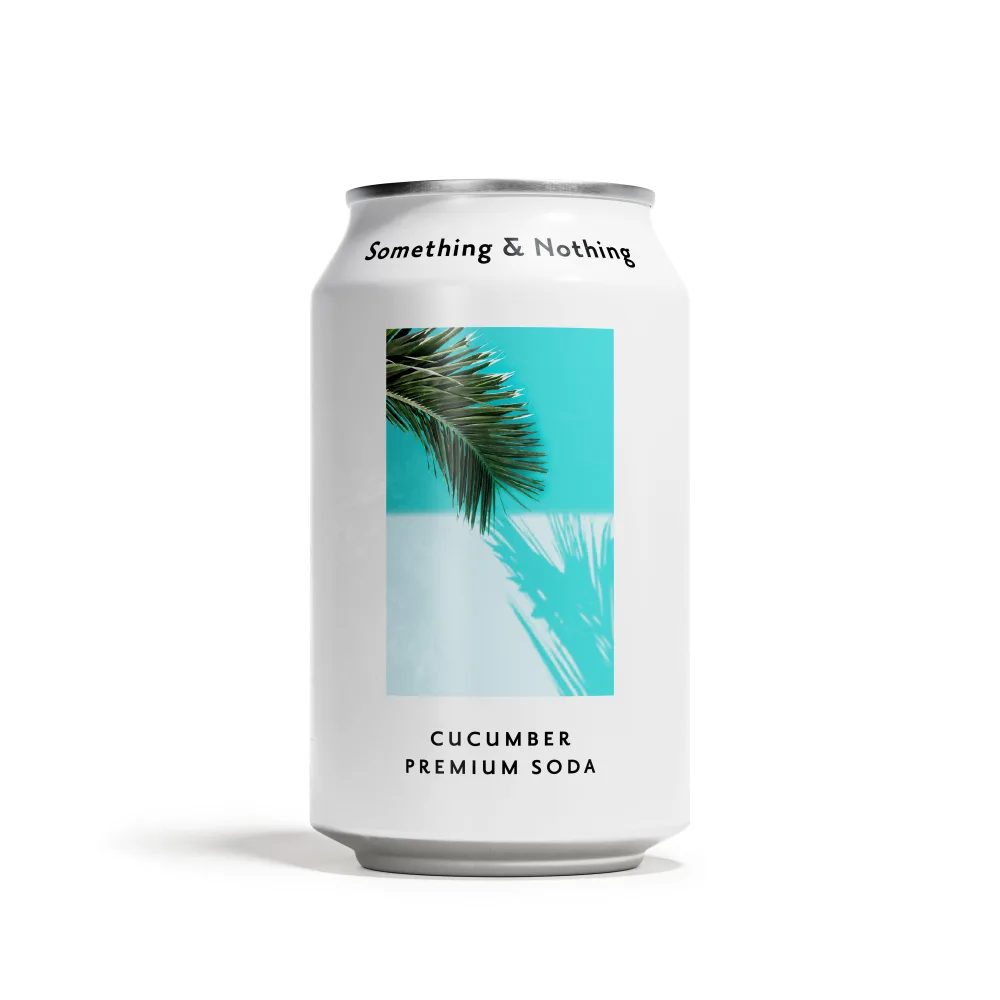
Cucumber
Additionally, premium sodas prioritize transparency and sustainability. Many brands use glass bottles, which are recyclable and preserve flavor better than plastic or aluminum. Some even implement deposit systems, like the pfand-151360">pfand-151359">Pfand program, to encourage bottle returns. The result is a beverage that feels both indulgent and responsible—a far cry from the artificial, one-size-fits-all sodas of the past.
- Natural ingredients: real fruit, herbs, and spices instead of artificial flavors and colors.
- Small-batch production: attention to detail and quality over volume.
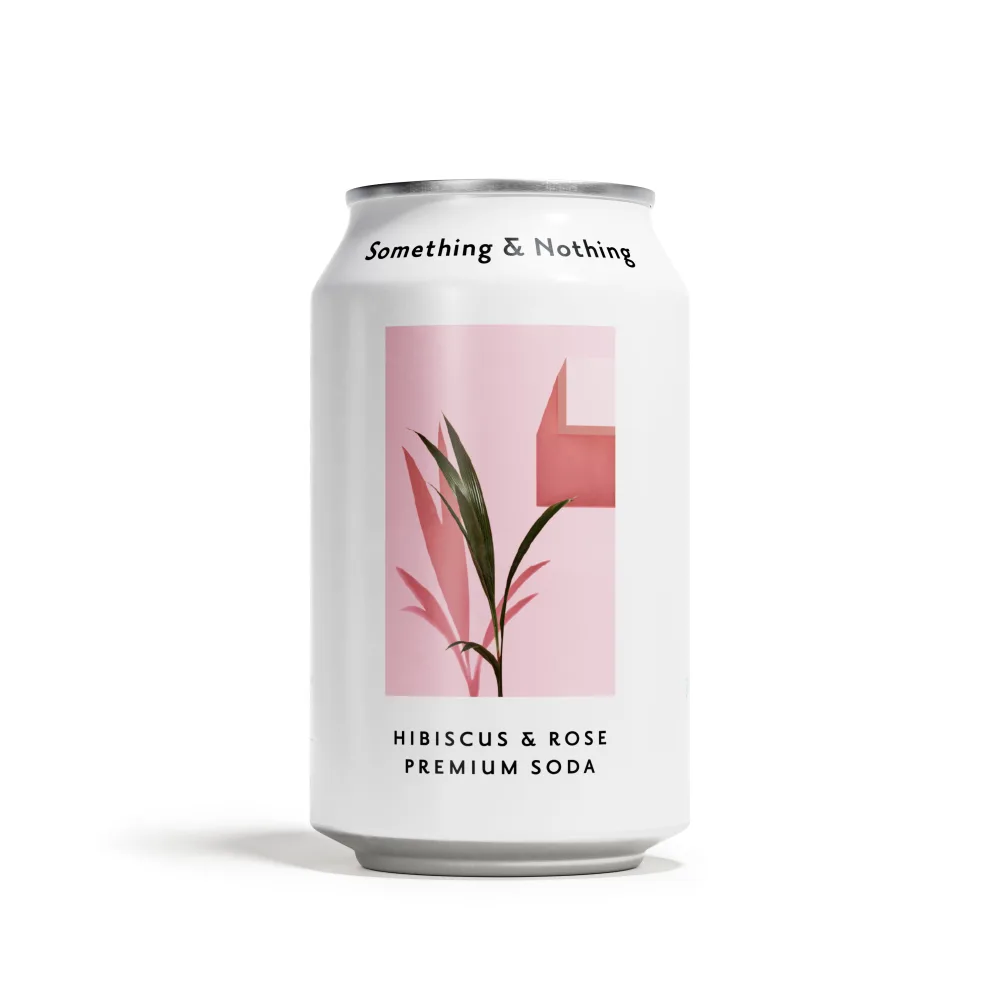
- Innovative flavors: combinations like Hibiscus & Rose or Ginger & Lime that surprise and delight.
- Sustainable packaging: glass bottles and deposit systems reduce environmental impact.
The Future of Craft Soda: Trends and Predictions
As the craft soda movement matures, several trends are shaping its future. Health-conscious consumers are driving demand for low-sugar and functional sodas that include probiotics, adaptogens, or vitamins. Flavor innovation continues to accelerate, with exotic botanicals and savory notes becoming more common. We're also seeing a rise in collaborations between craft soda brands and mixologists, as premium sodas become essential ingredients in sophisticated non-alcoholic cocktails.
Sustainability will remain a key focus, with more brands adopting closed-loop bottle deposit systems and carbon-neutral production methods. The direct-to-consumer model, popularized by e-commerce platforms, allows craft soda enthusiasts to subscribe to monthly deliveries of their favorite flavors. Something & Nothing, for instance, offers an 8 Can Taster pack that lets customers explore a variety of flavors from the comfort of home. This personalized, convenient approach is likely to define the next chapter of craft soda history.
From the pharmacy fountains of the 1800s to today's premium sodas, the history of craft soda is a story of innovation, tradition, and a relentless pursuit of quality. Whether you're a longtime fan or new to the world of artisanal beverages, there's never been a better time to explore the rich variety of flavors available. Discover the taste of craft soda history with Something & Nothing's curated selection, and find your new favorite sip today.