Dog carriers have come a long way from the rudimentary sacks and baskets of ancient times to the sophisticated, ergonomic backpacks we see today. The journey reflects not only changes in design and materials but also a deep shift in how we perceive our canine companions—from working animals to beloved family members. In this article, we trace the history of dog carriers, explore the evolution of the dog backpack, and highlight how K9 Sport Sack has become a trailblazer in the modern dog carrier industry.
Understanding this history isn't just a nostalgic trip; it helps you appreciate the innovations that make today's carriers safer, more comfortable, and more convenient. Whether you're a seasoned dog owner or new to the world of pet travel, knowing how we got here can guide your choices and deepen your connection with your furry friend.
Ancient Beginnings: The First Dog Carriers
Long before the invention of the wheel, humans relied on dogs for hunting, herding, and protection. But when did we start carrying them? Evidence suggests that ancient civilizations, such as the Egyptians and Romans, used simple slings and baskets to transport small dogs, often for ceremonial or practical purposes. These early carriers were rudimentary, made from woven reeds, animal hides, or cloth, and offered minimal comfort for both dog and human.
In many cultures, small dogs were considered status symbols, and carrying them in ornate baskets or pouches was a sign of wealth. For example, the Chinese imperial court kept tiny Pekingese dogs in silk-lined sleeves, a practice that dates back over 2,000 years. These early designs were far from the ergonomic carriers we know today, but they laid the foundation for the concept of portable canine transportation.
- Early carriers were functional but lacked padding and support.
- Ancient designs often reflected social status rather than practicality.
The Middle Ages to the 19th Century: From Utility to Fashion
During the Middle Ages, dog carriers became more utilitarian, used by hunters and travelers to transport small dogs on long journeys. Leather and canvas were common materials, and designs became more durable. However, it wasn't until the Victorian era that dog carriers began to resemble what we might recognize today. The rise of pet keeping as a middle-class pastime led to the creation of wicker baskets and wooden crates, which were often used for train travel.
By the late 19th century, as rail travel expanded, so did the need for portable dog carriers. Companies began manufacturing specialized travel crates, often made of wood and wire mesh, designed to fit under train seats. These were a far cry from the lightweight, breathable carriers of today, but they represented a significant step forward in the dog carrier industry, focusing on safety and ventilation for the first time.
- Victorian-era carriers prioritized ventilation and durability.
- Train travel popularized the need for portable dog crates.
The 20th Century: The Rise of the Modern Dog Carrier
The 20th century brought unprecedented innovation to pet products. With the advent of synthetic materials like nylon and polyester, carriers became lighter, more durable, and easier to clean. In the 1950s and 1960s, airlines began to regulate pet travel, leading to the development of airline-approved kennels. These were often bulky and uncomfortable, but they set the stage for more thoughtful designs.
As pet ownership soared in the latter half of the century, so did the demand for carriers that were not only functional but also comfortable for both pet and owner. The introduction of soft-sided carriers in the 1980s was a game-changer, offering flexibility and portability. However, it wasn't until the early 2000s that the concept of the dog backpack truly took off, with brands like K9 Sport Sack leading the charge.
- Synthetic materials revolutionized carrier durability and weight.
- Airline regulations drove the need for standardized, safe carriers.
The K9 Sport Sack Revolution: Redefining Dog Backpacks
K9 Sport Sack entered the market with a clear mission: to create a dog carrier that felt like a natural extension of the human body. Unlike traditional carriers that hang from the hands or shoulders, the K9 Sport Sack is worn like a backpack, distributing the dog's weight evenly across the wearer's back and hips. This ergonomic design allows for hands-free convenience, making it ideal for hiking, biking, or simply running errands.
The innovation didn't stop at comfort. K9 Sport Sack focused on safety, incorporating features like padded leg holes, adjustable straps, and breathable mesh to ensure your dog is secure and comfortable. The brand also recognized the importance of personalization, offering a wide range of patches that allow owners to customize their carrier. From the playful 'Doggy Rider Patch' to the heartfelt 'Oui Oui Heart Patch', these accessories have become a hallmark of the K9 Sport Sack experience, fostering a sense of community among dog lovers.
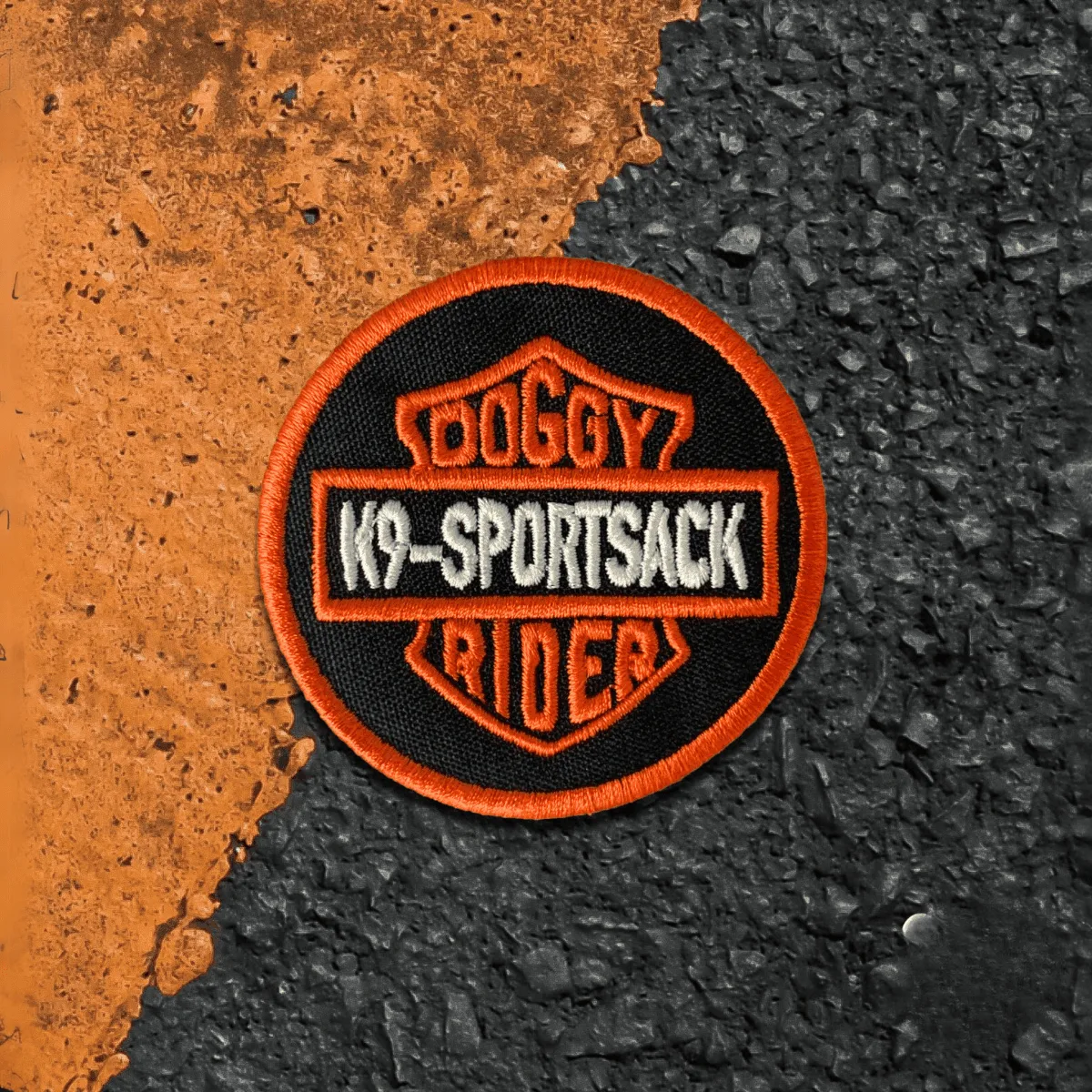
Doggy Rider Patch
- Ergonomic design distributes weight evenly, reducing strain on the wearer.
- Customizable patches let you express your dog's personality.
Modern Trends and the Future of Dog Carriers
Today, the dog carrier industry is more diverse than ever. From high-tech carriers with built-in GPS and climate control to eco-friendly options made from recycled materials, there's a carrier for every lifestyle. The trend toward urban living and increased pet travel has fueled demand for compact, versatile designs that can transition from city streets to mountain trails.
Looking ahead, we can expect further integration of smart technology, such as activity tracking and health monitoring. But one thing remains constant: the bond between humans and dogs. Carriers like the K9 Sport Sack are more than just accessories; they are tools that enable us to include our dogs in every aspect of our lives. As the industry evolves, it will continue to be shaped by the needs and desires of dog owners who see their pets as family.
- Smart features and sustainability are shaping the next generation of carriers.
- The dog carrier industry is responding to the humanization of pets.
The history of dog carriers is a testament to our enduring relationship with dogs. From simple bags to the innovative K9 Sport Sack, each advancement has brought us closer to our canine companions. As you consider your next carrier, remember the long journey that has led to today's ergonomic, customizable, and stylish options. Explore the K9 Sport Sack collection to find the perfect carrier for your adventures, and join the evolution.