Espresso is more than just a coffee drink; it is a cultural icon, a ritual, and a testament to human ingenuity. From its humble beginnings in 19th-century Italy to its current status as a global phenomenon, espresso has shaped the way we think about coffee. Whether you enjoy it as a quick shot at a bustling café or as the base for a creamy latte at home, understanding its history deepens your appreciation for every sip.
In this article, we trace the evolution of espresso, highlighting the inventors, machines, and cultural shifts that transformed a simple brewing method into a worldwide obsession. Along the way, we'll also share tips on how to enjoy authentic espresso today, including recommendations from Colonna Coffee's curated selection of tools and beans.
The Birth of Espresso: 19th Century Italy
The story of espresso begins in the industrial age of Italy. In the late 1800s, coffee was brewed slowly, often taking several minutes. But with the rise of fast-paced urban life, inventors sought ways to speed up the process. The first espresso machine was patented by Angelo Moriondo in Turin in 1884. His steam-driven machine used a combination of steam and boiling water to produce a concentrated coffee in seconds, a radical departure from traditional methods.
Moriondo's invention was a breakthrough, but it was not until 1901 that Luigi Bezzera improved the design. Bezzera added a boiler and a group head, allowing multiple cups to be brewed simultaneously. He also introduced the concept of using pressure to force water through coffee grounds, a key principle of modern espresso. His machine was patented as 'Espresso,' a term derived from the Italian word for 'pressed out' or 'express.'
- Angelo Moriondo's 1884 patent is considered the first espresso machine.
- Luigi Bezzera's 1901 improvements introduced pressure brewing and the term 'espresso.'
The Rise of the Espresso Machine: From Steam to Pumps
The early 20th century saw rapid innovation. In 1938, Achille Gaggia developed a lever-driven espresso machine that used a spring piston to generate high pressure (around 8-10 bars), producing a thick layer of crema—the golden foam that defines a quality espresso. This was a game-changer. Gaggia's machine, the 'Gaggia,' became synonymous with espresso excellence and is still revered by enthusiasts today.
After World War II, espresso exploded in popularity. The 1950s and 1960s saw the introduction of automated pump-driven machines, which replaced manual levers with electric pumps for consistent pressure. This made espresso accessible to cafés worldwide. By the 1970s, espresso had become a staple of Italian coffee culture and began spreading to other countries, especially the United States, where it influenced the rise of specialty coffee.
- Achille Gaggia's lever machine created the first crema-rich espresso.
- Post-war automation made espresso machines easier to use and more reliable.
Espresso Goes Global: The Third Wave and Beyond
The late 20th and early 21st centuries marked the 'Third Wave' of coffee, emphasizing quality, traceability, and artisanal craftsmanship. Espresso became a canvas for experimentation, with baristas exploring single-origin beans, precise temperature control, and advanced grinders. This movement also sparked a home espresso revolution, as enthusiasts invested in high-end equipment to replicate café-quality shots at home.
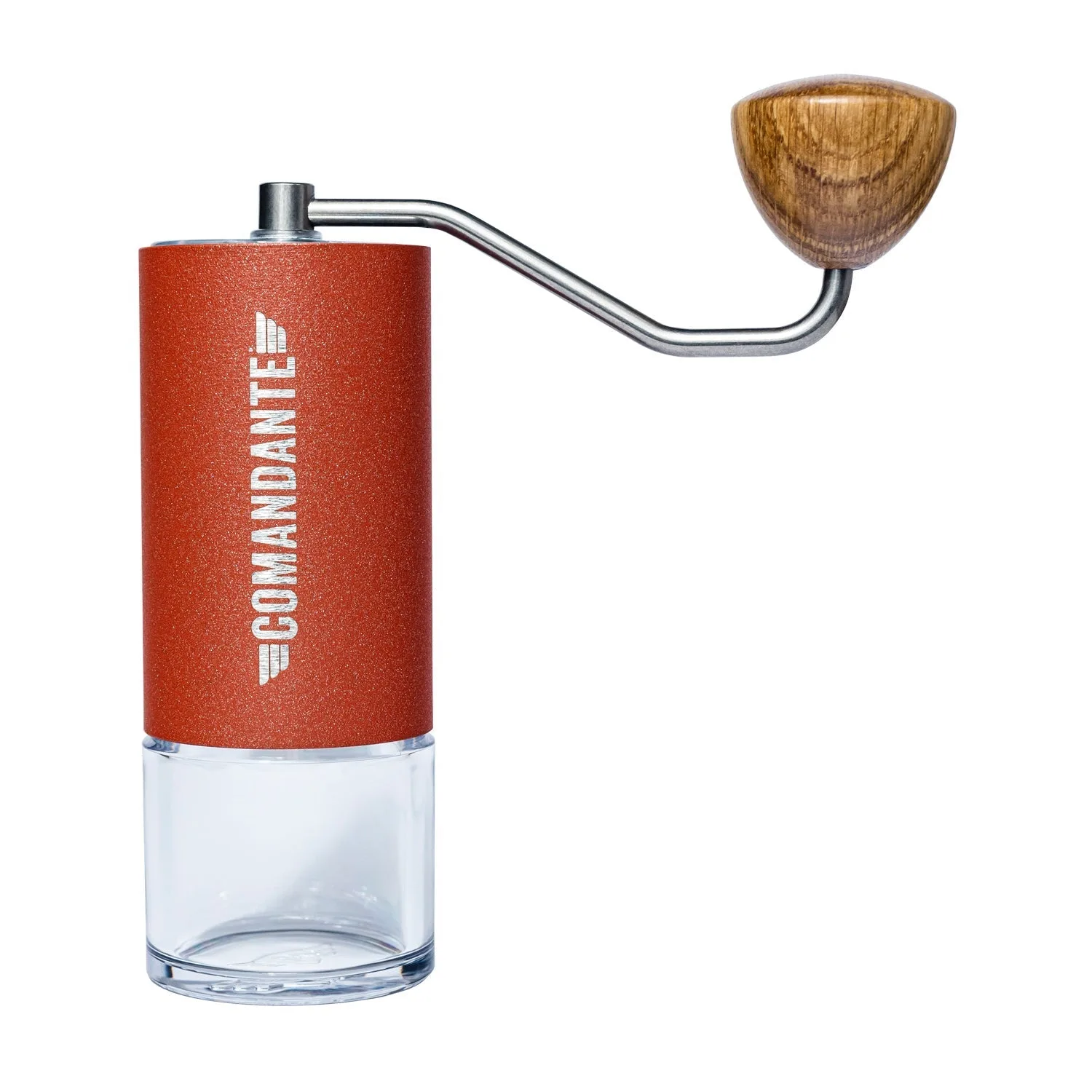
Today, espresso is enjoyed in countless forms—from classic Italian caffè to modern flat whites and cortados. The culture continues to evolve, with innovations like capsule systems offering convenience without sacrificing flavour. For those looking to dive deeper into espresso, tools like the https://beansyai.shop/products/comandante-c40-nitro-blade-coffee-grinder-mk4-133625https://beansyai.shop/products/comandante-c40-nitro-blade-coffee-grinder-mk4-133626https://beansyai.shop/products/comandante-c40-nitro-blade-coffee-grinder-mk4-133627https://beansyai.shop/products/comandante-c40-nitro-blade-coffee-grinder-mk4-133628Comandante C40 Nitro Blade Coffee Grinder MK4 provide the precision needed for consistent grinds, while the Peak Water Starter Pack ensures the perfect water chemistry for extraction.
- The Third Wave movement elevated espresso to an art form.
- Home baristas now have access to professional-grade equipment.
How to Experience Authentic Espresso at Home
Brewing great espresso at home requires attention to detail: fresh beans, a quality grinder, and proper technique. Start with a medium-to-dark roast for balanced flavour. Use a burr grinder to achieve a fine, uniform grind. Tamp evenly and aim for a 1:2 coffee-to-water ratio (e.g., 18g coffee yields 36g espresso) in 25-30 seconds. Water quality matters too—mineral levels affect extraction, so filtered or treated water is ideal.
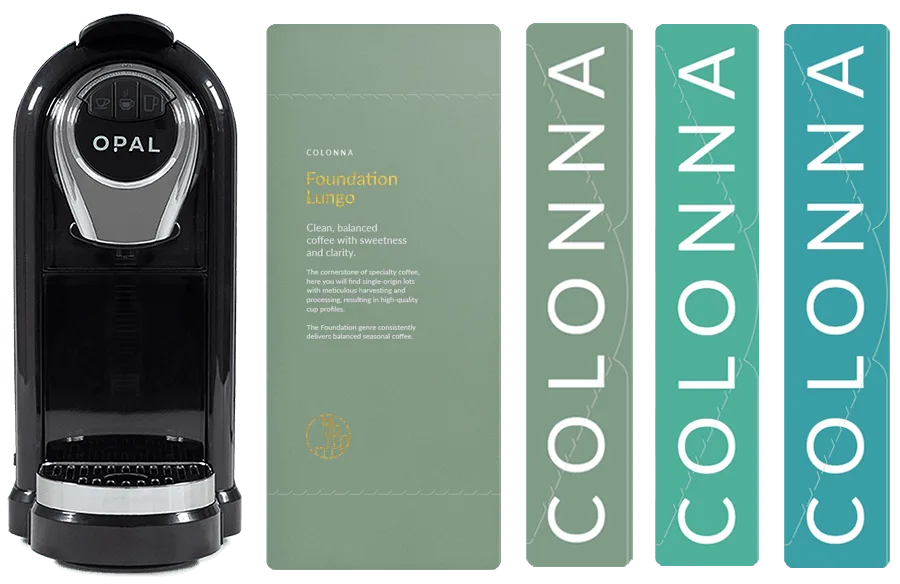
For a complete setup, consider the Foundation Lungo Capsules (With Machine) if you prefer convenience without sacrificing quality. These capsules deliver consistent, rich lungo shots perfect for milk-based drinks or sipping. Alternatively, for the purist, pairing a manual machine with freshly roasted beans and a reliable grinder like the Comandante C40 can unlock endless possibilities.
- Use fresh, well-roasted beans and a burr grinder for best results.
- Water quality is crucial—consider a starter pack like the Peak Water Starter Pack.
From Moriondo's steam-powered prototype to today's precision machines, the history of espresso is a testament to human creativity and passion for coffee. Whether you are a seasoned barista or a curious beginner, exploring this rich heritage can transform your daily cup. Ready to start your espresso journey? Check out the Comandante C40 Nitro Blade Coffee Grinder MK4 for the perfect grind, or browse our full range of espresso tools and beans at Colonna Coffee.