Frozen breakfast foods are a staple in millions of American homes, offering quick, satisfying meals that fit into even the busiest mornings. But how did we get from fresh-cracked eggs and hand-ground sausage to the freezer aisle filled with options like Sausage and Three Cheese Egg Bites or Biscuit & Sausage Gravy Breakfast Bowl? The story of frozen breakfast foods is a tale of innovation, wartime necessity, and the relentless pursuit of convenience.
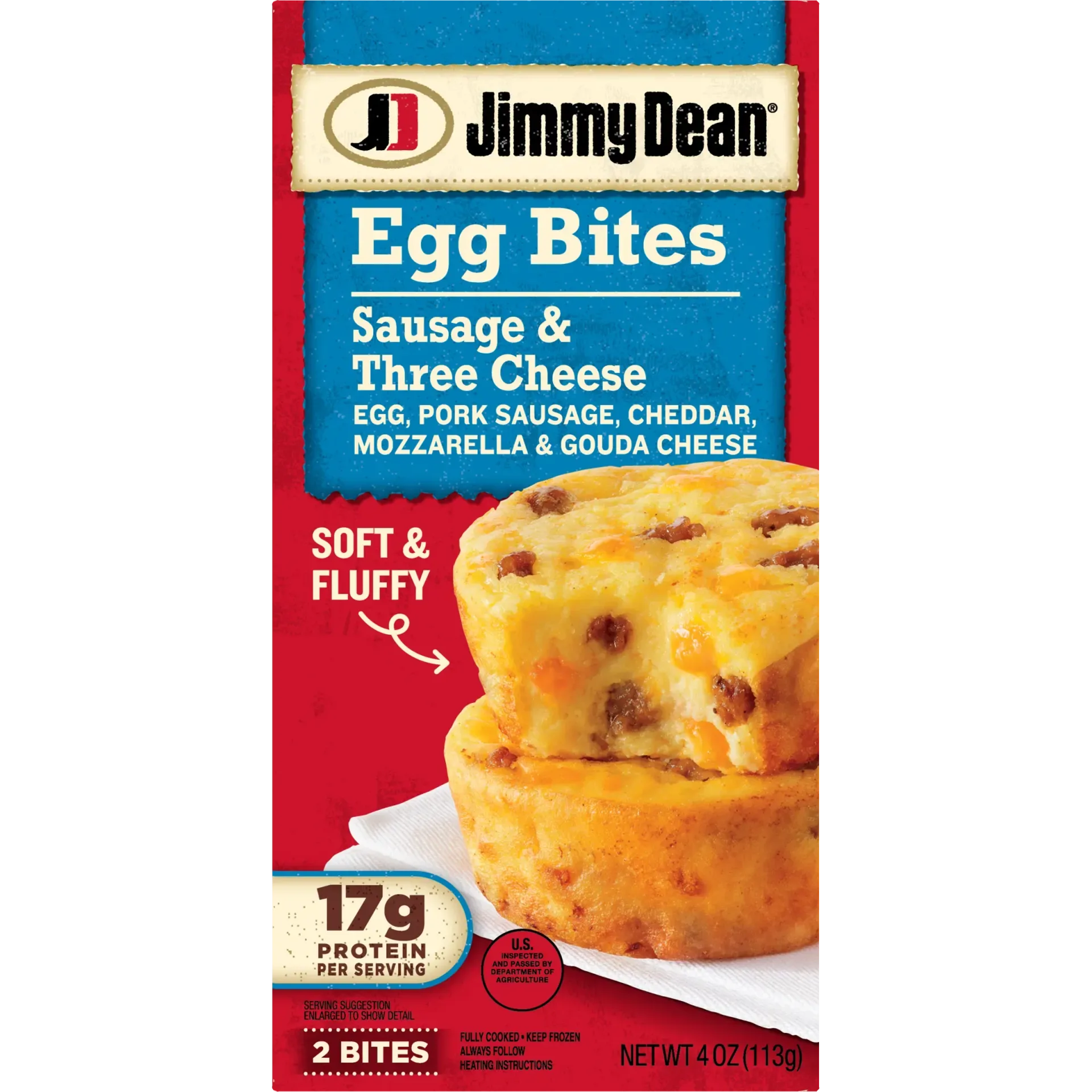
Sausage and Three Cheese Egg Bites
In this article, we'll take a journey through the history of frozen breakfast foods, exploring key milestones, technological breakthroughs, and the cultural shifts that made frozen breakfasts a beloved part of modern life. Whether you're a food history buff or just curious about the origins of your morning meal, you'll discover how frozen food went from a novelty to a necessity.
The Birth of Frozen Food: Clarence Birdseye's Breakthrough
The history of frozen breakfast foods begins with one man: Clarence Birdseye. In the 1920s, Birdseye observed how Inuit people in Labrador preserved fish by freezing it rapidly in Arctic temperatures. He realized that quick freezing prevented the formation of large ice crystals, which ruined texture and flavor. In 1924, he patented the 'Birdseye Quick Freezing' process, a method that used metal plates chilled to -40°F to freeze food in minutes. This innovation laid the foundation for the entire frozen food industry.
Birdseye's first products were frozen fish and vegetables, but it didn't take long for breakfast items to follow. By the 1930s, frozen fruits like strawberries and blueberries became popular for pancakes and waffles. However, it wasn't until after World War II that frozen breakfasts truly took off, thanks to the expansion of home freezers and the rise of supermarket chains.
The 1950s: Frozen Breakfasts Go Mainstream
The post-war economic boom brought refrigerators and freezers into most American kitchens. In 1953, Swanson introduced the first frozen TV dinner, which included turkey, stuffing, and peas. While not a breakfast item, it proved that complete frozen meals were viable. Breakfast-specific frozen foods soon followed, including frozen orange juice concentrate (1945) and frozen waffles (1953).
By the 1960s, frozen breakfast sandwiches began to appear, though they were far from the sophisticated options we have today. Early versions were simple combinations of bread, processed cheese, and pre-cooked meat. It wasn't until the 1980s that microwave ovens became common, drastically reducing reheating time and making frozen breakfasts even more convenient.
- 1953: Swanson's TV dinner paves the way for frozen meals
- 1953: Frozen waffles hit supermarket shelves
- 1980s: Microwave ovens revolutionize frozen food reheating
The Rise of Breakfast Sandwiches and Bowls
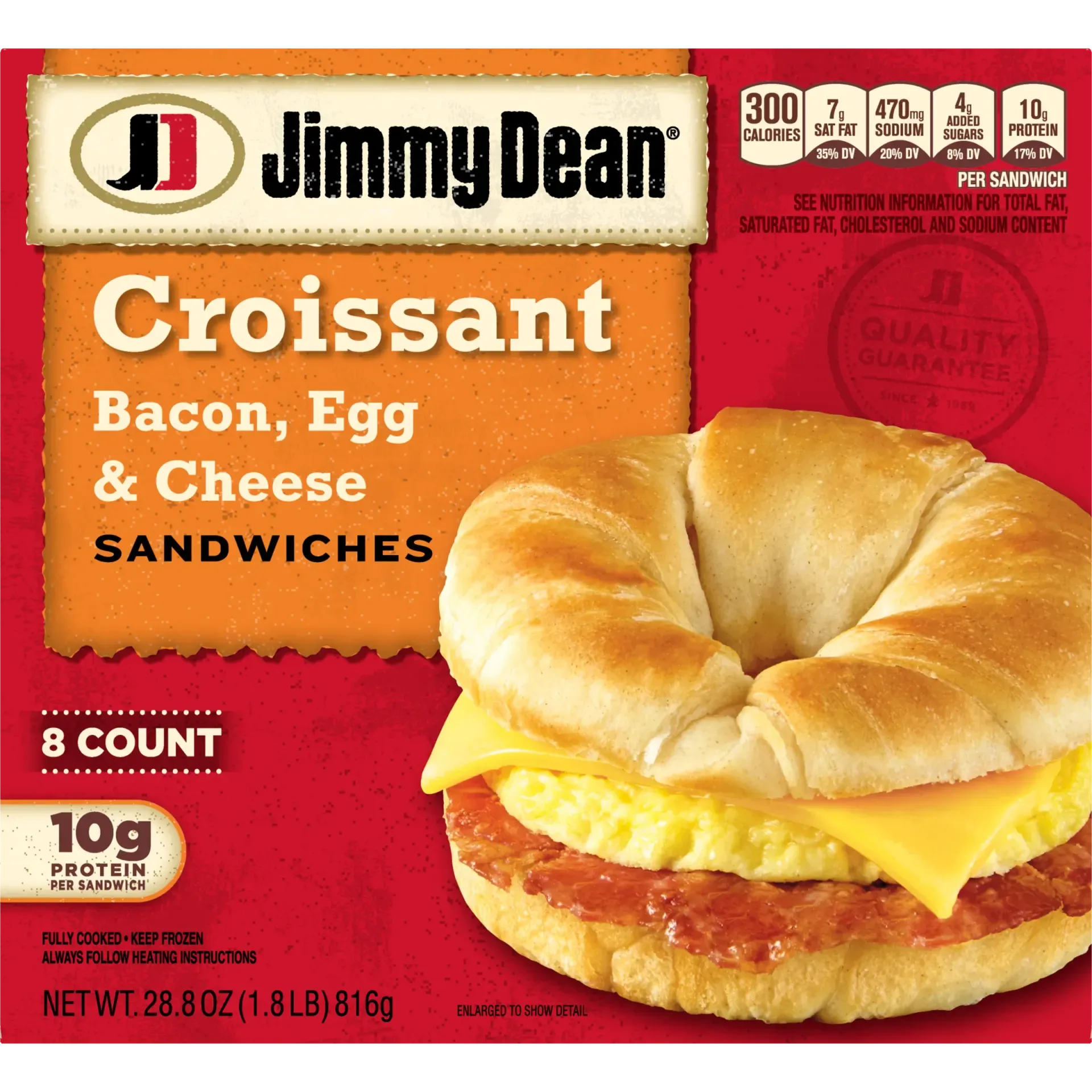
The 1990s and 2000s saw an explosion of frozen breakfast products designed to mimic fast-food favorites. Brands like Jimmy Dean introduced frozen breakfast sandwiches with flaky biscuits, fluffy eggs, and savory sausage. The Sausage, Egg and Cheese Blueberry Griddle Cake Sandwiches combined sweet and savory in a portable format, while the Heat 'n Serve Original Sausage Patties allowed home cooks to add protein to any breakfast plate.
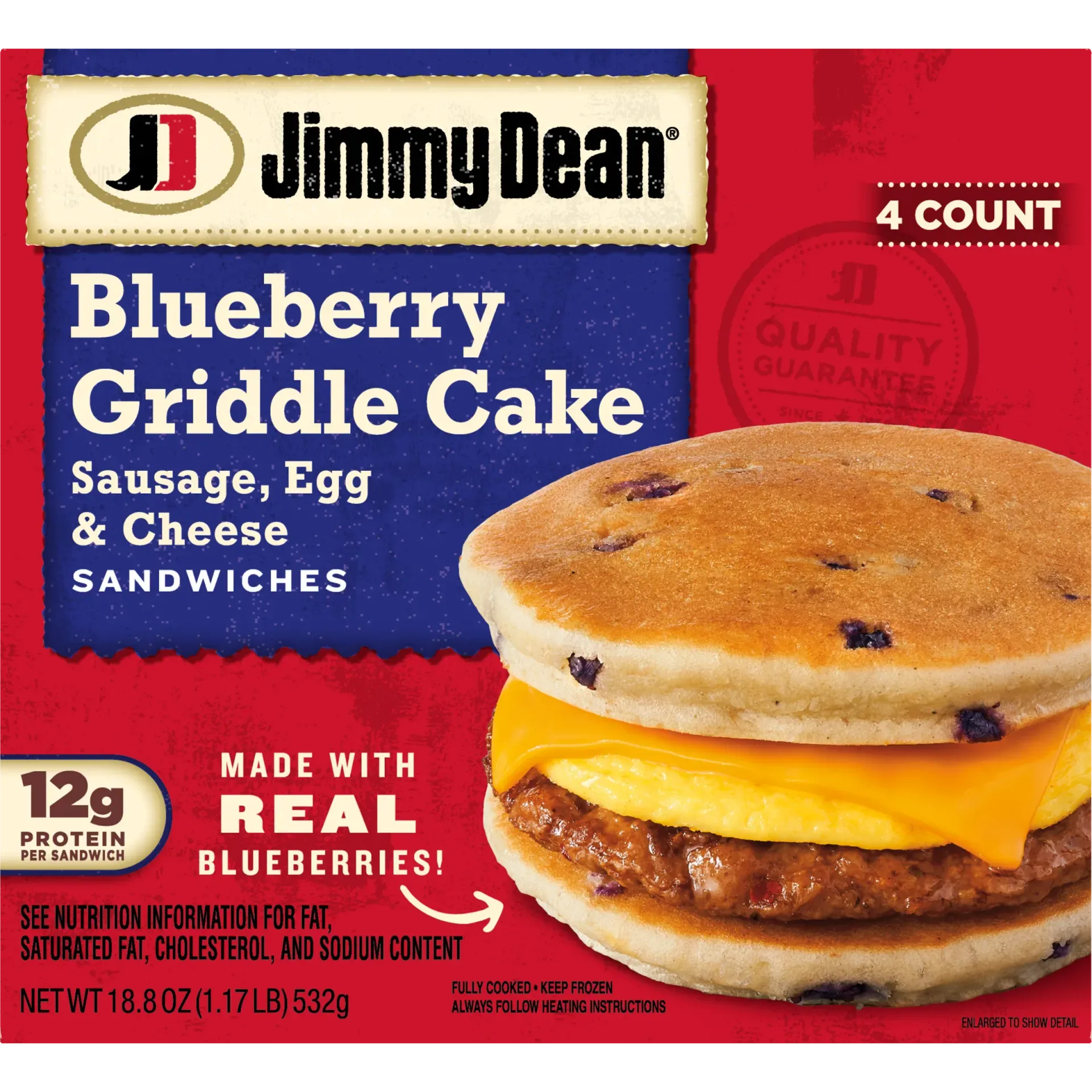
Sausage, Egg and Cheese Blueberry Griddle Cake Sandwiches
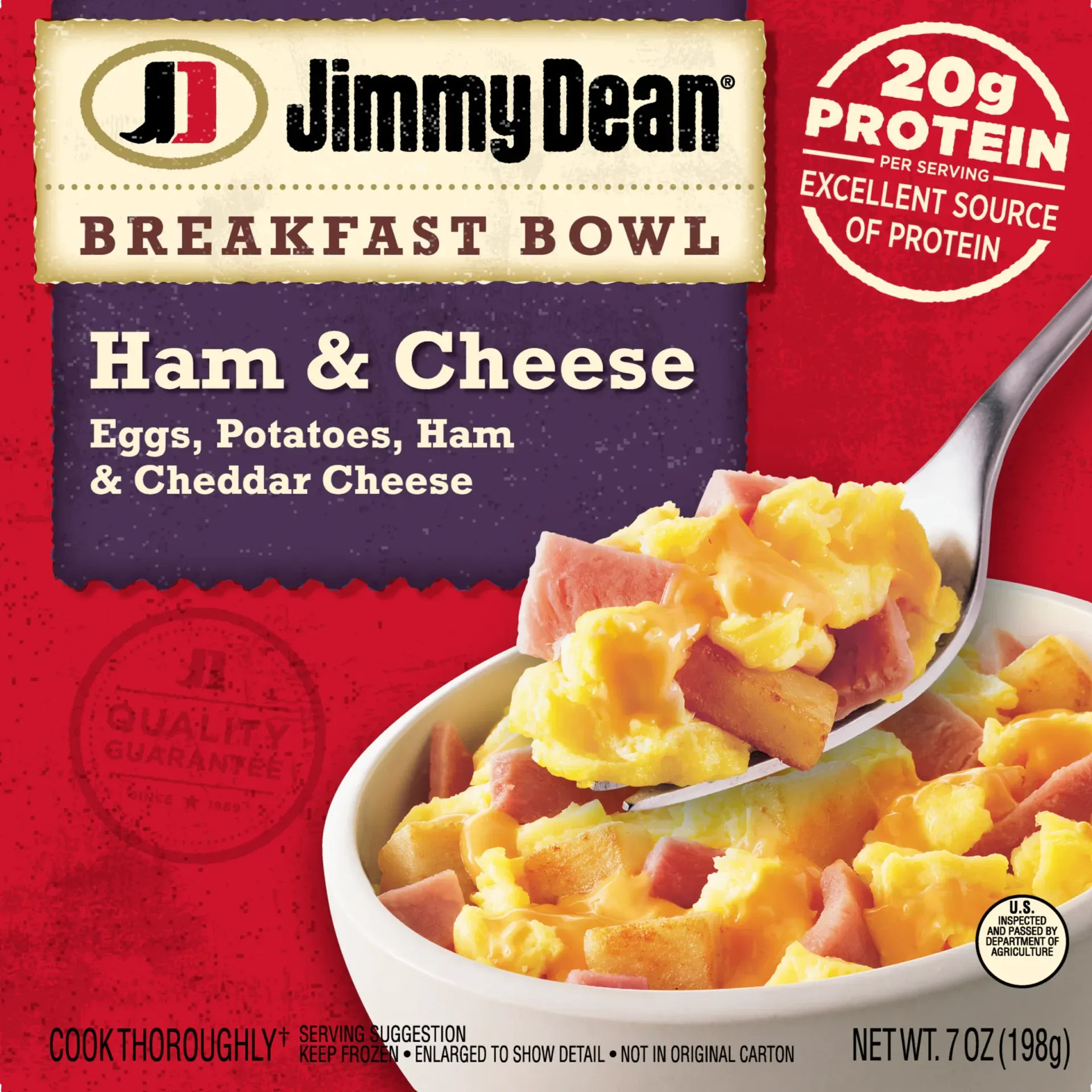
Breakfast bowls also gained popularity, offering a hearty, spoonable meal that could be microwaved in minutes. The Biscuit & Sausage Gravy Breakfast Bowl became a comfort-food classic, while the Sausage & Gravy Breakfast Bowl provided a simpler option. These products reflected a growing demand for protein-packed, satisfying breakfasts that required zero prep work.
Modern Innovations: Health, Convenience, and Variety
Today's frozen breakfast aisle is a testament to decades of innovation. Consumers can find gluten-free options, plant-based sausages, and organic ingredients. Products like the Simple Scrambles Ham and Cheddar Cheese offer a customizable approach, allowing people to add fresh eggs or milk. The Original Pancakes & Sausage On a Stick! remains a nostalgic favorite for kids and adults alike.
The focus on protein has never been stronger. Many frozen breakfast items now boast 15-20 grams of protein per serving, helping people stay full until lunch. The All Natural* Regular Premium Pork Sausage is a great example of how traditional ingredients are being reimagined for modern diets. Meanwhile, the Hickory Smoked Premium Bacon brings restaurant-quality taste to the home kitchen.
- Look for products with at least 10 grams of protein per serving
- Check for whole grains and real cheese for better nutrition
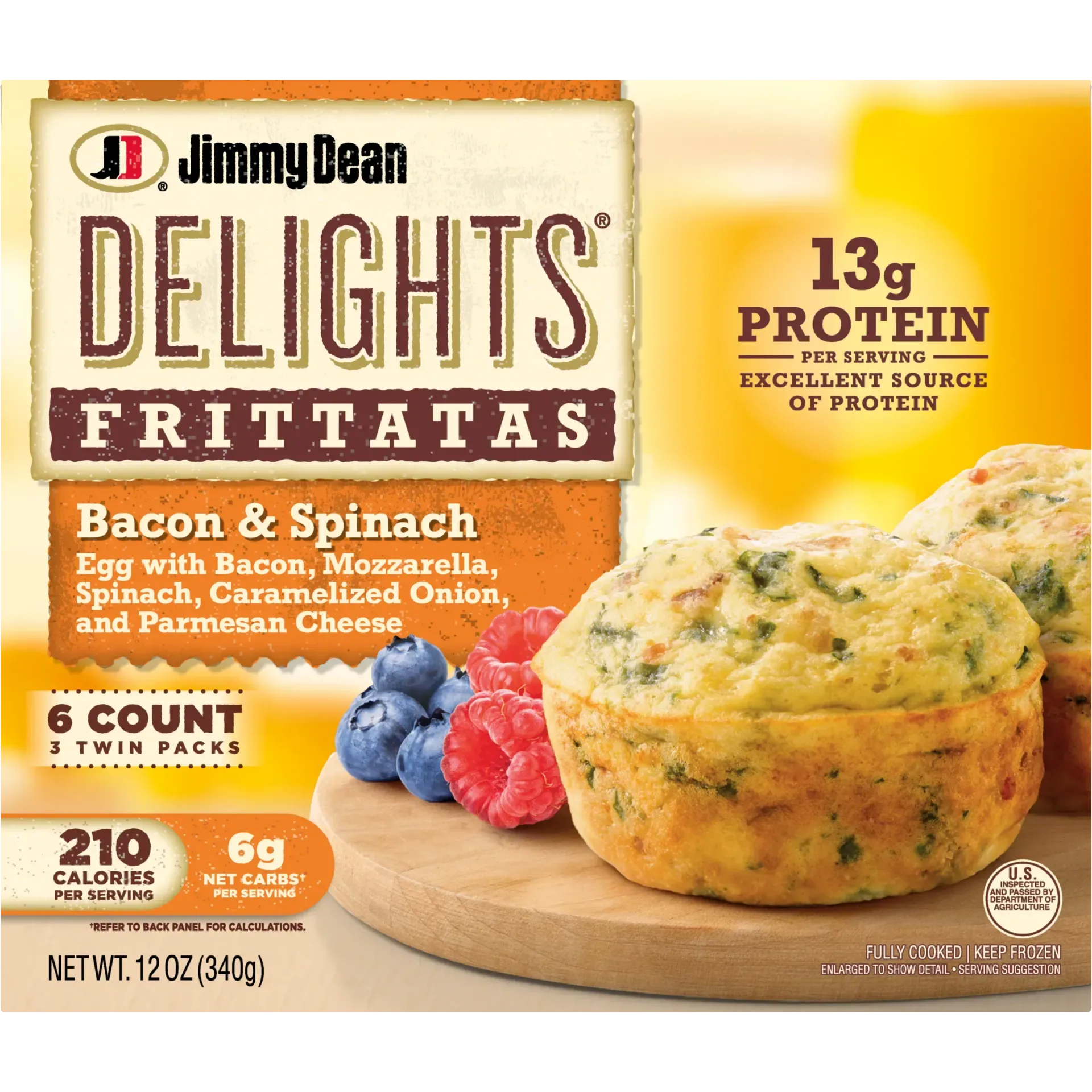
- Consider portion-controlled options like egg bites for easy meal prep
From Clarence Birdseye's quick-freezing experiments to today's protein-packed breakfast bowls, the history of frozen breakfast foods is a story of ingenuity and convenience. Whether you're grabbing a Sausage and Three Cheese Egg Bites on your way out the door or sitting down to a Biscuit & Sausage Gravy Breakfast Bowl, you're enjoying the result of nearly a century of food innovation. Explore the full range of frozen breakfast options at Jimmy Dean and discover how easy it is to start your morning with a delicious, convenient meal.