Meal replacement shakes have become a staple for busy professionals, fitness enthusiasts, and anyone seeking convenient nutrition. But the concept of a complete, portable meal is far from new. Long before modern shakes hit store shelves, humans experimented with concentrated rations, powdered nutrients, and even space food to solve the age-old challenge of eating well on the go.
This article traces the remarkable journey of meal replacement—from ancient military provisions to NASA’s space-age innovations, and finally to today’s scientifically formulated products like Soylent. Understanding this history reveals how far we’ve come and why modern shakes represent a true evolution in nutrition.
Ancient Beginnings: The First Portable Meals
Long before the term 'meal replacement' existed, ancient civilizations developed portable, nutrient-dense foods for soldiers and travelers. The Roman army relied on 'bucellatum,' a hard biscuit made from wheat flour that could be stored for months. Similarly, Mongol warriors carried dried meat and milk curds, creating a high-protein ration that fueled their vast campaigns.
These early solutions were purely practical—designed to prevent starvation and maintain energy during long journeys. They lacked balanced nutrition but laid the groundwork for the idea that food could be concentrated, preserved, and consumed away from a traditional kitchen. The core principle of meal replacement—efficient sustenance—was already in play.
- Roman bucellatum: hard wheat biscuits with long shelf life.
- Mongol borts: dried meat and milk curds, high in protein and fat.
- These early rations prioritized calories and portability over nutritional balance.
The 20th Century: Science Meets Sustenance
The 20th century brought dramatic advances in food science. During World War II, the U.S. military developed K-rations—compact meal kits containing canned meat, crackers, and chocolate bars. These were designed to provide 3,000 calories per day and meet basic nutritional needs for soldiers in combat. While not perfect, they represented the first systematic attempt to engineer a complete field ration.
Post-war, the rise of processed foods and nutritional science led to products like Metrecal (1959), a powdered diet drink that promised weight loss through portion control. Metrecal is often considered the first commercial meal replacement shake. It sparked a cultural shift, proving that liquid meals could be both convenient and effective for health goals.
- K-rations: WWII-era complete meal kits for soldiers.
- Metrecal (1959): the first mass-market diet shake, sold as powder and liquid.
- These products demonstrated that science could create nutritionally complete, shelf-stable meals.
Space Food: The Ultimate Meal Replacement
Perhaps the most iconic chapter in meal replacement history is NASA’s development of space food. In the 1960s, astronauts needed compact, lightweight, and nutritionally complete meals that could withstand zero gravity. Early efforts included freeze-dried powders and semi-liquids packed into tubes—think of the famous 'space food sticks' and 'space ice cream.'
NASA’s research focused on bioavailability, shelf stability, and balanced macronutrients. They pioneered techniques like freeze-drying and nitrogen packaging that later influenced commercial meal replacements. The idea that a single pouch or shake could deliver all essential nutrients for a meal became a tangible reality, inspiring future innovators.
- Freeze-dried powders and tube foods for Apollo missions.
- Focus on complete nutrition: proteins, carbs, fats, vitamins, and minerals.
- NASA’s work directly influenced the design of modern meal shakes.
The Modern Era: Soylent and the Science of Complete Nutrition
The modern meal replacement revolution gained momentum in the 2010s with the launch of Soylent. Founded by Rob Rhinehart, Soylent aimed to create a nutritionally complete, affordable, and convenient food that could replace traditional meals. The original formula was a powder designed to provide all essential nutrients, inspired by the efficiency of space food and the precision of clinical nutrition.
Today, Soylent offers a range of products, including ready-to-drink shakes and powders in flavors like vanilla, strawberry, and banana split. The brand emphasizes 'real science, real nutrition, real food,' using complete proteins and carefully balanced macronutrients. For those seeking variety, the Soylent complete meal banana split variety pack offers a delicious way to enjoy complete nutrition without compromise.
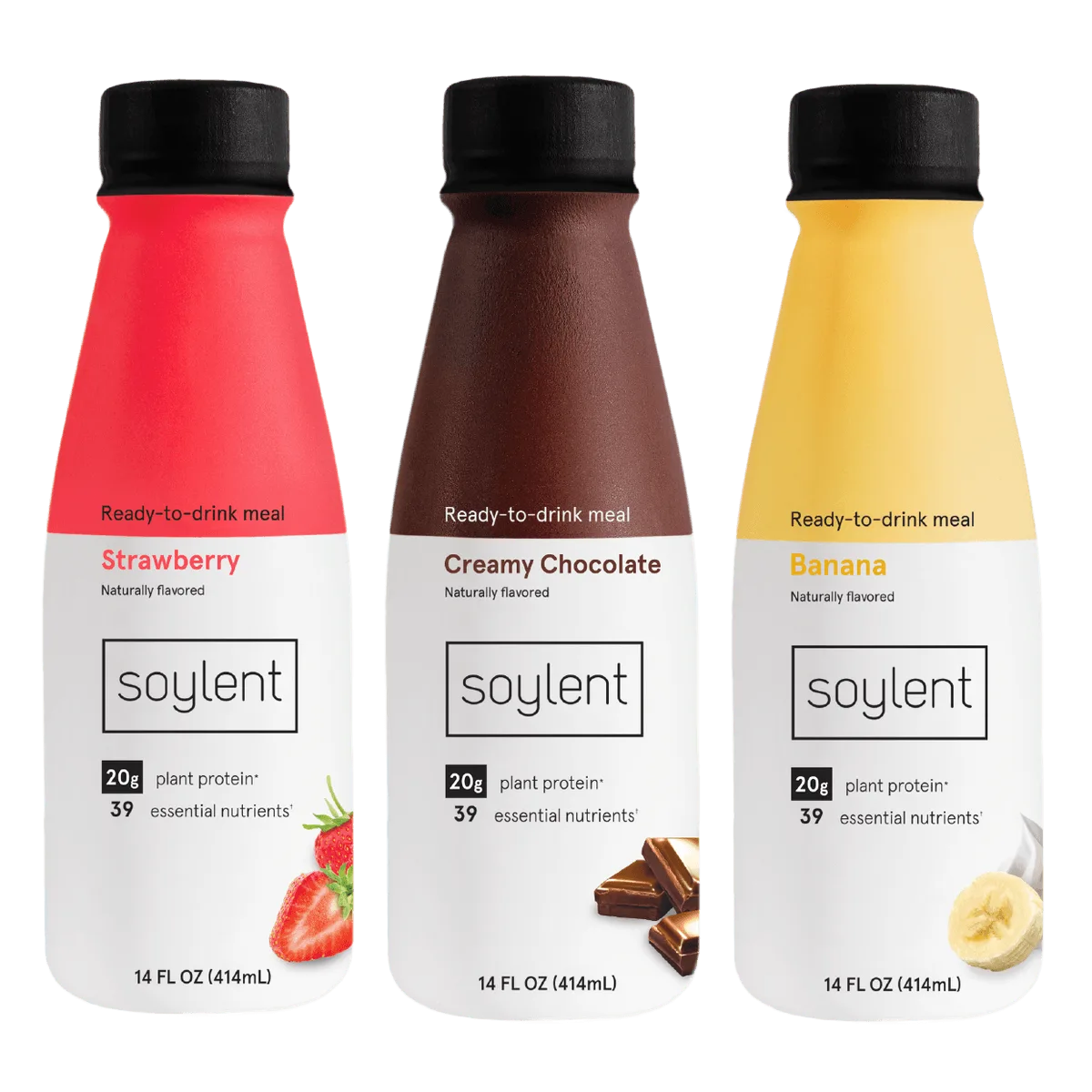
Soylent complete meal banana split variety pack
The evolution from ancient rations to modern shakes reflects a growing understanding of human nutrition. Today’s products are not just about convenience—they are about optimizing health, supporting active lifestyles, and reducing food waste. Soylent’s commitment to science-backed formulation ensures that every shake delivers exactly what your body needs.
- Soylent launched in 2013 as a complete meal powder.
- Products include ready-to-drink shakes in multiple flavors.
- Modern meal replacements are backed by nutritional science and rigorous testing.
What the Future Holds for Meal Replacement
As technology advances, meal replacement is poised to become even more personalized. Wearable devices and AI could tailor nutrient profiles to individual needs, while sustainable packaging and plant-based ingredients reduce environmental impact. The line between food and supplement continues to blur, with meal shakes becoming an accepted part of mainstream diets.
The history of meal replacement shows that our quest for efficient, complete nutrition is timeless. From Roman biscuits to space tubes to modern shakes, each era has built on the last. Today, products like Soylent represent the culmination of centuries of innovation—offering a practical solution for anyone who values time, health, and sustainability.
- Personalized nutrition based on DNA and activity levels.
- Plant-based and eco-friendly formulations gaining popularity.
- Meal replacement is here to stay as a legitimate food category.
The journey from ancient rations to modern meal shakes is a testament to human ingenuity and our relentless pursuit of better nutrition. Today, you can enjoy the benefits of this evolution with products like the Soylent complete meal vanilla, which delivers balanced, science-backed nutrition in every sip. Explore the complete lineup and discover how convenient, delicious, and effective meal replacement can be.