Non-alcoholic beer might feel like a modern innovation, but its roots stretch back thousands of years. Long before the craft beer revolution and the rise of 0.0% alcohol-free options, ancient civilizations were brewing low-alcohol beverages for daily hydration and ritual. Today, the history of non-alcoholic beer is a story of necessity, innovation, and changing social attitudes.
From medieval small beer to 20th-century dealcoholization techniques, the evolution of alcohol-free beer reflects broader shifts in technology, health awareness, and taste. Understanding this history helps us appreciate the sophisticated brewing methods behind modern 0.0 beer and why brands like Days Brewing Co are leading the charge in crafting flavorful, alcohol-free alternatives.
Ancient Origins: The First Low-Alcohol Brews
The earliest beers were likely low in alcohol by modern standards. Ancient Sumerians, Egyptians, and Mesopotamians brewed beer from fermented grains, but the wild yeast strains and short fermentation periods often produced beverages with only 1-2% ABV. These 'small beers' were safer than water and provided calories without significant intoxication. In many cultures, children and adults alike consumed these low-alcohol brews daily.
The concept of intentionally removing alcohol or brewing without fermentation emerged much later. However, the ancient practice of drinking low-alcohol beer set the stage for today's non-alcoholic beer. It shows that humans have long valued beer for its flavor and nutrition, not just its intoxicating effects. This historical context makes modern alcohol-free beer feel like a return to roots rather than a radical departure.
Prohibition and the Rise of 'Near Beer'
The modern history of non-alcoholic beer took a dramatic turn during Prohibition in the United States (1920-1933). With the production and sale of alcoholic beverages banned, breweries scrambled to survive. Many turned to brewing 'near beer'—a low-alcohol beverage with less than 0.5% ABV. This was often produced by brewing full-strength beer and then removing the alcohol through heating, a process that left the beer with a cooked, unpleasant flavor.
Despite its poor taste, near beer kept many breweries afloat. Brands like Anheuser-Busch and Miller produced these alcohol-free brews, and the term 'cereal beverage' was used to avoid legal issues. The Prohibition era cemented the idea that non-alcoholic beer was a compromise, not a choice. It would take decades for technology and consumer demand to transform that perception.
- Prohibition forced US breweries to innovate with low-alcohol alternatives, but early methods often ruined flavor.
- The term 'near beer' became synonymous with bland, unsatisfying brews—a reputation that alcohol-free beer is still overcoming today.
Mid-20th Century: Vacuum Distillation and Improved Taste
After Prohibition, interest in non-alcoholic beer waned until the 1970s and 1980s, when health consciousness began to rise. Brewers in Europe, particularly in Germany and Switzerland, developed vacuum distillation—a method that removes alcohol at low temperatures, preserving more of the beer's original flavor. This was a game-changer for the history of non-alcoholic beer.
Brands like Clausthaler (launched in 1979) and Bitburger Drive popularized these improved brews. The new process allowed for a crisper, more authentic taste, though it still fell short of full-strength beer. Meanwhile, in the UK, low-alcohol lagers began appearing in pubs, often marketed as 'alcohol-free' even though they contained up to 0.5% ABV. This era laid the groundwork for the premium alcohol-free beer we enjoy today.
The 21st Century: Craft Revolution and 0.0% Innovation
The craft beer boom of the 2000s didn't ignore non-alcoholic beer. Small breweries began experimenting with new techniques like arrested fermentation (stopping fermentation before alcohol forms) and reverse osmosis (filtering out alcohol molecules). These methods produced alcohol-free beers with hop character, body, and aroma that rivaled traditional brews.
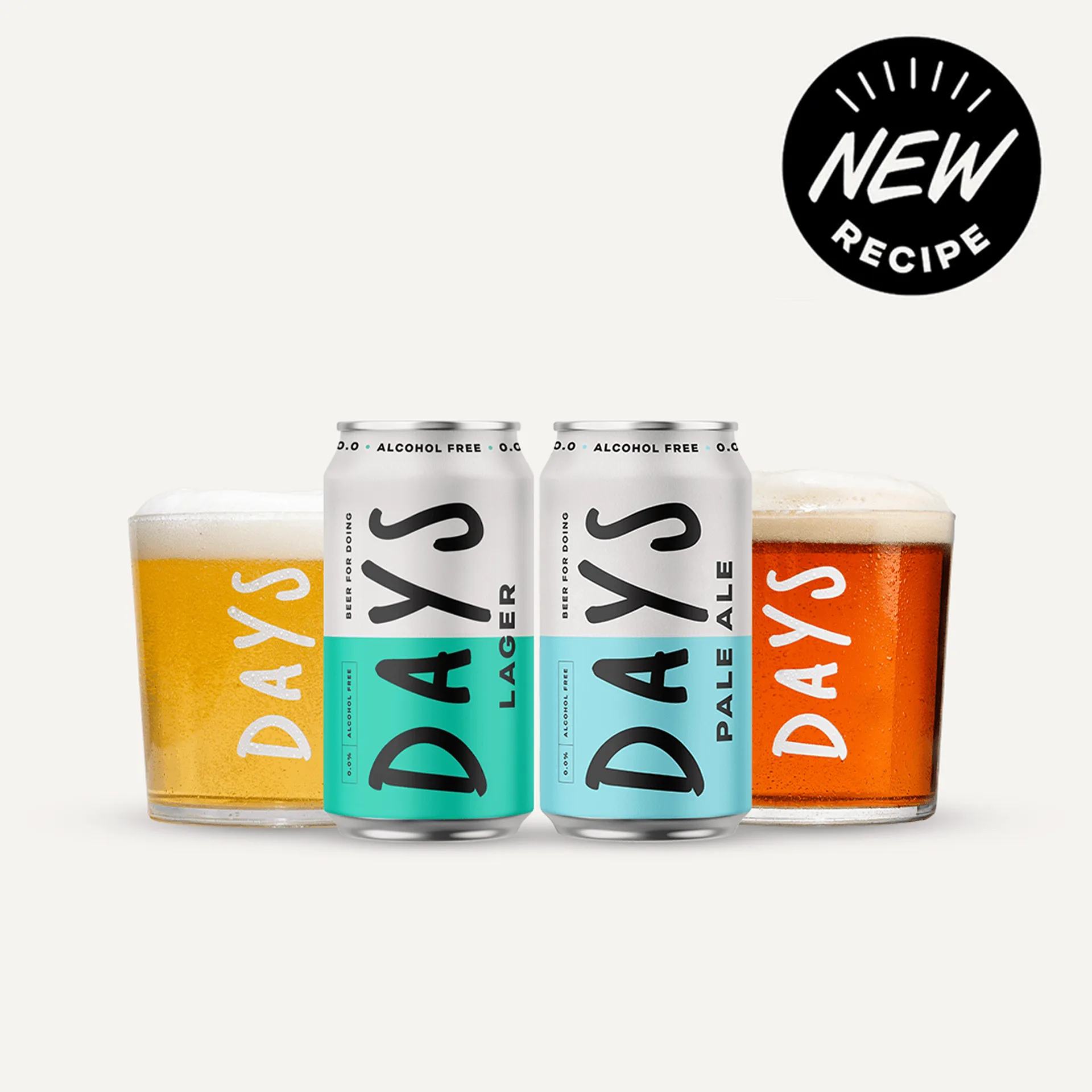
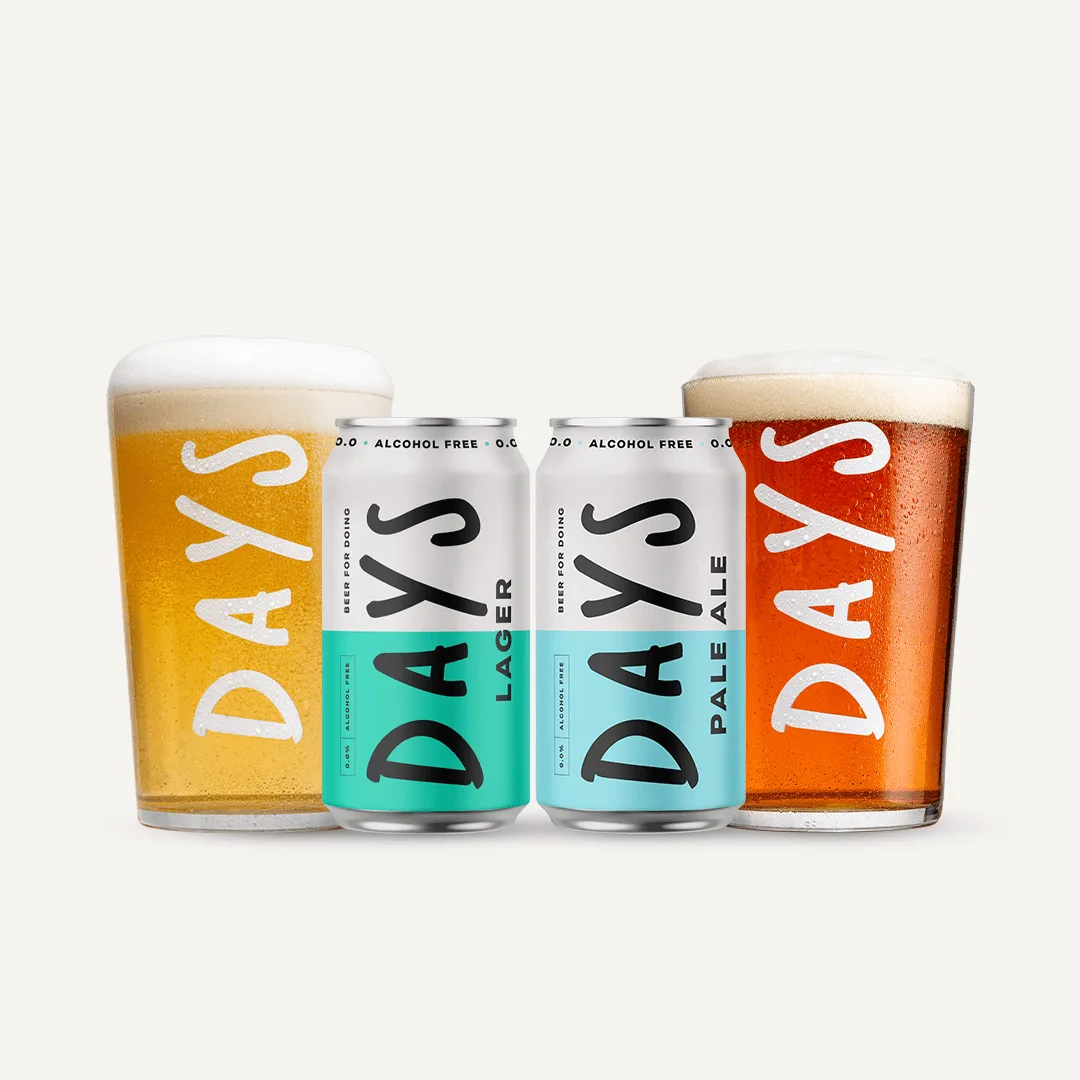
Today, brands like Days Brewing Co are at the forefront of this movement. Their range, including the popular DAYS LAGER and DAYS PEACH LAGER, showcases how far the category has come. These 0.0% alcohol-free beers are brewed with real ingredients and modern methods, offering a genuine beer experience without any alcohol. The evolution from ancient small beer to craft 0.0% is a testament to human ingenuity and changing priorities.
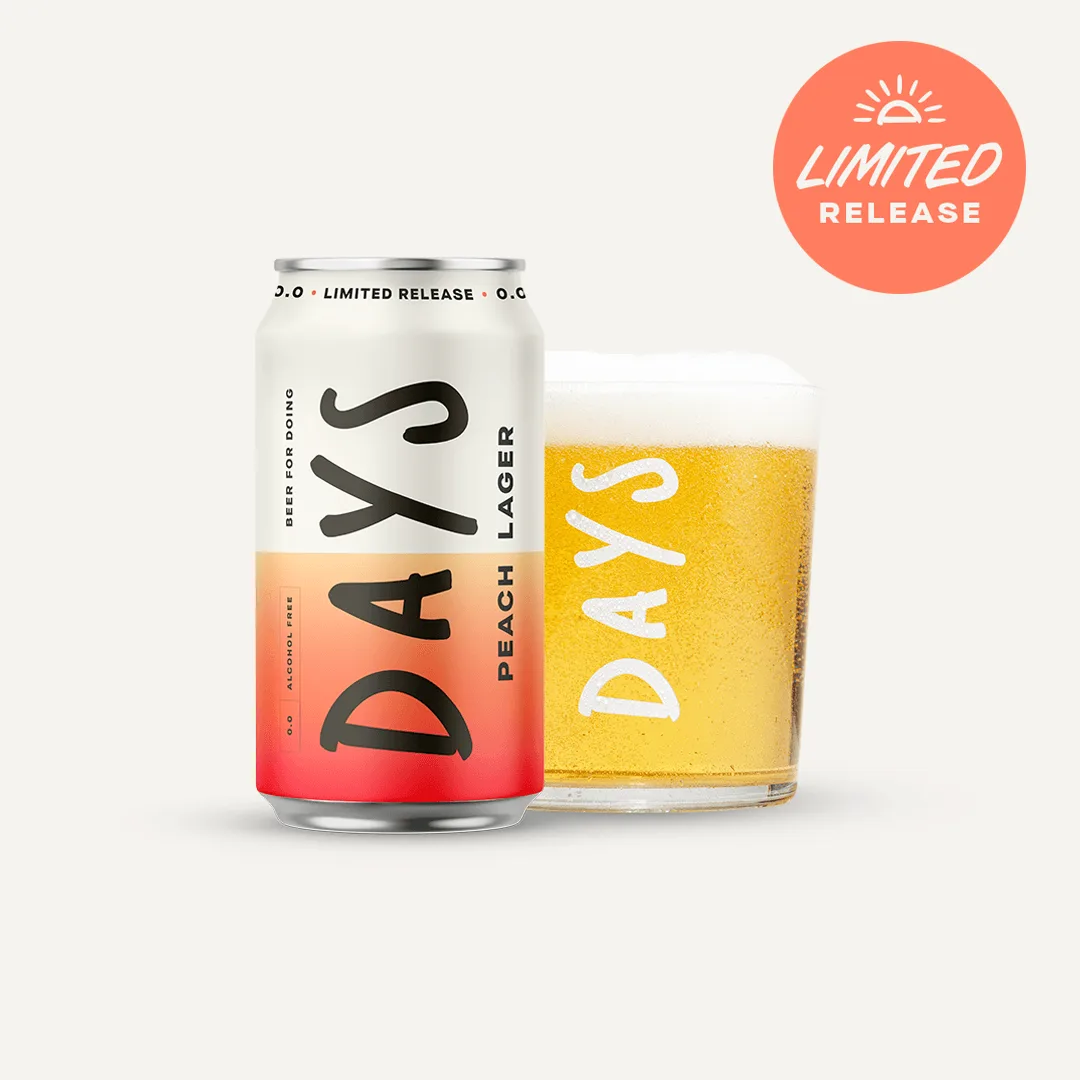
DAYS PEACH LAGER
- Arrested fermentation and reverse osmosis are key modern techniques for producing flavorful 0.0% beer.
- The craft non-alcoholic beer market has grown over 30% annually since 2020, driven by health and wellness trends.
Why the History Matters for Today's Drinkers
Understanding the history of non-alcoholic beer helps us appreciate the quality of today's offerings. It also explains why many older consumers still associate alcohol-free beer with bland 'near beer' from Prohibition. But modern brewing has shattered that stereotype. Brands like Days Brewing Co are creating alcohol-free beers that are not just substitutes but genuinely enjoyable beverages.
Whether you're exploring for health reasons, curiosity, or a desire to reduce alcohol intake, today's 0.0% beers offer variety and taste that ancient brewers could only dream of. The journey from fermented grain water to crisp, hoppy lagers and fruity infusions is a remarkable one—and it's still evolving.
The history of non-alcoholic beer is a story of resilience and innovation. From ancient small beer to modern 0.0% craft brews, each era has contributed to the delicious alcohol-free options we enjoy today. If you're curious to taste this evolution, explore the range from Days Brewing Co and discover how far alcohol-free beer has come.