Coffee is more than just a morning ritual; it is a global phenomenon with a history as rich and complex as its flavor. From the ancient coffee forests of Ethiopia to the bustling specialty coffee shops of today, the journey of the coffee bean has been shaped by centuries of trade, innovation, and cultural exchange. Understanding the history of specialty coffee not only deepens your appreciation for every sip but also connects you to a worldwide community of growers, roasters, and brewers dedicated to quality and sustainability.
In this article, we trace the evolution of coffee from its legendary discovery to the modern third wave movement that celebrates single origin beans, microlots, and artisanal roasting. Whether you are a seasoned coffee lover or new to the world of specialty coffee, this journey through time will illuminate how we arrived at the exquisite cups we enjoy today.
The Legendary Origins of Coffee in Ethiopia
The story of coffee begins in the highlands of Ethiopia, where, according to popular legend, a goat herder named Kaldi noticed his goats dancing energetically after eating red berries from a certain shrub. Curious, Kaldi tried the berries himself and felt a similar invigoration. He shared his discovery with a local monk, who used the berries to create a drink that kept him awake during long hours of prayer. This tale, while unverified, captures the essence of coffee's earliest known use: a natural stimulant and a source of communal gathering.
From these humble beginnings, coffee cultivation spread across the Ethiopian plateau and into the Arabian Peninsula. By the 15th century, coffee was being grown in Yemen, where Sufi monks used it to stay alert during nighttime devotions. The port of Mocha became a bustling hub for coffee trade, and the beans were soon prized throughout the Islamic world. This era marked the birth of coffee as a global commodity, setting the stage for centuries of transformation.
The Spread of Coffee Across the Globe
Coffee's journey from the Middle East to Europe, Asia, and the Americas is a story of trade, colonization, and adaptation. In the 17th century, coffeehouses sprang up in cities like Venice, London, and Paris, becoming centers of intellectual exchange and commerce. These early coffeehouses were nicknamed 'penny universities' because for the price of a cup, one could engage in lively debate and access news. Coffee quickly became a symbol of sophistication and modernity.
European colonial powers established coffee plantations in tropical regions around the world, including Java (Indonesia), the Caribbean, and Central and South America. This expansion dramatically increased coffee production but also introduced complex social and economic dynamics, including the use of enslaved labor. Despite these challenges, coffee drinking became deeply embedded in cultures worldwide, from the Italian espresso bar to the American diner. The 20th century saw the rise of mass-market coffee, with brands like Folgers and Maxwell House dominating the industry, often at the expense of flavor and quality.
- The first coffeehouse in England opened in Oxford in 1650.
- By the 18th century, coffee had become a major cash crop in Brazil, now the world's largest coffee producer.
- Instant coffee was invented in 1901 by Japanese-American chemist Satori Kato.
The Birth of Specialty Coffee: The First and Second Waves
The term 'specialty coffee' was first coined in 1974 by Erna Knutsen, a Norwegian coffee trader, to describe beans grown in unique microclimates that produced distinctive flavors. This marked the beginning of the 'first wave' of coffee culture, which focused on accessibility and convenience. The first wave brought coffee into every home through vacuum-packed cans and instant mixes, but quality often took a backseat to mass production.
The 'second wave' emerged in the 1960s and 1970s, led by companies like Starbucks and Peet's Coffee & Tea. This era emphasized the coffeehouse experience, darker roasts, and the introduction of espresso-based drinks like lattes and cappuccinos. Coffee became a lifestyle accessory, and consumers began to care more about origin and roast date. However, it was the 'third wave' that truly revolutionized the industry by treating coffee as an artisanal product, akin to wine or craft beer.
The Third Wave: The Modern Specialty Coffee Movement
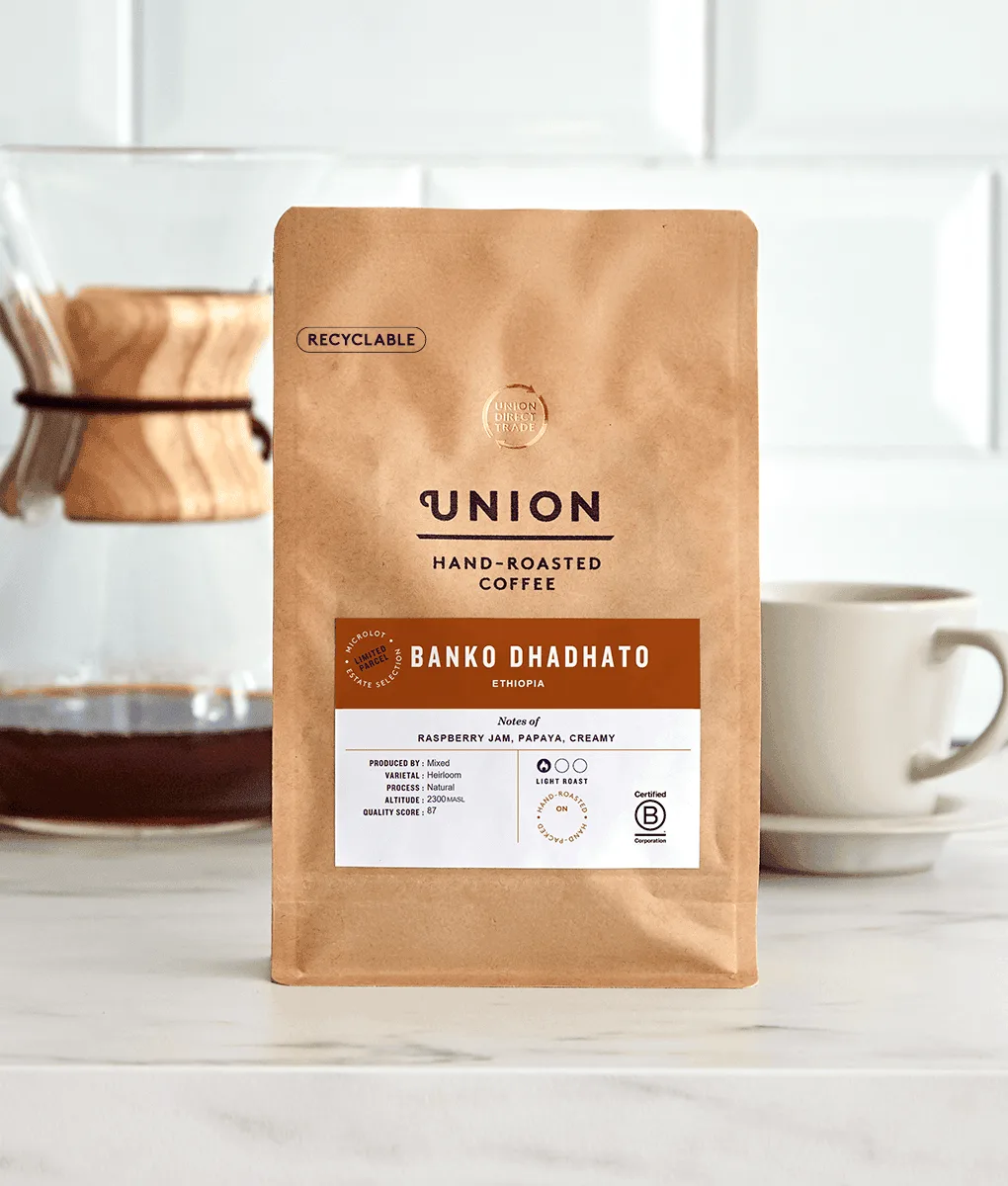
The third wave of coffee, which gained momentum in the early 2000s, is defined by a deep respect for the entire supply chain—from seed to cup. Roasters and baristas began sourcing single origin beans from specific farms, highlighting unique flavor profiles and terroir. Microlots, like the Banko Dhadhato from Ethiopia, became highly sought after for their distinctive floral and fruity notes. Consumers now seek out beans with traceable origins, ethical farming practices, and fresh roasting dates.
This movement also brought innovations in brewing methods, from pour-over to cold brew, and a renewed focus on equipment precision. The Yirgacheffe from Ethiopia, for example, is celebrated for its bright acidity and complex flavors, making it a favorite among third wave enthusiasts. Today, specialty coffee represents a small but influential segment of the global coffee market, driven by a community of passionate growers, roasters, and drinkers who prioritize quality and sustainability over volume.
- Third wave coffee emphasizes light to medium roasts to preserve origin characteristics.
- Direct trade relationships between roasters and farmers are a hallmark of this movement.
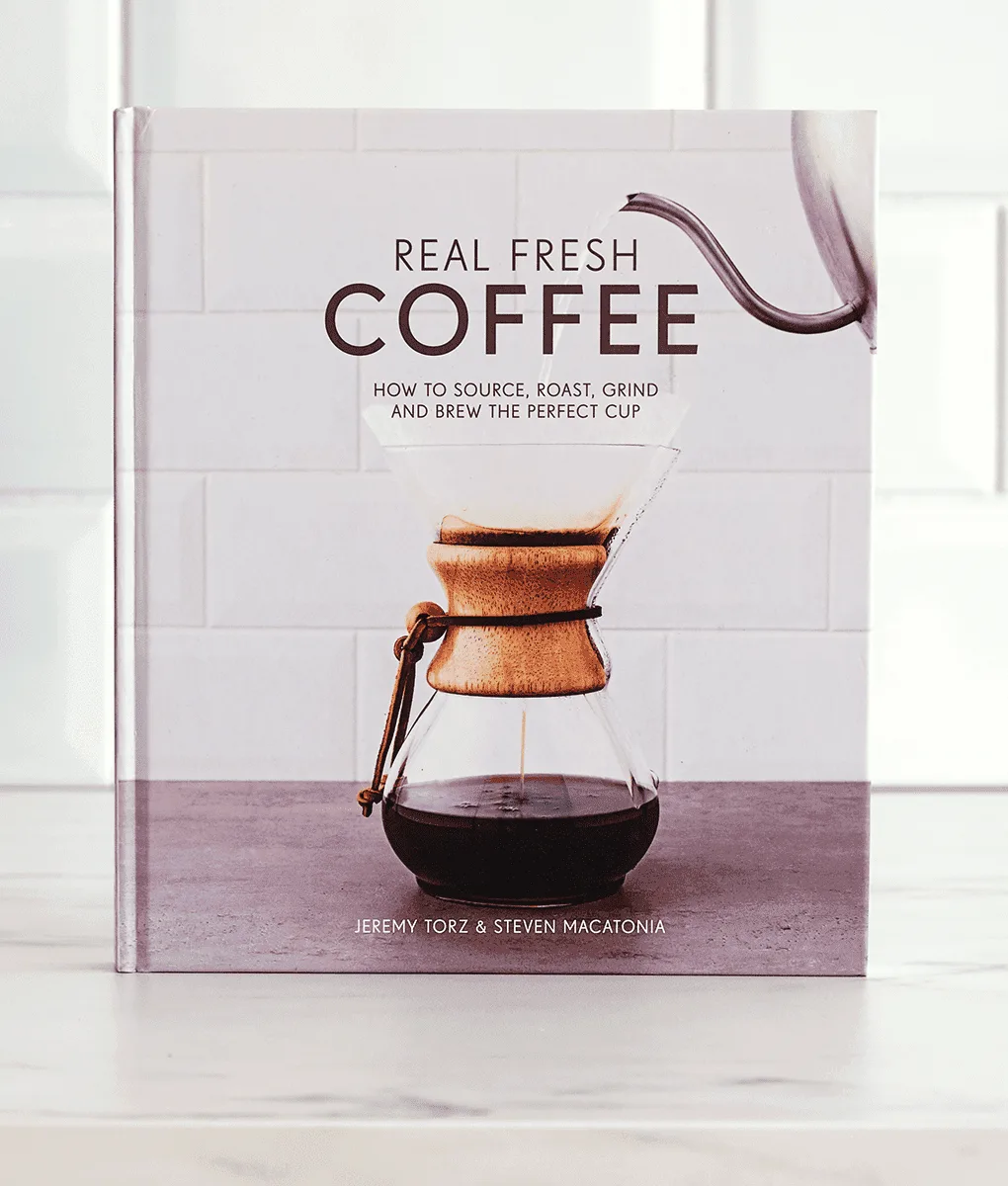
- Home brewing has become an art form, with tools like the AeroPress and digital scales enabling precision.
The Future of Specialty Coffee: Sustainability and Innovation
As the specialty coffee industry continues to evolve, sustainability has become a central concern. Climate change poses a serious threat to coffee-growing regions, with rising temperatures and unpredictable weather patterns affecting yields and quality. In response, many roasters and producers are investing in regenerative agriculture, shade-grown farming, and carbon-neutral roasting practices. Consumers can support these efforts by choosing beans from transparent supply chains and eco-conscious brands.
Innovation is also shaping the future, from nitrogen-infused cold brews to advanced brewing gadgets that bring café-quality results home. The Liberacion from Guatemala exemplifies how single origin coffees can tell a story of place and people, while also adapting to changing environmental conditions. As coffee culture becomes more globalized, the appreciation for diverse flavor profiles and ethical sourcing will only grow, ensuring that specialty coffee remains a vibrant and evolving industry.
- Look for certifications like Rainforest Alliance or Direct Trade to support sustainable practices.
- Experiment with different brewing methods to discover new flavor dimensions in your favorite beans.
- Joining a coffee subscription can introduce you to seasonal offerings from around the world.
The history of specialty coffee is a testament to human curiosity, trade, and the relentless pursuit of quality. From the legendary goats of Ethiopia to the precision of modern brewing, every cup tells a story. Whether you are exploring a floral Ethiopian Yirgacheffe or a chocolatey Brazilian João Hamilton, you are participating in a tradition that spans centuries. We invite you to dive deeper into this world by exploring our curated selection of single origin coffees and brewing equipment—perfect for your next journey from bean to cup.