White tea is often considered the most delicate and least processed of all tea types, prized for its subtle flavors and health benefits. But its story begins over a thousand years ago in the misty mountains of China's Fujian province, where emperors and scholars first revered its pale liquor. Understanding white tea history offers a window into the broader evolution of Chinese tea culture and the global spread of tea drinking.
From its legendary discovery during the Song Dynasty to its modern renaissance as a specialty beverage, white tea has journeyed through centuries of change. This article traces the origins of white tea, explores its cultural significance, and reveals how you can experience this ancient tradition today. Whether you're a seasoned tea enthusiast or new to the world of loose leaf, the story of white tea is one of artistry, patience, and pure craftsmanship.
The Legendary Beginnings in Fujian Province
The origins of white tea are steeped in legend and history, with most accounts pointing to China's Fujian province during the Song Dynasty (960–1279 AD). Local tea farmers in the Fuding and Zhenghe regions discovered that by gently plucking the youngest, most tender tea buds and allowing them to wither naturally in the sun, they could produce a tea with a remarkably delicate flavor and silvery-white down. This process, known as 'wei diao' (withering), became the hallmark of white tea production and set it apart from other tea varieties.
Historical records from the Song Dynasty describe white tea as a rare tribute to the imperial court, reserved for emperors and high-ranking officials. The tea leaves were often pressed into cakes or formed into intricate shapes, then ground into a powder for whisking – a practice that later inspired Japanese matcha culture. The name 'white tea' itself comes from the fine white hairs (trichomes) that cover the young buds, giving them a silvery appearance. Today, the Fuding region remains the heart of white tea production, and its traditional methods are protected by Chinese geographical indication laws.
- Fuding and Zhenghe are the two primary white tea producing regions in Fujian, each with distinct terroir and flavor profiles.
White Tea Through the Dynasties: From Emperor's Elixir to Global Commodity
During the Tang Dynasty (618–907 AD), tea culture flourished, but white tea as we know it had not yet been fully developed. It was the Song Dynasty that elevated white tea to an art form, with Emperor Huizong himself writing about its virtues in his treatise 'Da Guan Cha Lun' (Treatise on Tea). He praised white tea as the pinnacle of tea craftsmanship, noting its 'pure, elegant, and subtle' character. The emperor's endorsement cemented white tea's status as a luxury item, and production methods were closely guarded secrets passed down through generations.
By the Ming Dynasty (1368–1644 AD), tea culture shifted from powdered to whole-leaf brewing, and white tea evolved into the loose-leaf form we recognize today. The famous 'Silver Needle' (Bai Hao Yin Zhen) variety emerged during this period, made exclusively from unopened buds. White tea also began to appear in European trade records, though it remained a niche product compared to black and green teas. In the 19th century, white tea gained popularity in Western markets as a health tonic, and its export from Fujian ports like Fuzhou increased significantly. Today, white tea is celebrated worldwide for its antioxidant properties and minimal processing, making it a favorite among health-conscious consumers.
- Silver Needle (Bai Hao Yin Zhen) is the most prized white tea, made from only the top buds harvested in early spring.
- White Peony (Bai Mu Dan) includes both buds and young leaves, offering a fuller flavor profile.
The Art of White Tea Processing: Why Less Is More
White tea's uniqueness lies in its minimal processing, which preserves the natural compounds and delicate flavors of the tea plant. Unlike green tea, which is pan-fired or steamed to halt oxidation, white tea is simply withered and dried. The traditional method involves spreading freshly plucked buds and leaves on bamboo trays under the sun or in a controlled indoor environment. This slow withering process can take 24 to 72 hours, during which the leaves lose moisture and develop their characteristic floral and honeyed notes.
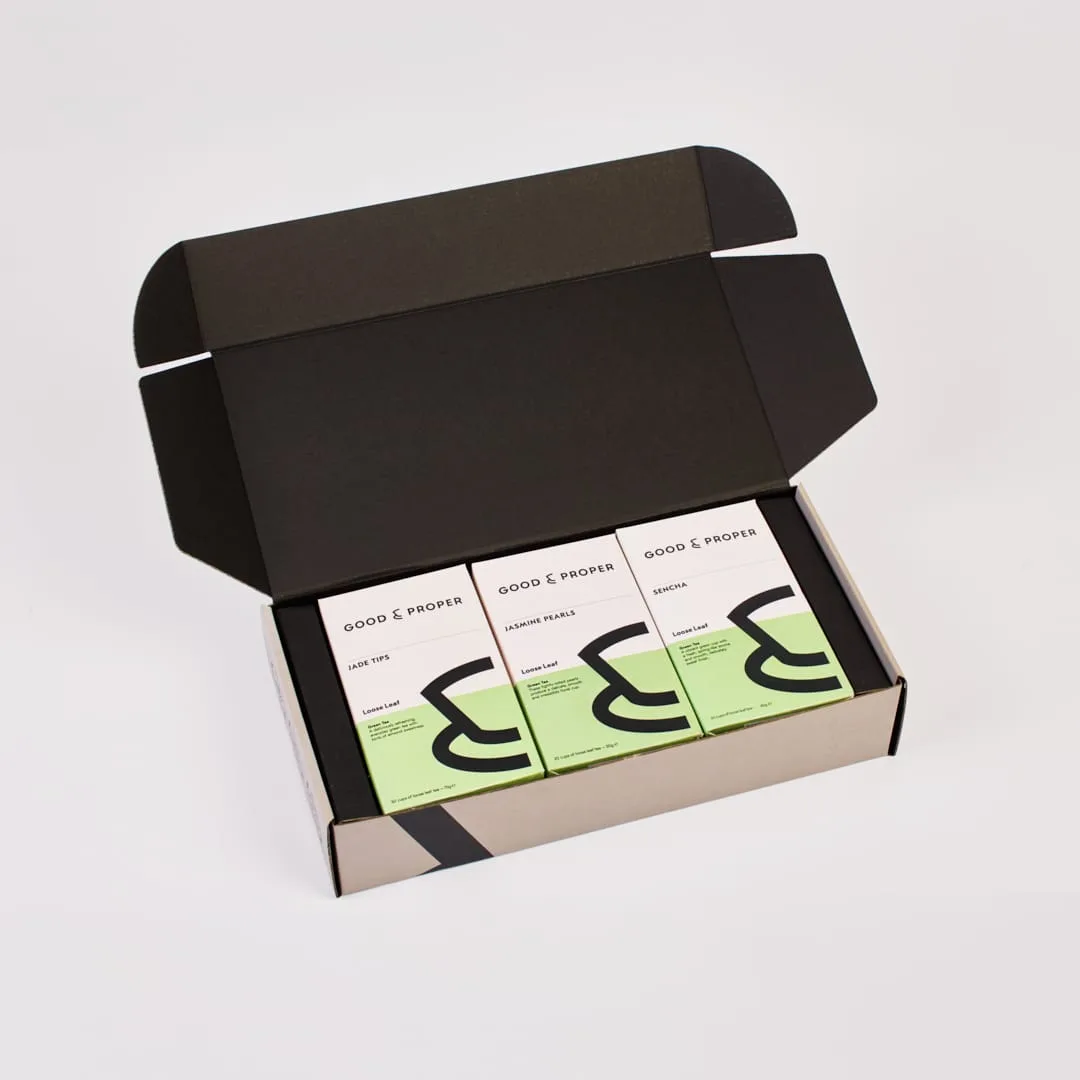
The final step is drying, which can be done using low heat or additional sun exposure. This gentle approach means white tea retains high levels of catechins and antioxidants, making it one of the healthiest tea options. The flavor profile varies by variety: Silver Needle offers a light, sweet, and creamy taste with hints of melon, while White Peony is more robust with notes of hay and stone fruit. For those exploring white tea for the first time, the Favourites Collection - Loose Leaf provides a curated selection that includes classic white teas, allowing you to compare styles and discover your preference.

Favourites Collection - Loose Leaf
- White tea has the lowest caffeine content among true teas (Camellia sinensis), making it ideal for evening consumption.
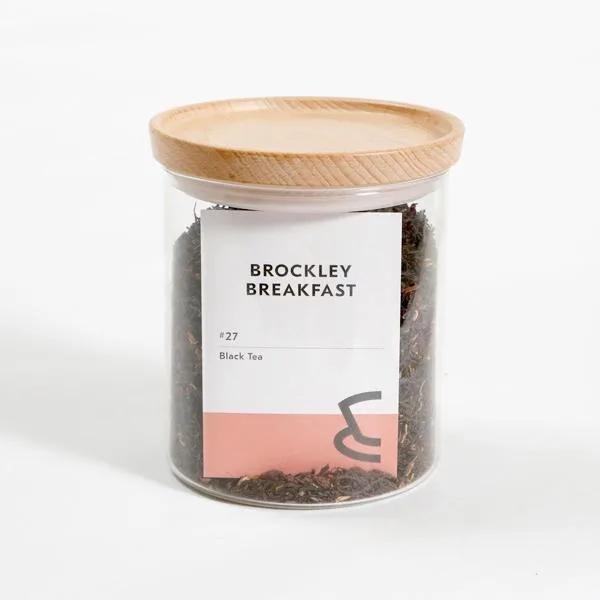
- Proper storage in a cool, dark place is essential to preserve white tea's delicate flavors – a Glass Storage Jar can help maintain freshness.
Glass Storage Jar
White Tea Culture: Rituals, Health, and Modern Revival
In traditional Chinese culture, white tea was more than a beverage – it was a symbol of purity, humility, and artistic expression. Tea ceremonies involving white tea emphasized mindfulness and simplicity, with the focus on appreciating the tea's natural beauty. The pale liquor and subtle aroma were seen as metaphors for clarity and inner peace. Today, white tea culture has expanded globally, with specialty tea shops and online retailers like Good & Proper Tea introducing new audiences to its charms.
Health benefits have also driven white tea's popularity. Rich in antioxidants like EGCG, white tea is believed to support skin health, reduce inflammation, and boost immune function. Studies suggest it may also help lower blood pressure and improve dental health due to its fluoride content. Modern tea enthusiasts appreciate white tea for its versatility – it can be enjoyed hot or cold, and its mild flavor pairs well with food. For those looking to deepen their knowledge, the book 'Easy Leaf Tea by Timothy d'Offay' offers an in-depth exploration of tea culture, including white tea traditions.
- White tea is one of the least processed teas, making it a pure expression of the tea plant's character.
- Brew white tea at 70–80°C (158–176°F) for 2–4 minutes to avoid bitterness and bring out its sweet notes.
How to Brew the Perfect Cup of White Tea
Brewing white tea requires a gentle touch to preserve its delicate flavors. Start with fresh, filtered water heated to around 75°C (167°F) – just below boiling. Using too hot water can scorch the leaves and result in a bitter taste. For loose leaf white tea, use about 2–3 grams (1–2 teaspoons) per 200 ml cup. Steep for 2–4 minutes, depending on your preference. Silver Needle benefits from a shorter steep, while White Peony can handle a bit longer.
White tea leaves can be re-steeped multiple times, with each infusion revealing new flavor nuances. Use a glass teapot or a gaiwan to appreciate the visual beauty of the unfurling leaves. For convenience, Tea Filters for Loose Leaf make single servings easy without sacrificing quality. Experimenting with water temperature and steep times allows you to customize the brew to your taste – the journey is part of the white tea experience.
- Avoid using boiling water – aim for 70–80°C to prevent bitterness.
- White tea can be steeped 2–3 times, with each infusion offering a different flavor profile.
White tea's journey from ancient Chinese imperial courts to modern tea cups is a testament to its timeless appeal. Whether you're drawn to its subtle flavors, health benefits, or rich history, there's no better way to explore this tradition than by tasting it yourself. Discover the elegance of white tea with the Favourites Collection - Loose Leaf, which includes a selection of premium white teas to start your journey.