Quick answer
Replace the timing belt on your HiTorque mini lathe when you notice slipping, wear, or noise. The replacement is a straightforward job that takes about 30 minutes with basic hand tools.
When to replace the timing belt
The timing belt on your HiTorque mini lathe synchronizes the spindle with the motor. Over time, it can stretch, crack, or lose teeth, leading to slipping and inconsistent spindle speed. Common symptoms include a squealing noise during startup, jerky spindle rotation, or visible wear on the belt's teeth.
If you notice any of these signs, inspect the belt for cracks, fraying, or missing teeth. A worn belt not only affects performance but can also damage the pulleys. Replacing it promptly prevents further issues.
Choosing the right replacement belt
The HiTorque mini lathe uses a 100-tooth timing belt that is 9 mm wide, marked 1.5X100. This belt is also compatible with the SIEG SC2 mini lathe. When ordering a replacement, verify the tooth count and width to ensure a proper fit.
A quality replacement belt, such as the one from Sieg Industrial Group, will maintain proper synchronization and provide long service life. Avoid generic belts that may not match the exact specifications.
Step-by-step replacement process
- Disconnect power and remove covers: Unplug the lathe and remove the belt cover and any guards that obstruct access to the drive system. This prevents accidental startup and gives you room to work. Always disconnect power before working on the drive system.
- Release tension on the old belt: Loosen the motor mounting bolts and slide the motor toward the spindle to reduce belt tension. If your lathe has a tensioner, release it. Remove the old belt from the pulleys. Keep track of the motor position for reinstallation.
- Inspect pulleys and clean: Check the pulleys for wear, debris, or damage. Clean the pulley grooves with a brush or cloth to ensure the new belt seats properly. A clean pulley surface extends belt life.
- Install the new belt: Place the new 100-tooth timing belt over the pulleys, ensuring the teeth align with the grooves. Do not force the belt; it should fit snugly without stretching. Verify the belt is not twisted before tensioning.
- Tension the belt correctly: Slide the motor away from the spindle to tension the belt. The belt should deflect about 1/4 inch (6 mm) when pressed firmly at the midpoint between pulleys. Avoid over-tensioning, which can cause bearing wear. Check tension again after a few hours of use.
- Reassemble and test: Reinstall the belt cover and guards. Plug in the lathe and run it at low speed, listening for unusual noises and checking for smooth operation. If you hear squealing, recheck tension and alignment.
Replacement belt we recommend
-
Belt, Timing HiTorque Mini Lathe, 100 Teeth: This timing belt is designed for the HiTorque and SIEG SC2 mini lathes, with 100 teeth and a 9 mm width. Using the correct tooth count and width ensures a proper fit and reliable synchronization, preventing slippage and premature wear.
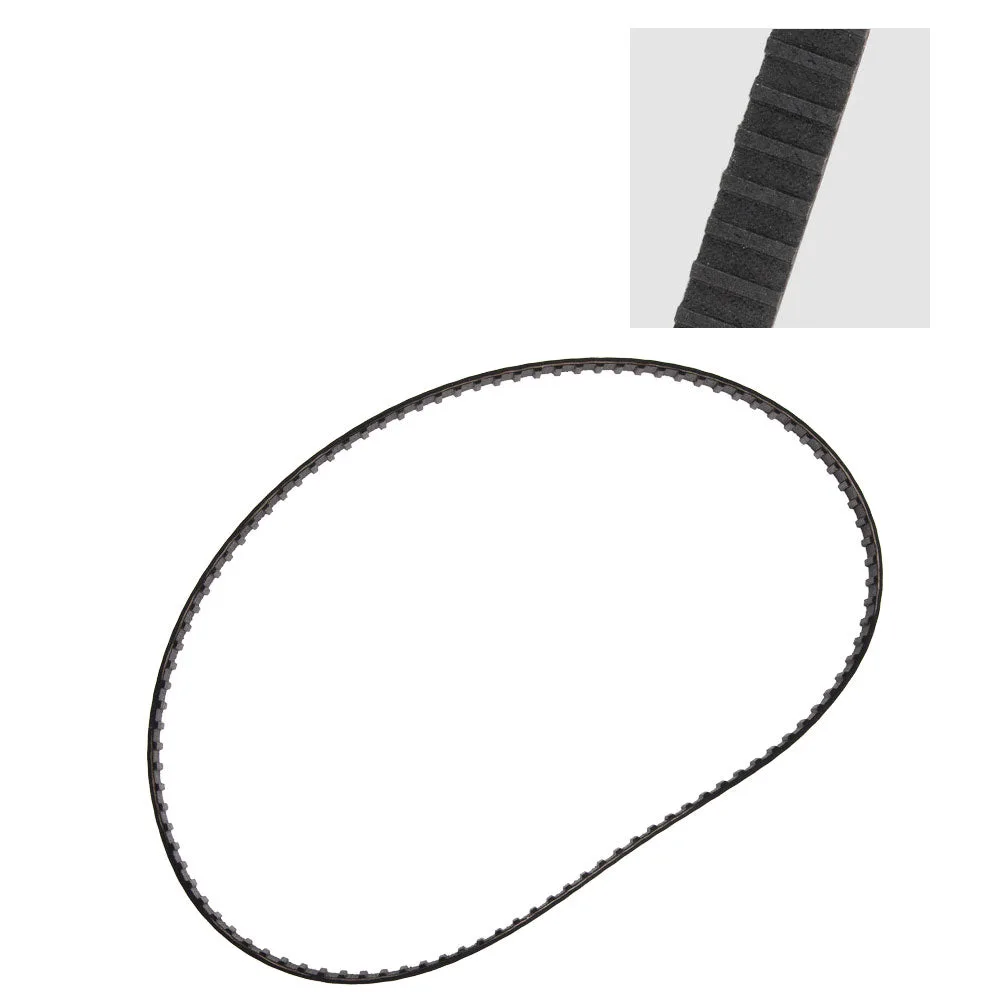
Belt, Timing HiTorque Mini Lathe, 100 Teeth