Quick Recommendation
For most households, a 2‑5 cu ft freezer offers the best balance of storage space and energy use. Choose a model with a top‑mounted freezer if you need easy access to frozen items and adjustable shelves for flexible organization.
Choosing the right freezer size starts with understanding how much you actually freeze and where the unit will live. Over‑buying leads to wasted energy, while under‑buying forces frequent trips to the grocery store.
This guide walks you through a step‑by‑step capacity calculation, shows how to measure your kitchen space, and highlights two Antarctic Star models that illustrate common size categories.
Assess Your Frozen Food Habits
Make a quick inventory of the foods you freeze regularly—meals, vegetables, ice cream, bulk purchases, and occasional party trays. Note the typical package sizes and how often you restock. This habit snapshot forms the baseline for your volume estimate.
If you use your freezer for seasonal bulk buys (e.g., holiday meals), add an extra 20‑30 % to your weekly frozen volume to accommodate those spikes.
- Track frozen items for one week to capture real usage patterns.
Calculate Needed Capacity
Add up the cubic footage of each item (length × width × height in inches, then divide by 1,728). Multiply the total by 1.5 – the industry‑standard “growth factor” – to ensure room for future purchases and proper airflow.
The resulting figure is the minimum freezer capacity you should target. Round up to the nearest standard size offered by manufacturers.
- Use the 1.5× rule for a buffer against bulk buying.
Match Capacity to Available Space
Measure the height, width, and depth of the intended location, leaving at least 2 inches of clearance on all sides for ventilation. Compare those dimensions with the product specs to verify fit.
Consider door swing direction and whether a reversible door would better suit your kitchen layout.
- Check the unit’s energy rating; a higher Energy Star rating can offset a slightly larger footprint.
Decision Rules for Freezer Capacity
- Step 1 – List Your Frozen Items: Write down the types and approximate volumes of foods you freeze each week. Create a baseline volume.
- Step 2 – Apply the 1.5× Rule: Multiply your weekly frozen volume by 1.5 to allow for growth and occasional bulk purchases. Ensures future‑proof capacity.
- Step 3 – Check Space & Energy: Measure the intended location, verify clearance, and compare the unit’s energy rating. Avoid fitting issues and high electricity bills.
Antarctic Star Freezer Options
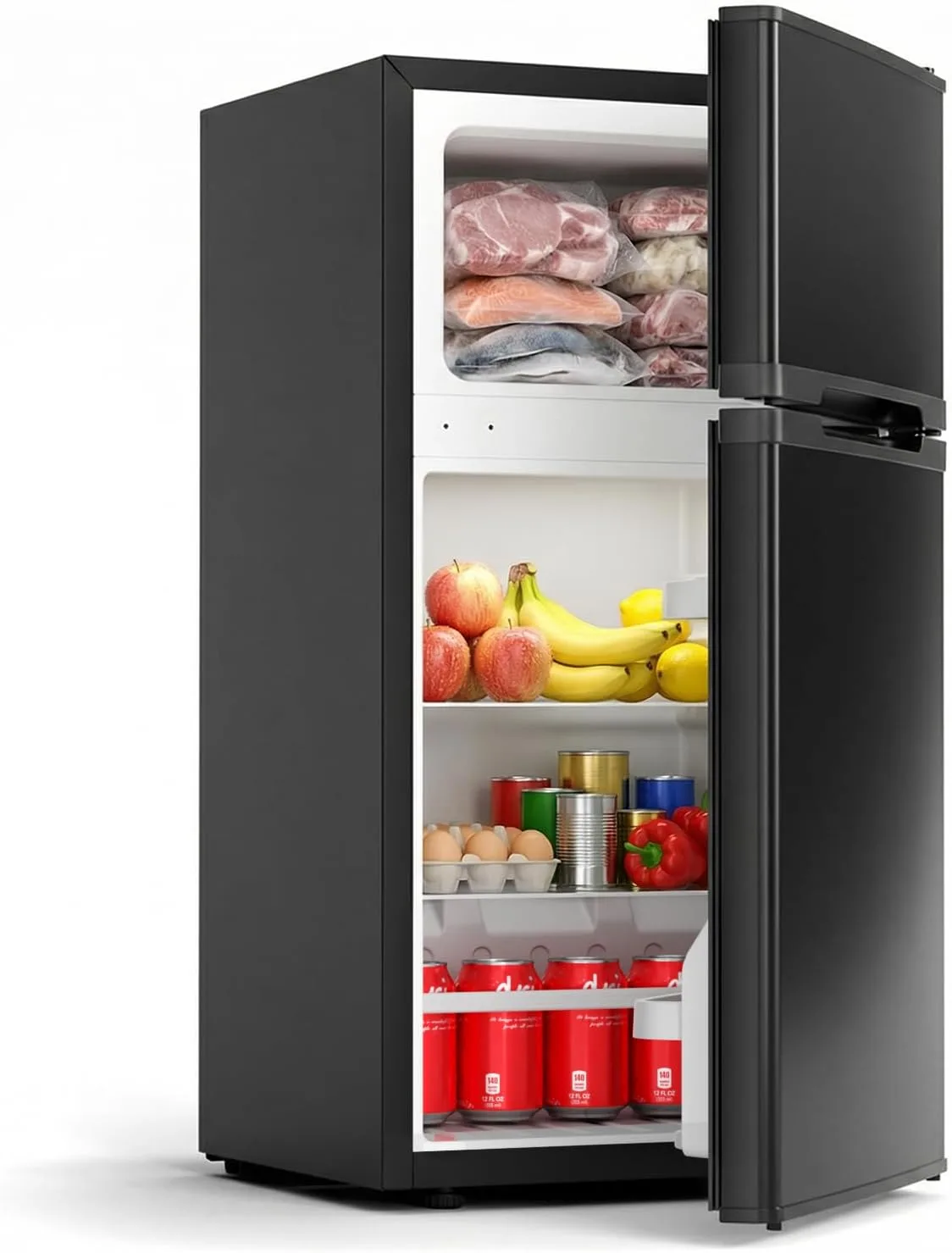
- Antarctic Star 2.5 Cu.Ft Dorm Fridge with Freezer, Double Reversible Door Compact Refrigerator with 2 Removable Shelves: Capacity 2.45 Cubic Feet, Compact Freezer‑on‑Top, Adjustable Shelves, Low Noise, Energy Efficient Provides enough room for a typical family’s weekly frozen meals while staying compact for small kitchens.
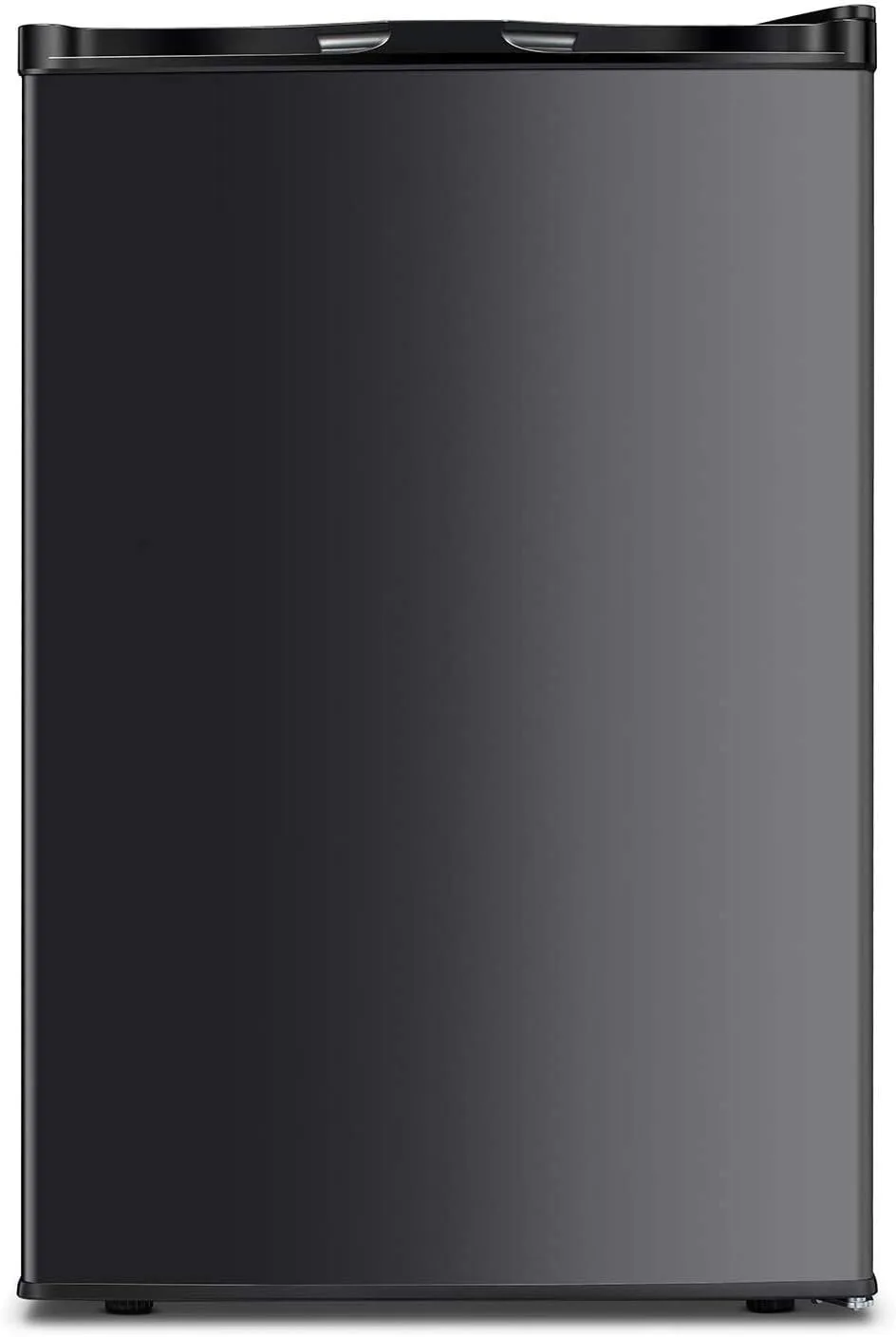
- Antarctic Star Compact Chest Upright Freezer-2.1 cu.: Single Door Reversible Stainless Steel Door, Adjustable Removable Shelves, 2.1 cu. ft capacity Ideal for tight corners and offers vertical storage that maximizes floor space.
Who This Guide Works Best For
Best For
- Small to medium households (1‑4 people) who freeze meals, produce, and occasional bulk items
- Apartment or condo dwellers with limited kitchen space
Not Ideal For
- Large families (5+ members) needing more than 5 cu ft of freezer space
- Users requiring deep‑freeze temperatures below -10 °F for specialty items
By following the capacity calculation steps and checking your kitchen dimensions, you can select a freezer that meets today’s needs while leaving room for tomorrow’s purchases. The Antarctic Star models highlighted illustrate how the right size can fit seamlessly into any home.