Quick Answer
For a home office, start with a mix of ambient ceiling light and focused task lighting. Choose a pendant light that provides even, glare-free illumination over your desk, and add an adjustable task lamp for detailed work. Prioritize fixtures with warm, dimmable light to reduce eye strain.
Working from home means your lighting needs to do more than just brighten a room. It has to keep you alert, reduce eye strain, and create a space where you can focus for hours. Whether you're setting up a new office or refreshing an existing one, the right lighting plan can make a big difference.
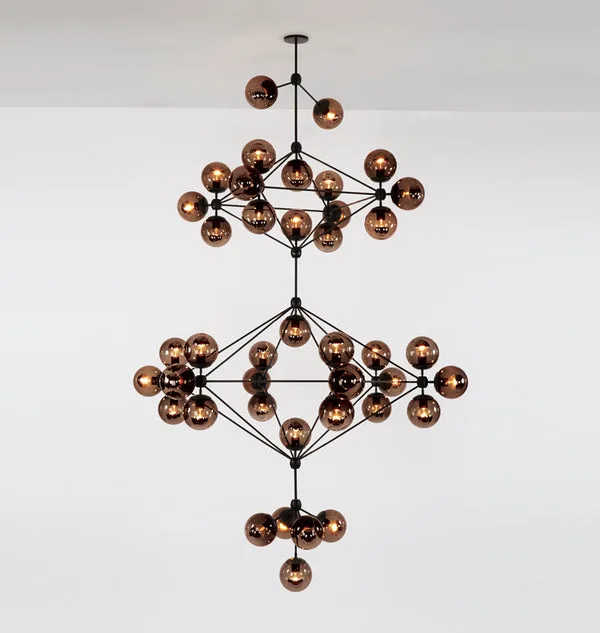
This guide walks you through the key considerations for home office lighting, from choosing the right pendant light to layering in task lighting. You'll also see how specific fixtures from Roll & Hill can meet your needs, whether you're after a sculptural centerpiece or a subtle wall wash.
Start with a Lighting Plan
Before you shop, think about the three main types of lighting: ambient, task, and accent. Ambient lighting provides overall illumination and often comes from ceiling fixtures like pendants. Task lighting focuses on a specific area, such as your desk, to help you read, write, or work on a computer. Accent lighting adds depth and visual interest, but it's not essential for work.
In a home office, you'll want a combination of ambient and task lighting. A pendant light can serve as your primary ambient source, especially if it's positioned over your desk. But you'll also need a task lamp for close-up work, especially in the evening. This layered approach helps you avoid harsh shadows and excessive contrast that can cause eye fatigue.
- Plan for at least two light sources in your office: one general and one task-specific.
- Consider the color temperature: warmer light (2700-3000K) feels cozy, while cooler light (3500-5000K) mimics daylight and can boost alertness.
Choosing a Pendant Light for Your Home Office
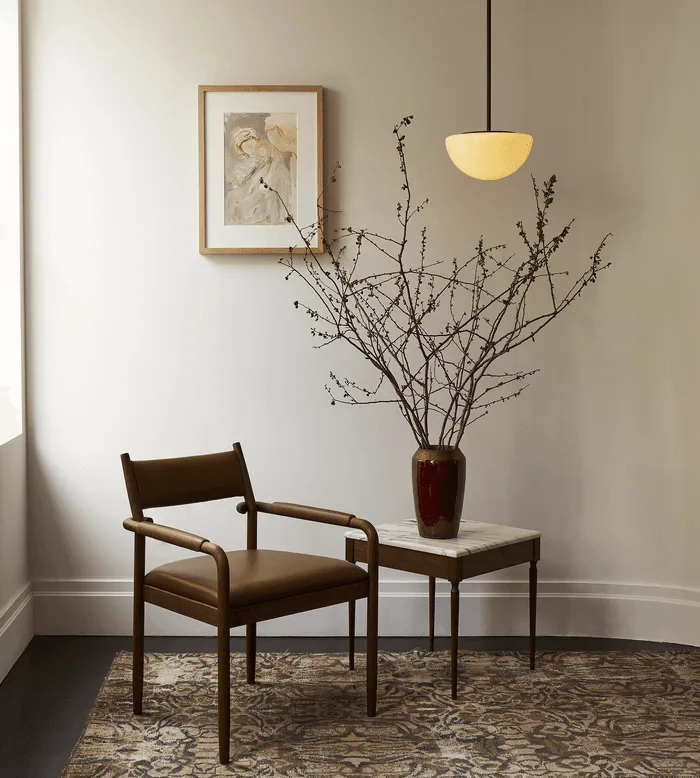
Pendant lights are a popular choice for home offices because they save desk space and provide downward-focused light. When selecting a pendant, consider the height of your ceiling and the size of your desk. The fixture should hang low enough to illuminate your work surface but high enough not to obstruct your view or bump your head. A general rule is to hang the bottom of the pendant 28-36 inches above your desk.
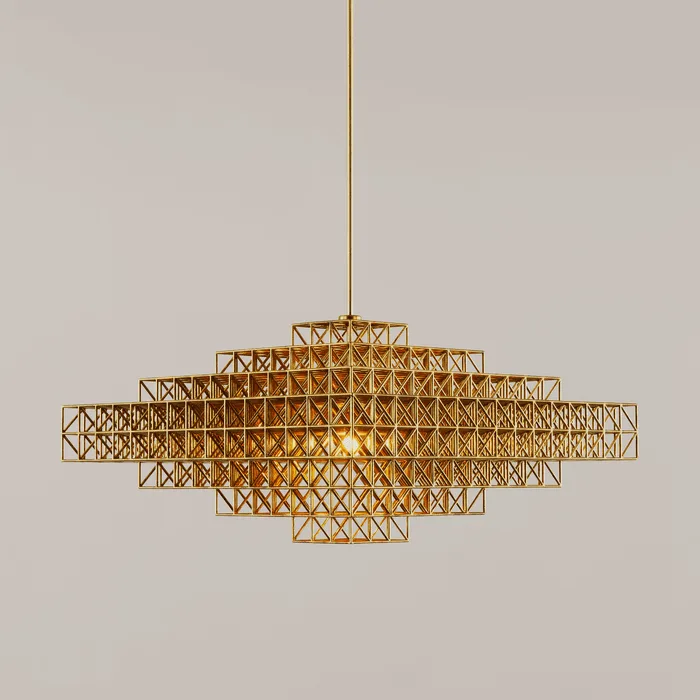
Look for a design that directs light downward and minimizes glare. A shade or diffuser helps spread light evenly, while a bare bulb can create harsh shadows. Also, think about the material and finish. Brass or wood can add warmth, while matte black or white fits a modern aesthetic. The style should complement your office decor but also function well for long work sessions.
- Measure your desk and ceiling height before choosing a pendant.
- Opt for a pendant with a dimmer switch to adjust brightness throughout the day.
Task Lighting: The Essential Companion
Even with a great pendant light, you'll likely need a task lamp for activities like writing, reading documents, or working on detailed projects. A task lamp with an adjustable arm and head allows you to direct light exactly where you need it. Look for one that offers multiple brightness levels and a color temperature that suits your work.
When positioning a task lamp, place it on the opposite side of your writing hand to avoid shadows. For right-handed people, the lamp goes on the left; for left-handed, on the right. Also, make sure the light doesn't reflect off your computer screen, which can cause glare. Position the lamp so the light hits your keyboard and papers, not the monitor.
- Choose a task lamp with a flexible arm for maximum adjustability.
- Consider an LED lamp with a high Color Rendering Index (CRI) for accurate colors.
Eye-Friendly Lighting Strategies
Eye strain is a common issue in home offices, often caused by poor lighting. To reduce strain, avoid placing a single bright light source directly behind your computer screen, which creates glare. Instead, position lights so they illuminate your work area from the side or above, and use indirect lighting to bounce light off walls or ceilings.
Another tip is to balance the brightness of your screen with the surrounding light. If your monitor is much brighter than the room, your eyes have to work harder to adjust. Use a dimmer on your ambient light or choose a fixture with a diffuser to soften the light. Also, take regular breaks to rest your eyes, but the right lighting can reduce the need for frequent breaks.
- Use a matte screen filter to reduce glare if necessary.
- Incorporate natural light when possible, but use blinds to control direct sunlight.
Decision Rules for Home Office Lighting
- Ceiling Height: If your ceiling is under 8 feet, choose a flush or semi-flush mount instead of a pendant to avoid head bumps. For ceilings above 9 feet, a longer pendant drop works well. Measure first to avoid a fixture that hangs too low.
- Desk Position: If your desk is against a wall, a wall-mounted arm lamp or a small table lamp works better than a pendant that may cast shadows. If your desk is in the center of the room, a pendant is ideal. Consider your desk layout before selecting a light.
- Glare Sensitivity: If you are prone to eye strain, choose fixtures with diffused shades or indirect lighting like wall sconces. Avoid bare bulbs and use dimmers to control brightness. Prioritize soft, even light over maximum brightness.
- Style Preference: For a modern minimalist office, look for clean lines and metallic finishes. For a traditional or industrial style, consider brass and wood combinations like https://rollandhillsto.shop/products/the-laddi-277701https://rollandhillsto.shop/products/the-laddi-278302https://rollandhillsto.shop/products/the-laddi-278400https://rollandhillsto.shop/products/the-laddi-278401The Laddi. Let your decor guide the fixture's material and form.
Roll & Hill Lighting Options for Your Home Office
- The Laddi: A nod to the original, scale is at play with a juxtaposition of a small globe and bold star-shaped base. Two distinct elements—timeless brass and warm wood—come together in a table lamp that gracefully bridges past and present. This table lamp adds a stylish touch to your desk and provides focused task lighting with its small globe shade. The brass and wood construction brings warmth to your workspace.
- The Met: Inspired by a ubiquitous form from the Gilded Age, The Met exists somewhere between opulence and simplicity, a traditional form updated for a digital age. The Met is available in brass or oil-rubbed bronze and hand-blown Italian glass. The Met's hand-blown glass diffuses light softly, reducing glare and creating a comfortable ambient glow for your office. Its classic yet modern design fits both traditional and contemporary interiors.
- Pith: A versatile design that casts a warm, subtle, light. Pith is crafted to wash any wall in a soft ombre. Available in a variety of materials and colors with an elegant unlacquered brass toggle or thumb nut. Pith is perfect for both indoor and outdoor settings. Pith can be used as a wall sconce to provide indirect ambient lighting, washing the wall with a warm glow that reduces contrast and eye strain. Its indoor/outdoor versatility is a bonus if your office has a covered patio.
Which Lighting Fits Your Office?
Best for
- Home offices with high ceilings that can accommodate a pendant light without obstruction.
- Desks positioned away from walls, allowing a pendant to hang directly overhead.
- Users who prefer a layered lighting approach with ambient and task sources.
Not for
- Small, low-ceilinged spaces where a pendant would overwhelm the room or hang too low.
- Desks placed against a wall where a pendant would cast shadows on the work surface.
Choosing the right lighting for your home office is about balancing function and comfort. Start with a plan that includes both ambient and task lighting, and choose fixtures that reduce glare and eye strain. Whether you opt for a pendant like The Met or a table lamp like The Laddi, Roll & Hill offers pieces that combine style and practicality. Remember to measure your space, consider your desk position, and prioritize light quality over sheer brightness. With the right lighting, you can create a productive and comfortable workspace that supports your best work.