Start with the mat you have
A 4mm mat can work well for Pilates at home, especially if you already own one. The NEUMEE Exercise Yoga Mat is 4mm thick and made from natural rubber with a suede/microfiber surface. That combination gives you a stable base for mat Pilates, though the thin profile means you may want to adjust a few moves for comfort.
This guide walks through a simple home Pilates routine using the NEUMEE mat, with checkpoints for grip, spine comfort, and setup. It is not a substitute for instruction from a qualified Pilates teacher, especially if you are new to the method or working with an injury.
What the NEUMEE mat brings to Pilates
-
NEUMEE Exercise Yoga Mat with Carrying Strap for Women &Men, 1/8”(4mm) Thickness, Designed in California for the New You: 4mm (1/8”) thickness A thin mat keeps you close to the floor for balance and feedback during Pilates, but it offers less cushioning than thicker mats.
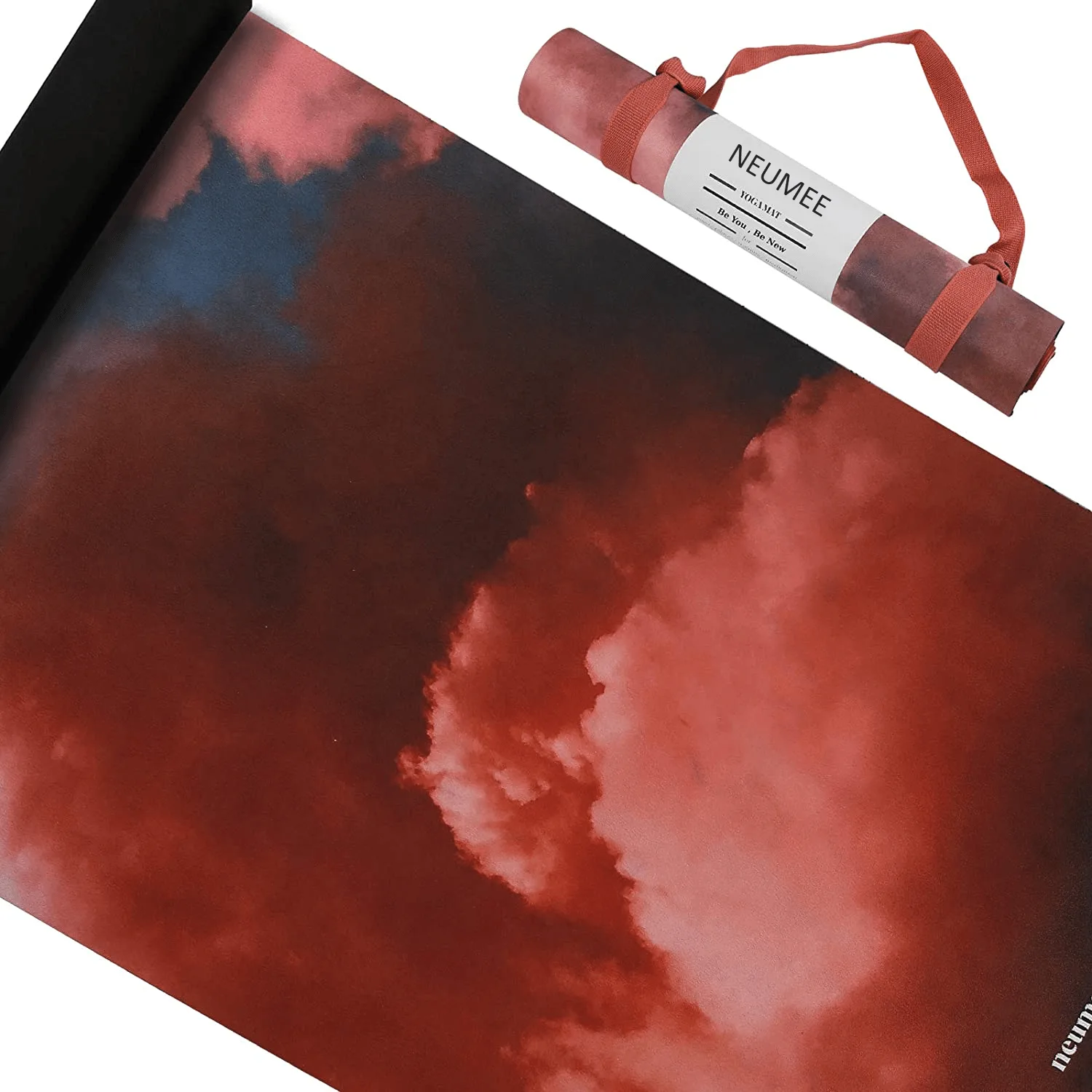
NEUMEE Exercise Yoga Mat with Carrying Strap for Women &Men, 1/8”(4mm) Thickness, Designed in California for the New You
-
NEUMEE Exercise Yoga Mat with Carrying Strap for Women &Men, 1/8”(4mm) Thickness, Designed in California for the New You: Natural rubber base with suede/microfiber surface The sticky non-slip texture is designed to provide traction on wood, tile, and cement floors, which helps during moves that push or pull through your hands and feet.
-
NEUMEE Exercise Yoga Mat with Carrying Strap for Women &Men, 1/8”(4mm) Thickness, Designed in California for the New You: Length 72” x 24” The mat is long enough for most lying and kneeling Pilates positions, though taller users may want to check that their full spine fits comfortably.
-
NEUMEE Exercise Yoga Mat with Carrying Strap for Women &Men, 1/8”(4mm) Thickness, Designed in California for the New You: Ergonomic carrying strap included If you store your mat rolled up between sessions, the strap makes it easier to keep the mat tidy and portable.
Set up your mat for a Pilates session
- Unroll on a firm, level surface: The NEUMEE mat is designed to be non-slip on wood, tile, and cement floors. Choose a clear area with enough room to lie down and extend your arms and legs.
- Check the surface: A clean floor helps the natural rubber base stay put. If your floor is very smooth, press down on the mat at the corners before you start to make sure it sits flat.
- Position yourself with space at both ends: The mat is 72” long, so leave a little extra room beyond each end for movements where you reach overhead or extend your legs.
- Keep a small towel nearby: The microfiber surface can become slippery if your hands or feet are damp. A towel lets you dry off between exercises without leaving the mat.
Pilates moves that work well on a 4mm mat
These exercises are common in mat Pilates and suit a thin, stable surface. Move slowly and stop if you feel joint pain or strain.
- Footwork and toe taps: Lie on your back with knees bent. The 4mm thickness gives you direct feedback from the floor, which can help you keep your pelvis and ribs stable.
- Bridge: Press through your feet and lift your hips. The natural rubber base helps keep the mat from sliding as you roll your spine up and down.
- Bird dog: From hands and knees, extend opposite arm and leg. The sticky surface gives your hands and knees traction, though you may want a folded towel under your knees if they feel sensitive.
- Side-lying leg lifts: Lie on your side and lift the top leg. The mat’s length gives you room to stretch out, and the surface helps keep your supporting hip from slipping.
- Roll-up: Sit tall with legs extended, then roll down and up one vertebra at a time. A thin mat keeps you grounded, but if your spine feels uncomfortable, place a folded blanket under your hips for support.
Adjusting for spine comfort on a thin mat
The NEUMEE mat is 4mm thick, which is thinner than many cushioned exercise mats. That can be an advantage for balance and floor feedback, but it may feel firm under your spine during rolling or lying exercises. If you feel pressure points, try placing a folded blanket or towel under your shoulders or hips for extra padding. You can also slow down and reduce your range of motion rather than forcing a movement.
The mat’s natural rubber construction is described as durable and resistant to tearing, so it should hold up to regular home use. However, the supplied information does not include specific care instructions for cleaning or storing the mat beyond using the carrying strap. For general guidance on keeping a microfiber mat grippy, see our separate article on that topic.
Grip checkpoints during your routine
The NEUMEE mat has a sticky non-slip texture designed to provide traction on wood, tile, and cement floors. During Pilates, pay attention to your hands and feet in moves like bird dog or side-lying leg lifts. If you feel slipping, pause and dry the mat surface with a towel. Avoid using lotion on your hands right before practice, as it can reduce grip on the microfiber surface.
If the mat slides on your floor, check that the floor is clean and free of dust. The natural rubber base generally grips well on hard surfaces, but a small amount of moisture or grit can reduce traction. A quick wipe with a dry cloth before you start can help.
When a 4mm mat is not the best fit
If you have sensitive joints, a history of spine issues, or you prefer a softer surface for floor work, a thicker mat may be more comfortable. The NEUMEE mat is 4mm thick, so it provides less cushioning than thicker options. Similarly, if you practice on a very hard floor like concrete and find the mat too firm, consider adding a blanket underneath or choosing a mat with more padding.
For many home Pilates practitioners, though, a 4mm mat like the NEUMEE offers a good balance of stability and portability. The included carrying strap makes it easy to roll up and store, and the natural rubber and microfiber materials are designed to be free of PVC, latex, and silicone. If those material qualities matter to you, this mat is a reasonable choice for a home routine.