Quick answer
Choose honed Belgian bluestone for a matte, slip-resistant surface that hides wear, or polished for a reflective, formal look that needs more upkeep. Your decision hinges on where you'll install it and how much maintenance you're willing to do.
Why finish matters for Belgian bluestone
Belgian bluestone is a dense natural stone prized for its blue-gray tones and durability. But the finish changes how it performs and looks. Honed creates a smooth, matte surface; polished adds a glossy sheen. Each has trade-offs in slip resistance, scratch visibility, and maintenance.
Think about foot traffic, moisture, and the style you want. A polished floor in a busy entryway may show scratches more than a honed one. A honed surface in a formal dining room might feel less elegant than you'd like.
Maintenance and durability trade-offs
Polished stone is more porous and can etch when exposed to acidic spills like lemon juice or vinegar. Honed surfaces are less prone to visible etching because the matte finish hides minor damage. However, honed stone may require sealing more often to resist stains.
Scratches show more on polished finishes. In high-traffic areas, honed is more forgiving. But polished surfaces are easier to wipe clean and can feel more luxurious.
Honed vs. polished: decision trade-offs
- Style: Polished offers a glossy, formal look that reflects light and enhances veining. Honed provides a matte, understated elegance that feels more casual and contemporary.
- Slip resistance: Honed is more slip-resistant than polished, making it safer for wet areas like bathrooms, kitchens, and outdoor spaces. Polished can be slippery when wet. For bathrooms or mudrooms, choose honed to reduce slip risk.
- Maintenance: Polished requires more frequent sealing and careful cleaning to avoid etching from acidic substances. Honed is more forgiving of scratches and minor damage but may need sealing more often to resist stains. If you want low maintenance, honed is the better choice.
- Durability: Both finishes are durable, but honed hides scratches and wear better in high-traffic areas. Polished shows scratches and etching more easily, so it's better for low-traffic spaces. Use polished in areas with less foot traffic, like formal living rooms or feature walls.
Belgian bluestone finishes at a glance
-
Antique Polished 24x24 Belgian Bluestone: The Antique Polished 24x24 Belgian Bluestone features a polished antique treatment that highlights natural depth and subtle veining. The polished finish adds a reflective, elegant look, but you'll need to manage scratches and etching more carefully.
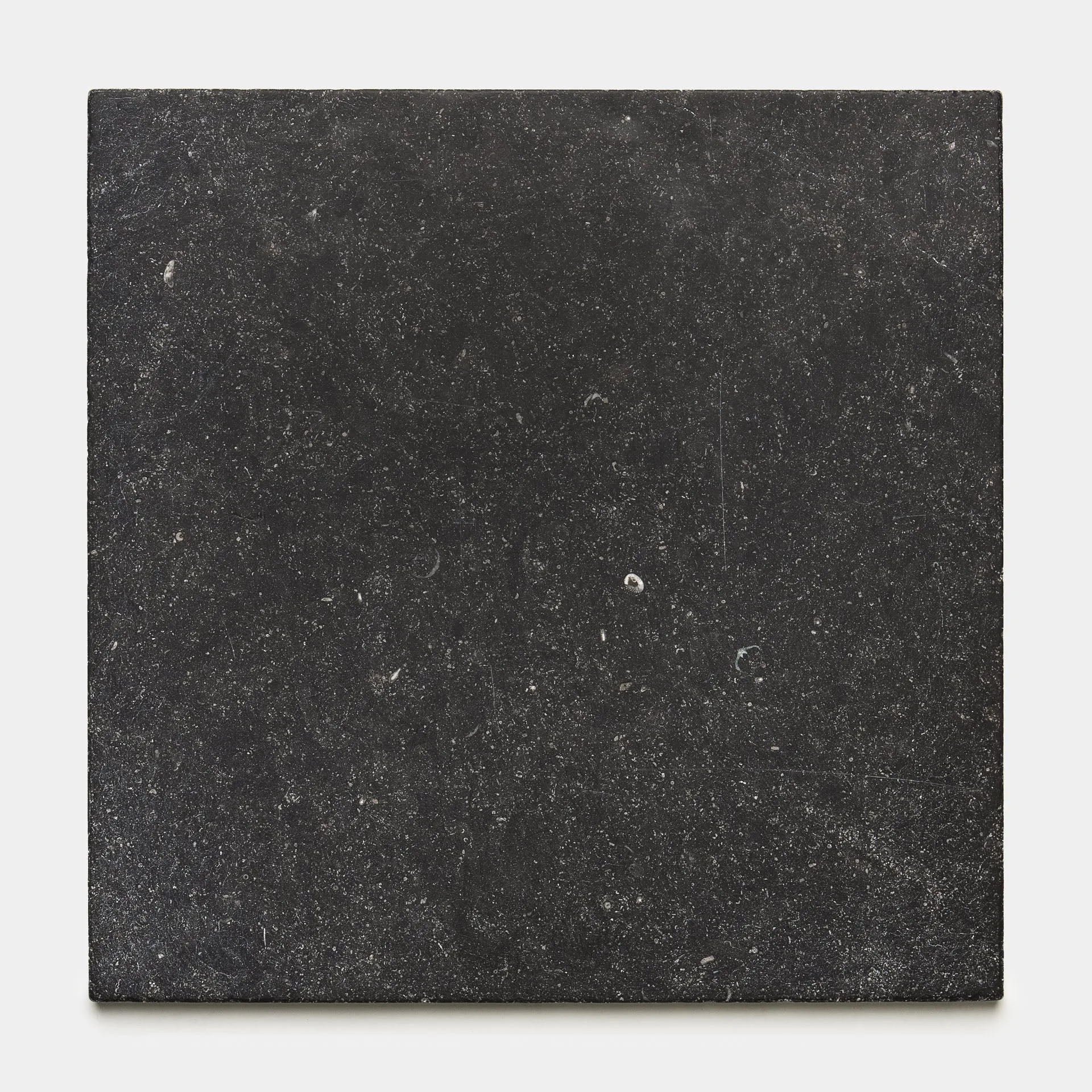
Antique Polished 24x24 Belgian Bluestone
-
Honed 12x12 Belgian Bluestone: The Honed 12x12 Belgian Bluestone has a smooth, honed surface with a matte finish and a subtle blue-gray hue. The matte finish is more slip-resistant and hides wear, making it a practical choice for floors and high-traffic areas.
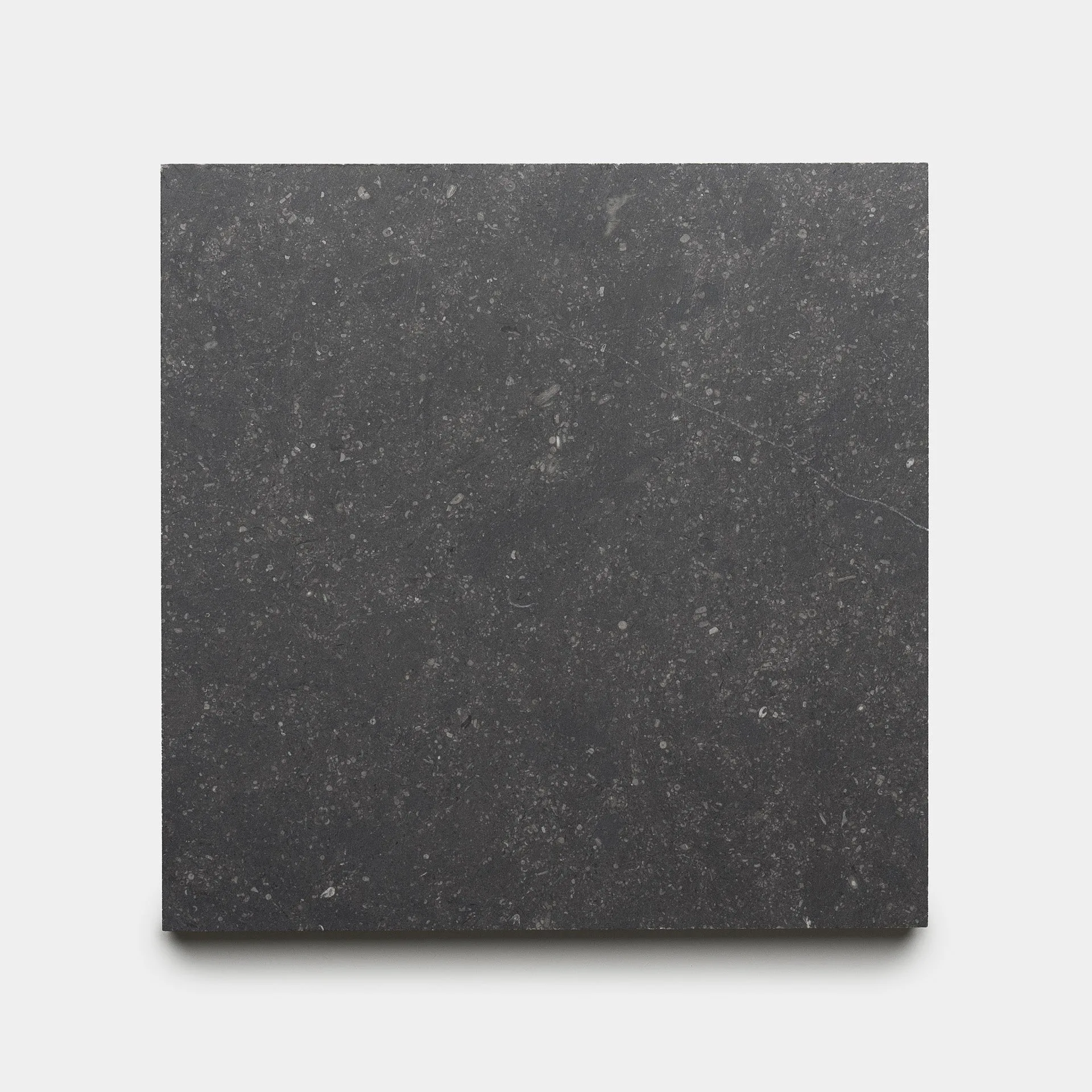
Honed 12x12 Belgian Bluestone
Which finish should you choose?
Best for
- Honed: high-traffic floors, bathrooms, kitchens, outdoor patios, and families with kids or pets.
- Polished: formal spaces like dining rooms, entryways with low traffic, and feature walls where you want a reflective, elegant look.
Not for
- Honed: if you want a glossy, reflective surface that makes a bold statement in a formal setting.
- Polished: if you're installing in a busy household or area prone to spills and heavy use.