Quick answer
Start with a snug-but-not-tight strap fit, break the sandals in gradually on dry ground, and keep them away from prolonged water or wet sand. Clean and condition the leather only when it looks dry, and let the footbed air-dry fully before wearing again.
Why dry-shore wear changes the fit and care plan
The Honu is built for beach outings and dry sand, and the catalog notes that prolonged contact with water is not part of its intended use. That matters for fit: leather straps can feel slightly firmer at first and then relax with body heat and wear, so judge the initial fit with a small amount of breathing room rather than expecting an instant broken-in feel.
Because these are not water sandals, the care routine is closer to leather shoe maintenance than to rinsing off a rubber slide. Sand is the main enemy: grit trapped between the strap and your skin or under the footbed edge can cause rubbing and premature wear.
Where the Honu fits best, and where it does not
The Honu suits boardwalk strolls, dry sand, beach lunches, and casual summer days where you want a leather sandal with a decorative footbed. It is not the right pick for tide pools, kayaking, or all-day surf sessions, and the catalog does not list a water-friendly rating, so do not assume one.
If your feet tend to swell in heat, fit the sandals earlier in the day and check the strap tension again in the afternoon. If you need a sandal you can wear straight into the water, choose a different style rather than pushing the Honu beyond its dry-shore design.
How to fit, break in, and care for the Honu
- Check strap tension before you walk out: Slide one finger under each strap; it should pass with light resistance, not freely or with pressure. Common mistake: buying a strap that feels loose because you expect it to shrink—leather usually relaxes slightly with wear, not tightens. Recheck the fit after five minutes of walking, since body heat can change how the straps sit.
- Break them in on dry ground first: Wear the sandals for short 20–30 minute sessions around the house or on pavement before a long beach day. Common checkpoint: if a strap rubs a hotspot, stop and adjust rather than pushing through. Keep the first few wears dry and short so the leather can start to mold without moisture.
- Keep sand out of the contact points: After each beach outing, tap the sandals sole-to-sole and brush sand from the footbed and strap edges with a soft brush. Common mistake: rinsing them under a tap, which the dry-shore design does not call for. A soft brush and a dry cloth handle most sand; reserve water for a damp cloth only.
- Clean leather with a damp cloth, then air-dry: Wipe the straps with a barely damp cloth and let them dry away from direct sun and heat. Common checkpoint: never machine-wash or soak the sandals, and do not dry them on a radiator or in a hot car. Stuff the toe area lightly with paper if the straps need to hold shape while drying.
- Condition only when the leather looks dry: Apply a small amount of leather conditioner to the straps when they look dull or feel stiff, then buff off any excess. Common mistake: over-conditioning a new sandal, which can soften the leather more than you want before it has molded to your foot. Condition sparingly and keep conditioner off the laser-etched footbed artwork.
- Store them dry and out of the sun: Let the sandals air out after wear and store them loosely rather than compressed under other shoes. Common checkpoint: if you notice a musty smell or damp footbed, let them dry completely before wearing again. A breathable bag or open shelf protects the leather better than a sealed plastic bin.
Product facts
-
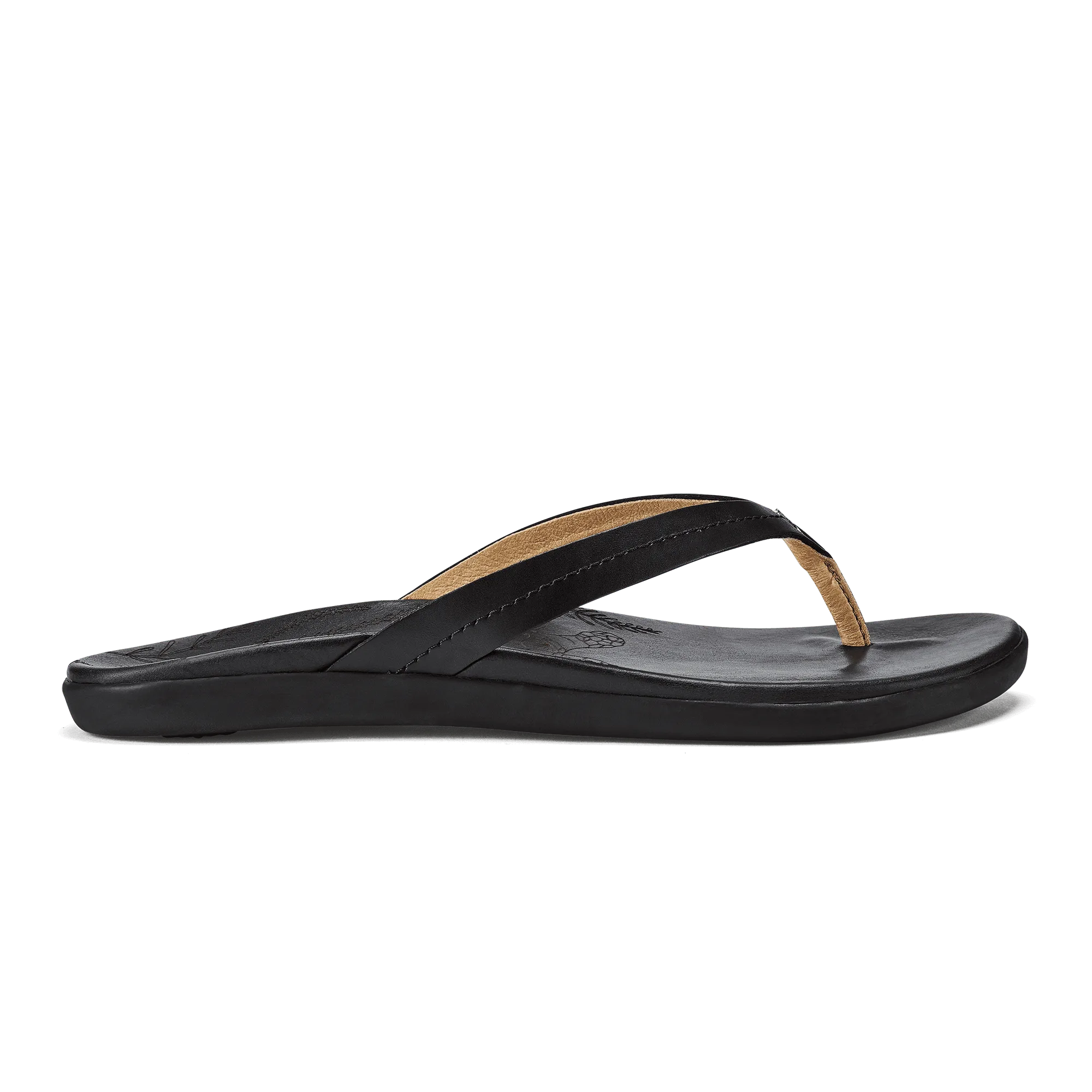
Honu: The Honu features a wrapped leather footbed with laser-etched honu artwork and premium leather straps, and it is designed for dry sand and shores rather than prolonged water contact. Treat the footbed and straps as leather that needs air-drying and occasional conditioning, and save water days for a different sandal.
Honu