You are the negotiator, and the clock is already running
Hostage Negotiator casts you as a law enforcement agent who gets the call when hostages are taken. The core box is built for solo play: you are not managing a team or waiting for a turn order. You are the person on the phone, and every decision runs through you.
The game opens with a briefing from the Crisis Commander, then you pick up the phone and the mental jousting begins. That framing matters for how you approach the session. You are not moving pieces around a map; you are working a conversation under pressure, and the box gives you the structure to do it alone.
What the core box puts in front of you
-
Hostage Negotiator: In Hostage Negotiator, you play the part of a law enforcement agent responsible for negotiating the release of hostages taken by an unscrupulous figure (the abductor) hell-bent on having his or her demands met. This is the role you take on in solo play. Understanding that you are the negotiator, not a squad commander, shapes every choice you make at the table.
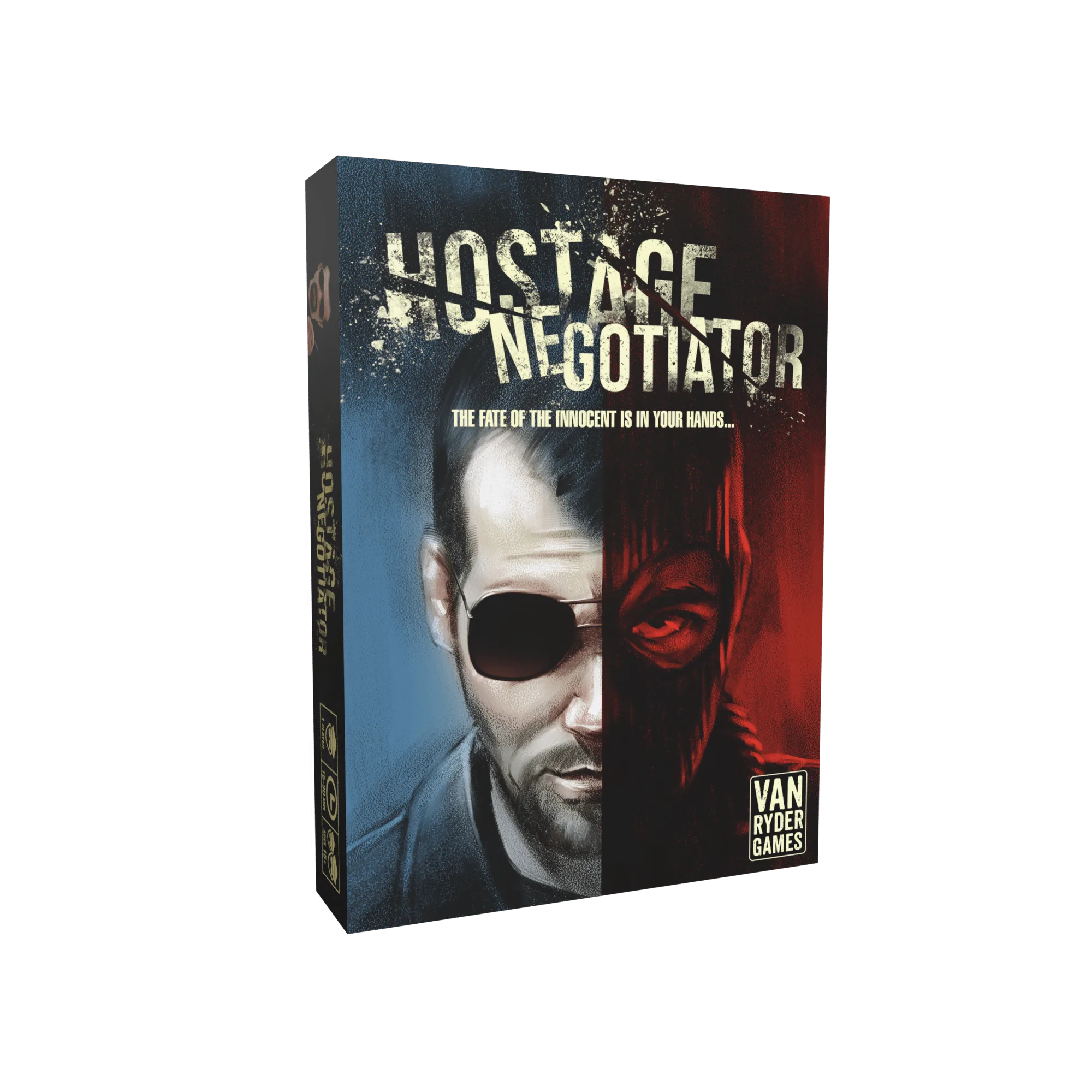
Hostage Negotiator
-
Hostage Negotiator: The Crisis Commander briefs you on the situation, then you pick up the phone and the mental jousting begins. The briefing is your starting point. It tells you the situation before the conversation starts, so you begin with context rather than guesswork.
A sensible first-session sequence
The supplied information does not include a full rulebook, so treat this as an orientation to the flow rather than a substitute for the rules. The sequence below follows the game's own framing: briefing, then negotiation.
- 1. Set up the command center: The game puts you at a command center near the scene. Give yourself a clear space for the components and the phone-side decisions you will be making. The core box is a solo game, so you do not need to leave room for other players.
- 2. Receive the Crisis Commander's briefing: The briefing sets the situation before you speak to the abductor. Read it carefully. It is the context for everything that follows, and it is the moment to note what the abductor wants.
- 3. Pick up the phone: This is where the mental jousting begins. You are now negotiating directly with the abductor. The core box is designed around this back-and-forth, so expect the conversation to be the heart of the session.
- 4. Work the negotiation: Your job is to negotiate the release of hostages while the abductor pushes for demands to be met. The supplied description frames this as a mental contest, so stay focused on the exchange rather than rushing to a conclusion.
Why this works as a one-player board game
Many solo board games for beginners struggle because they ask you to run both sides of a conflict or manage a lot of hidden information by yourself. Hostage Negotiator avoids that by giving you a single clear role: you are the agent on the phone. The abductor is the opposing force, and the game handles that side of the table.
That structure makes the core box easy to bring to the table alone. You do not need to schedule other players or teach a group. You open the box, take the briefing, and start the conversation.
The core box at a glance
- Hostage Negotiator: Hostage Negotiator is a solo game in which you play a law enforcement agent negotiating the release of hostages. This confirms the core box is built for one player, so you can plan a session without needing a group.
- Hostage Negotiator: The game begins with you heading to the command center near the scene, where the Crisis Commander briefs you. The setup is part of the experience. Knowing that the briefing comes first helps you start the session in the right frame of mind.
What the supplied information does not cover
The catalog description gives you the role, the setting, and the opening flow, but it does not include the full rules for resolving the negotiation. It also does not list a play time, player count beyond solo, or a recommended age. If you need those details before buying, check the rulebook or the box itself rather than assuming.
That is not a criticism of the game. It simply means this walkthrough sticks to what the supplied information confirms: you are the negotiator, you get a briefing, and then you pick up the phone.