Quick answer
Build your Hot Wheels Fast & Furious set by choosing a focus first: movie-accurate hero cars, a specific film, or a specific make like the Mitsubishi Lancer Evolution. Then keep a running checklist, buy the cars you can display now, and store duplicates or spares safely. Start with one or two anchors such as the Hot Wheels Fast & Furious: 2003 Mitsubishi Lancer Evolution IX or the Porsche 911 Carrera RS 3.8, then expand around them.
Define your Fast & Furious Hot Wheels series focus
The Fast & Furious line spans multiple films and vehicle types, so a loose 'collect them all' approach usually leads to duplicates and unfinished subsets. Pick one lens before you buy: a single movie, a single character's cars, a specific manufacturer, or a display theme such as JDM heroes. If you like Brian O'Conner hot wheels cars, that naturally points you toward Mitsubishi and Nissan castings rather than every muscle car in the line. Write your focus at the top of your checklist so every purchase has to pass that filter.
Start a Fast & Furious Hot Wheels checklist
A checklist is the difference between a collection and a pile. Track four columns: casting name, film or sub-line, card condition, and whether it is opened or carded. Card condition matters because a bent card lowers display and resale appeal even if the car is untouched. If you buy from a store shelf, inspect the blister and card before checkout, and note any crease immediately. Keep the checklist on your phone so you can check it in the aisle instead of guessing whether you already own that casting.
Choose anchor cars that hold the set together
Anchors are the two or three cars that define your display and give you a reason to add the rest. Movie-hero castings work well because they are recognizable to anyone who walks past your shelf. Once your anchors are set, fill gaps with supporting cars from the same film or the same era. This keeps the set coherent and prevents impulse buys that do not fit. If a car does not connect to an anchor, it belongs on a separate want list, not in this set.
Decide carded versus opened before you buy
Carded cars protect value and look uniform on a wall; opened cars let you handle the casting and see the detail up close. You cannot do both with the same car, so decide per car rather than per collection. Buy two of a casting only when you genuinely want one carded and one loose, and store the spare in a rigid protector away from sunlight. Sun fade and humidity damage cards faster than handling does, so keep carded cars out of direct window light.
Display and maintain the set without damage
Dust is the main long-term threat to a displayed set, and abrasive cloths are the second. Use a soft dry brush or a microfiber cloth, and avoid pressing on the blister or card edges. Rotate cars off the shelf periodically so heavy pieces do not sit in one spot for years. If you stack carded cars, put the flattest and most rigid pieces at the bottom and never stack more than a few high. Availability of specific castings may vary, so buy the cars you want when you see them rather than assuming a restock.
Seven steps to build your Fast & Furious Hot Wheels set
- Pick one focus: Choose a film, a character, or a make before you buy anything. Brian O'Conner hot wheels cars, for example, point you toward specific castings and away from random muscle cars. Checkpoint: if a car does not fit your focus, skip it.
- Write your checklist: List casting name, film or sub-line, card condition, and opened or carded status. Keep it on your phone so you can check it in the store. Checkpoint: no purchase without a checklist entry.
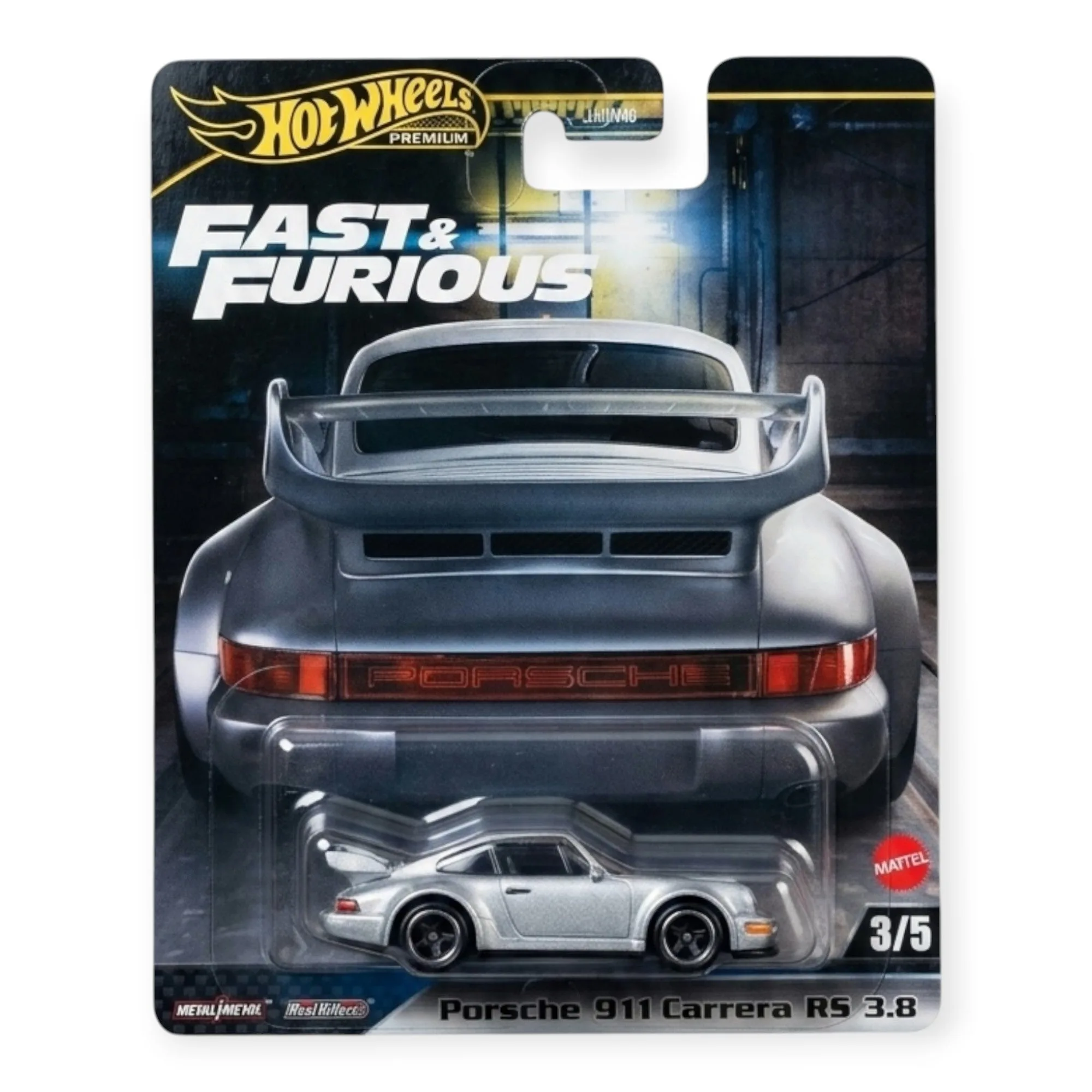
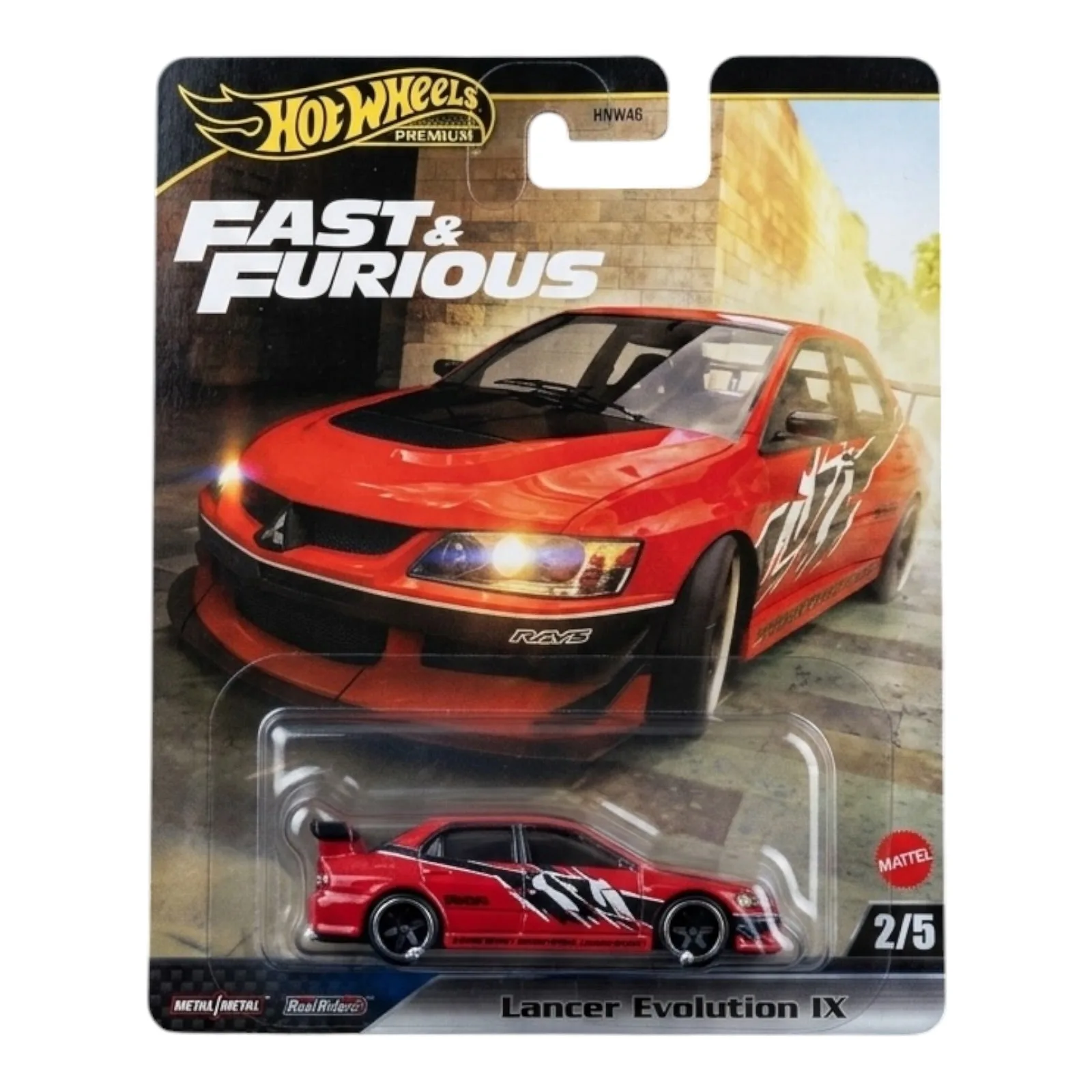
- Buy your anchors first: Start with one or two recognizable hero cars, such as the Hot Wheels Fast & Furious: 2003 Mitsubishi Lancer Evolution IX or the Porsche 911 Carrera RS 3.8, then build around them. Checkpoint: anchors should be the cars you would keep if you stopped collecting tomorrow.
- Inspect the card before checkout: Look for creases, bent corners, and lifted blisters. Card condition affects both display and resale appeal, and store shelves are where most damage happens. Checkpoint: reject any card with a visible crease on the front.
- Decide carded or opened per car: Do not open a car you plan to keep carded. If you want both, buy two and store the spare in a rigid protector away from sunlight. Checkpoint: one decision per car, not per collection.
- Fill gaps deliberately: Add supporting cars from the same film or era only after your anchors are in place. This prevents duplicate castings and impulse buys. Checkpoint: every new car should connect to an anchor.
- Display and maintain: Keep carded cars out of direct sun, dust with a soft dry brush or microfiber cloth, and rotate shelf positions periodically. Buy specific castings when you see them, since availability may vary. Checkpoint: schedule a quick dust and rotation every few months.
Fast & Furious cars to anchor your set
- Hot Wheels Fast & Furious: 2003 Mitsubishi Lancer Evolution IX: Collector-friendly die-cast vehicle with display-ready detail, built for Hot Wheels collectors, die-cast fans, car enthusiasts, and gift buyers. A recognizable movie hero car that works as a centerpiece for a Fast & Furious shelf or as a first purchase.
- Hot Wheels Fast & Furious: Porsche 911 Carrera RS 3.8: Collector-friendly die-cast vehicle with display-ready detail, part of the Fast & Furious line. A Porsche casting broadens the set beyond JDM cars, so it suits collectors who want variety on the shelf.
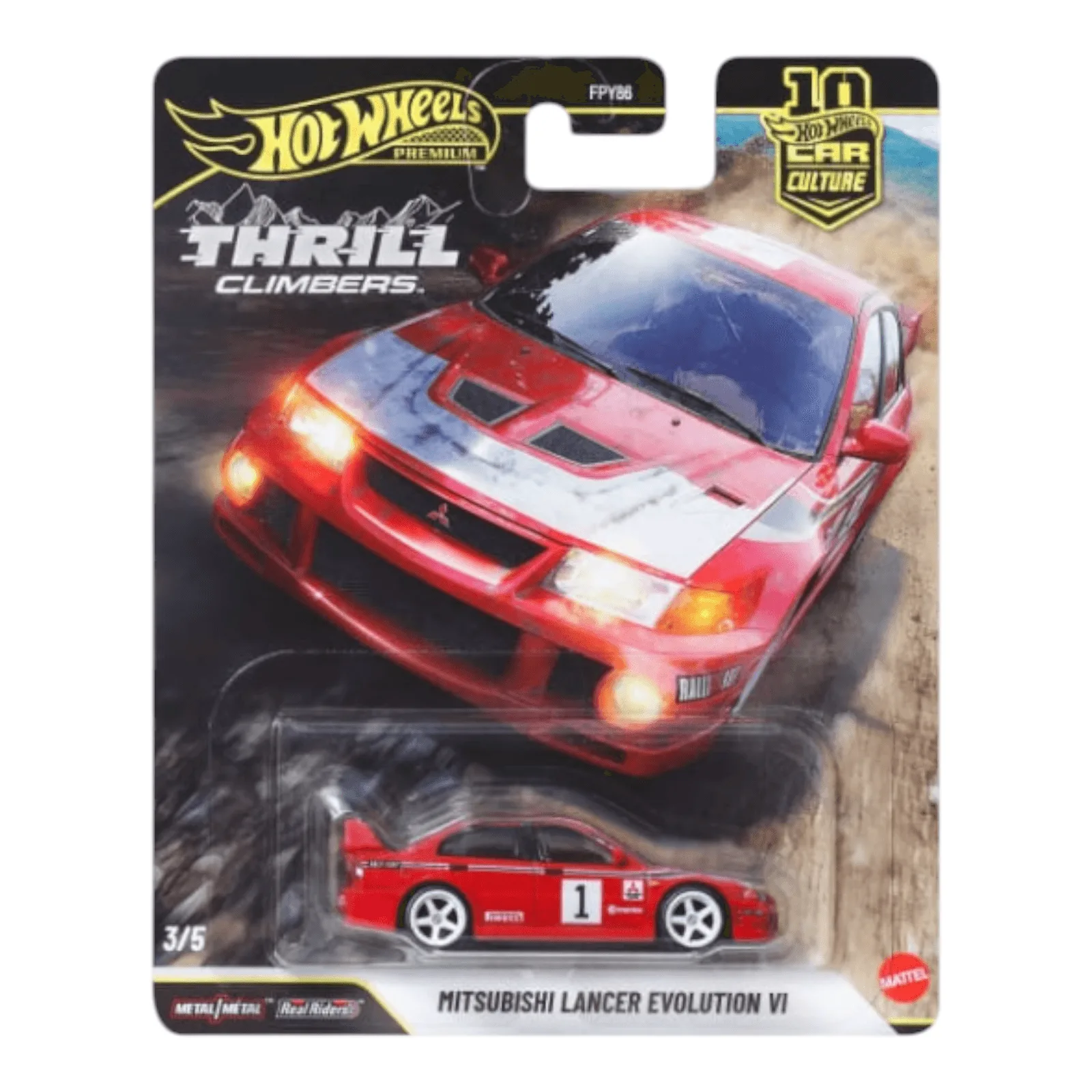
- Hot Wheels Mitsubishi Lancer Evolution VI: Collector-friendly die-cast vehicle with detailed styling and display-ready appeal for Hot Wheels fans and die-cast collectors. A strong companion to the Lancer Evolution IX if you are building a Mitsubishi-focused subset.