Cleansing your face might seem straightforward, but doing it correctly can make a world of difference for your skin. Whether you're a skincare newbie or a seasoned enthusiast, mastering the art of facial cleansing is the foundation of any effective routine. In this step-by-step guide, we'll walk you through the proper way to wash your face, including the double cleanse method, how to choose the right cleanser, and tips to avoid common mistakes.
From removing makeup and sunscreen to prepping your skin for serums and moisturizers, a good cleanse sets the stage for everything that follows. Let's dive into the essential steps for a thorough yet gentle face wash routine that leaves your skin clean, balanced, and glowing.
Why Proper Cleansing Matters
Your skin accumulates dirt, oil, sweat, makeup, and environmental pollutants throughout the day. If not properly removed, these impurities can clog pores, lead to breakouts, and make your skin look dull. Moreover, a clean canvas allows subsequent skincare products—like serums and moisturizers—to penetrate more effectively. Proper cleansing also helps maintain your skin's natural pH balance and microbiome, which are crucial for a healthy complexion.
Many people overlook the importance of technique. Scrubbing too hard, using water that's too hot, or choosing the wrong cleanser can strip your skin of its natural oils, causing irritation, dryness, or even increased oil production. By following the correct steps, you can avoid these pitfalls and enjoy a refreshed, radiant complexion.
- Removes impurities without stripping natural oils
- Prepares skin for better absorption of treatments
- Supports a balanced skin microbiome
Step 1: Remove Makeup and Sunscreen (First Cleanse)
If you wear makeup or waterproof sunscreen, start with an oil-based cleanser or micellar water to break down these products. This first cleanse, often called the 'pre-cleanse,' ensures that heavy layers are dissolved before you move to a water-based cleanser. Apply the oil cleanser to dry skin, massage gently, then emulsify with a little water and rinse thoroughly.
For those who prefer a gentle yet effective option, the pH-In The Cleanser is a fantastic choice for both steps if you don't wear heavy makeup. However, for a dedicated first cleanse, consider a balm or oil. The key is to be gentle—no harsh rubbing—and to avoid the eye area unless using a product specifically designed for eyes.
- Use oil-based cleanser on dry skin
- Massage for 30-60 seconds to dissolve makeup
- Rinse with lukewarm water
Step 2: Water-Based Cleanser (Second Cleanse)
After removing makeup, it's time for a water-based cleanser to wash away remaining impurities, sweat, and excess oil. This step is crucial for deep pore cleansing without stripping the skin. Choose a gentle, pH-balanced cleanser that matches your skin type. For instance, a foaming cleanser works well for oily skin, while a cream or gel cleanser suits dry or sensitive skin.
The pH-In The Cleanser is an excellent option as it is formulated to respect your skin's natural pH, helping to maintain a healthy microbiome. Squeeze a pea-sized amount, lather in your hands, and apply to damp skin. Massage in circular motions for about 60 seconds, focusing on the T-zone and areas with congestion. Rinse thoroughly with lukewarm water and pat dry with a clean towel.
- Use a gentle, pH-balanced cleanser
- Massage for 60 seconds in circular motions
- Rinse with lukewarm water, not hot
Step 3: Double Cleanse (Optional but Recommended)
Double cleansing involves using an oil-based cleanser followed by a water-based one. This method is especially beneficial for those who wear heavy makeup, sunscreen, or live in polluted areas. It ensures that every trace of oil-based and water-based impurities is removed, leaving your skin perfectly clean without over-stripping.
Even if you don't wear makeup, double cleansing can be helpful for removing sunscreen or excess sebum. However, if your skin is very dry or sensitive, you may skip the first step on days when you haven't used heavy products. Listen to your skin and adjust accordingly.
- Ideal for makeup wearers and oily skin
- Oil cleanser first, then water-based cleanser
- Can be done once daily (PM) or as needed
Step 4: Pat Dry and Follow with Toner
After rinsing, gently pat your face dry with a soft, clean towel. Avoid rubbing, as this can cause irritation and micro-tears. Your skin should feel clean but not tight or dry. Immediately follow with a toner or essence to rebalance the skin's pH and prep for serums and moisturizers.
A good toner can also remove any residual traces of cleanser or hard water minerals. Look for alcohol-free formulas with soothing ingredients. This step helps your skin absorb subsequent products more effectively and enhances the overall efficacy of your routine.
- Pat dry—never rub
- Apply toner while skin is still slightly damp
- Lock in hydration with moisturizer
Common Cleansing Mistakes to Avoid
Many people unknowingly make mistakes that compromise their skin's health. Using water that is too hot can strip natural oils and cause redness. Over-cleansing (more than twice a day) can disrupt the skin barrier. Skipping the neck and jawline is another common oversight—these areas need cleansing too.
Also, avoid using harsh scrubs or cleansing brushes with vigorous pressure. Instead, opt for gentle exfoliation a few times a week with a product like the exfoliator II, which provides mild physical exfoliation without damaging the skin. Finally, always remove your cleanser thoroughly—residue can clog pores and cause breakouts.
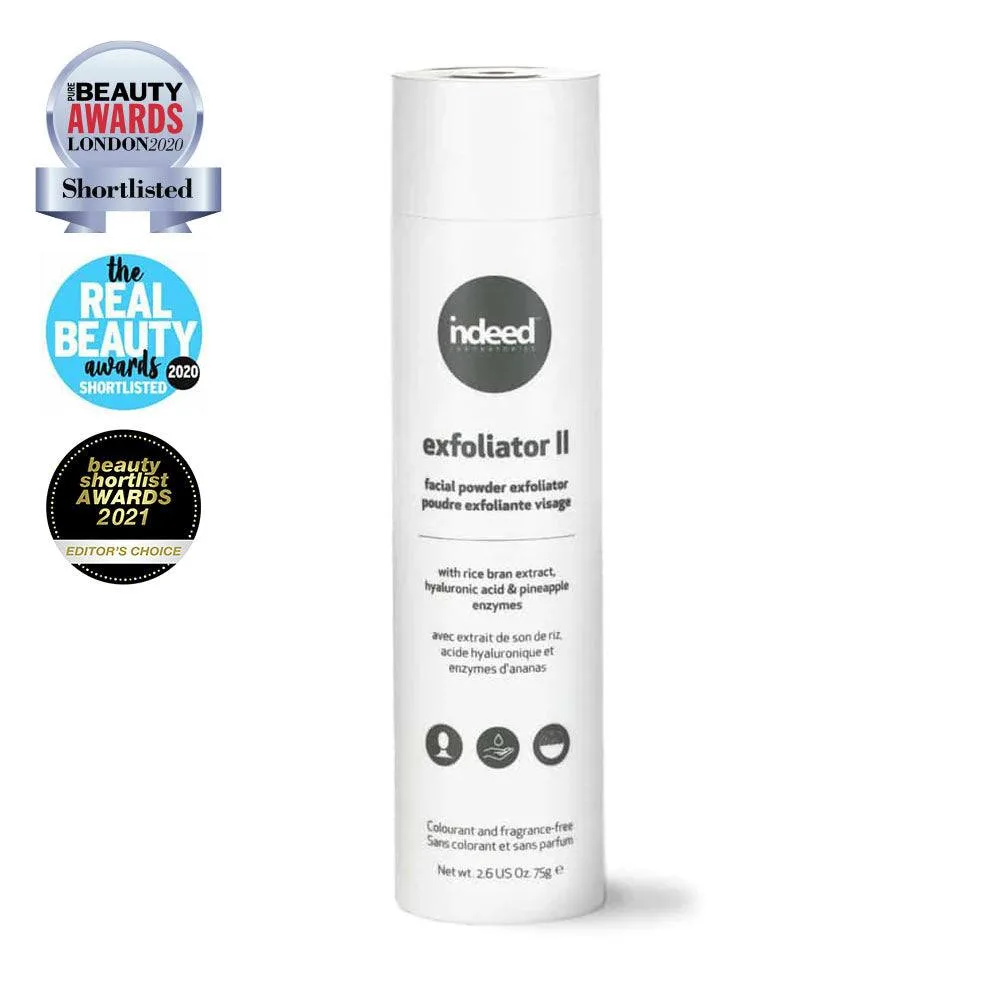
exfoliator II
- Use lukewarm water, not hot
- Cleanse no more than twice daily
- Don't forget your neck and jawline
Choosing the Right Cleanser for Your Skin Type
Selecting a cleanser that suits your skin type is essential. For oily or acne-prone skin, look for gel or foaming cleansers with salicylic acid or niacinamide. Dry skin benefits from cream or milk cleansers with hydrating ingredients like glycerin or ceramides. Sensitive skin should opt for fragrance-free, soothing formulas.
The pH-In The Cleanser is a versatile option that works for most skin types due to its balanced pH and gentle formula. It effectively cleanses without disrupting the skin's microbiome, making it a great staple for any face wash routine. Remember, the right cleanser should leave your skin feeling clean, comfortable, and ready for the next steps.
- Oily skin: gel or foaming cleansers
- Dry skin: cream or milk cleansers
- Sensitive skin: fragrance-free, gentle formulas
Mastering the proper way to cleanse your face is a game-changer for your skin health. By following these steps—double cleansing when needed, using the right technique, and choosing a pH-balanced cleanser like pH-In The Cleanser—you'll set the stage for a glowing complexion. Ready to upgrade your cleansing routine? Explore the pH-In The Cleanser and experience the difference a gentle, effective face wash can make.