Quick Answer
Foam rolling helps muscle recovery by applying gentle pressure to release tightness, improve blood flow, and reduce post-workout soreness. The right roller density and size matter for effective results.
Why Foam Rolling Works for Recovery
Foam rolling is a form of self-myofascial release that targets muscle knots and adhesions. The pressure from the roller helps break up tight spots, allowing muscles to relax and lengthen. This can reduce delayed onset muscle soreness (DOMS) and improve range of motion after intense exercise.
Consistent foam rolling also promotes circulation, which delivers oxygen and nutrients to tired muscles while flushing out metabolic waste. Many athletes use it as part of their cool-down routine to speed up recovery between sessions.
Choosing the Right Foam Roller Density
Foam rollers come in different densities, from soft EVA foam to firm, high-density options. A softer roller is better for beginners or sensitive areas, while a firmer roller provides deeper pressure for chronic tightness. If you are unsure, start with a medium-density roller and adjust based on comfort.
Common Questions About Foam Rolling for Recovery
How often should I foam roll for recovery?
You can foam roll daily, especially after workouts. Focus on each muscle group for 30–60 seconds. Avoid rolling over bones or joints, and stop if you feel sharp pain. Daily use is safe, but keep sessions short and listen to your body.
When is the best time to foam roll?
Foam rolling is most effective after a workout when muscles are warm. You can also use it on rest days to maintain flexibility and reduce stiffness. Avoid rolling on cold muscles without a brief warm-up. Post-workout is ideal; on rest days, warm up first.
Does foam rolling hurt?
Some discomfort is normal, especially on tight spots, but it should not be sharp or unbearable. If pain persists, ease up on pressure or switch to a softer roller. Over time, the sensation typically decreases as muscles release. Mild discomfort is expected; adjust pressure or roller density if pain is too intense.
Product Facts
-
EVA Foam Roller - Various Sizes: EVA foam gently compresses so you can moderate your desired massage pressure and reach medium-depth muscle tissue for relief. This makes it a good starting point for those new to foam rolling or who prefer a softer, more forgiving surface.
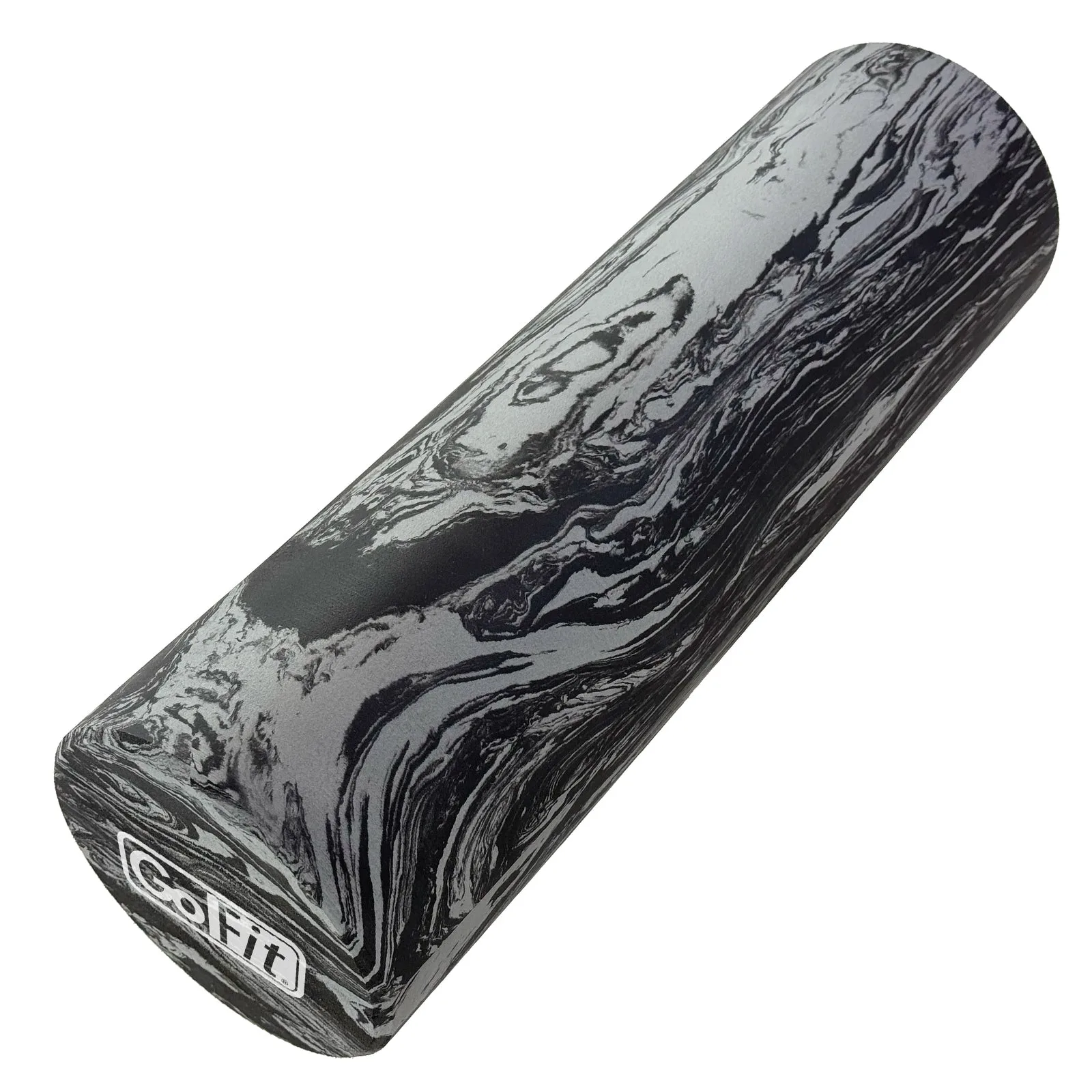
EVA Foam Roller - Various Sizes
-
Pro Foam Roll: Designed for deep tissue massage, this foam roll withstands heavy use and provides aggressive, deep-tissue massage therapy. If you need intense pressure to release stubborn knots or are an experienced user, this firmer option delivers the deeper work.
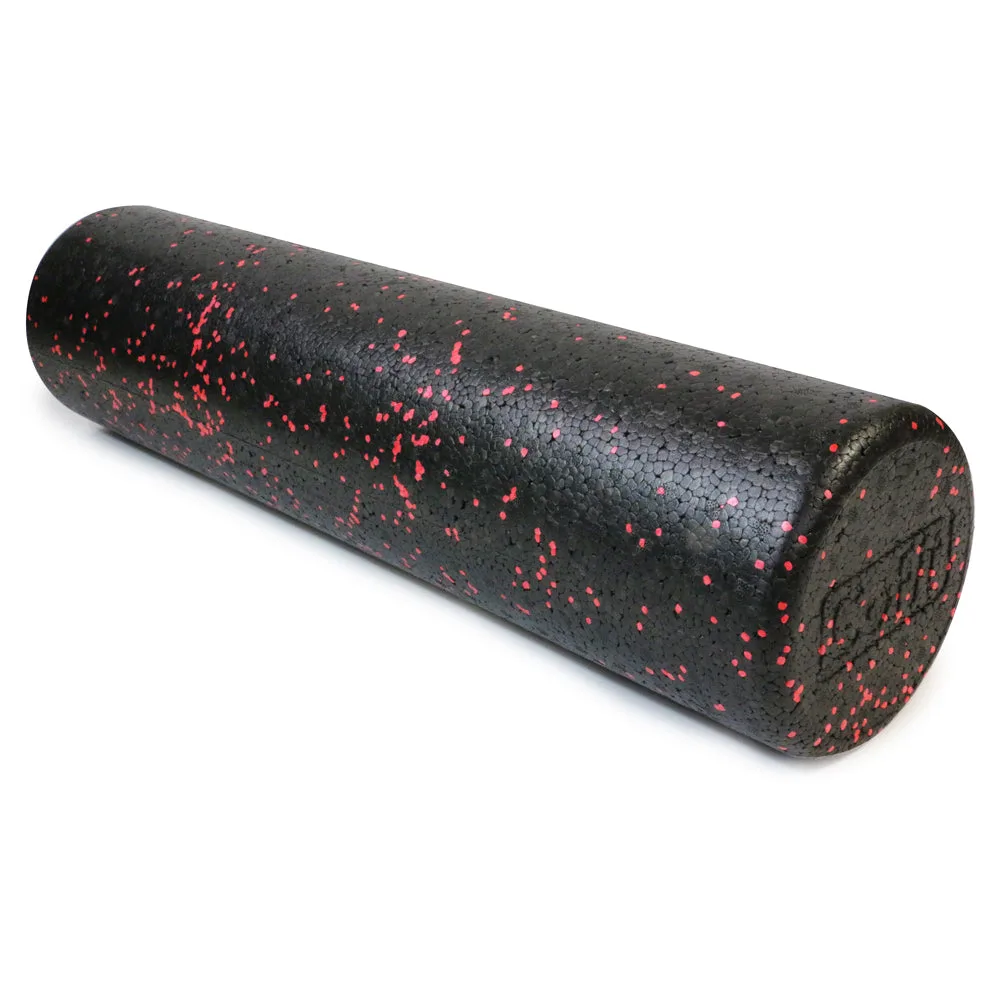
Pro Foam Roll