Quick answer
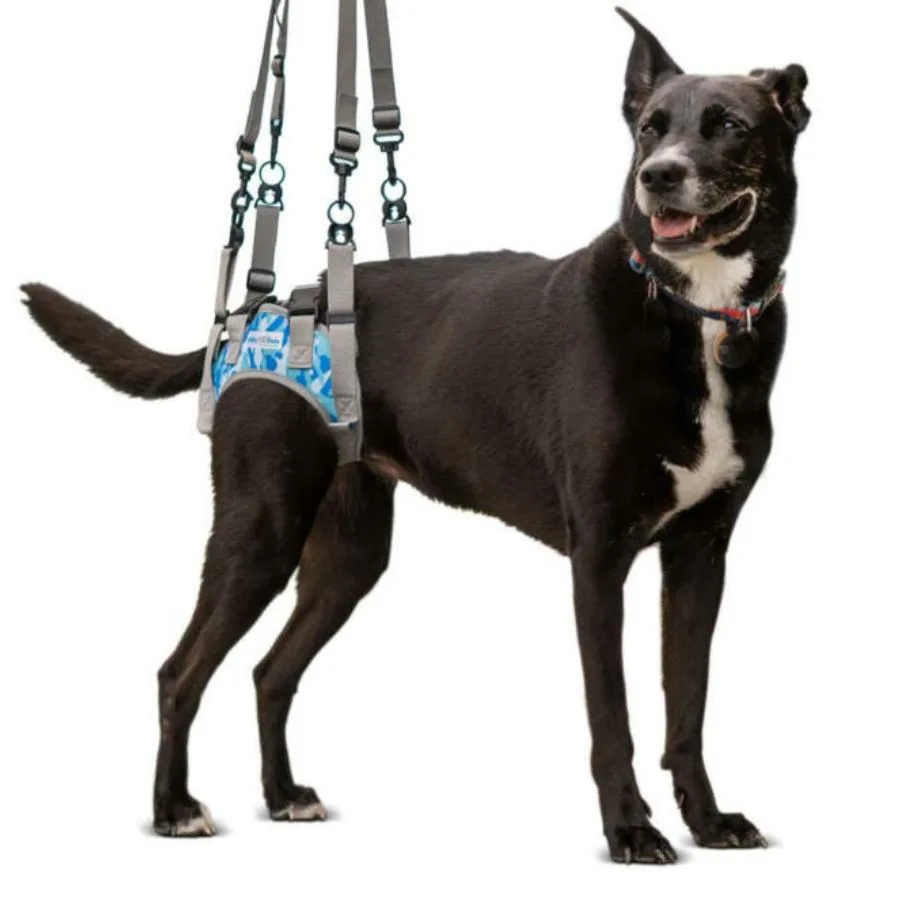
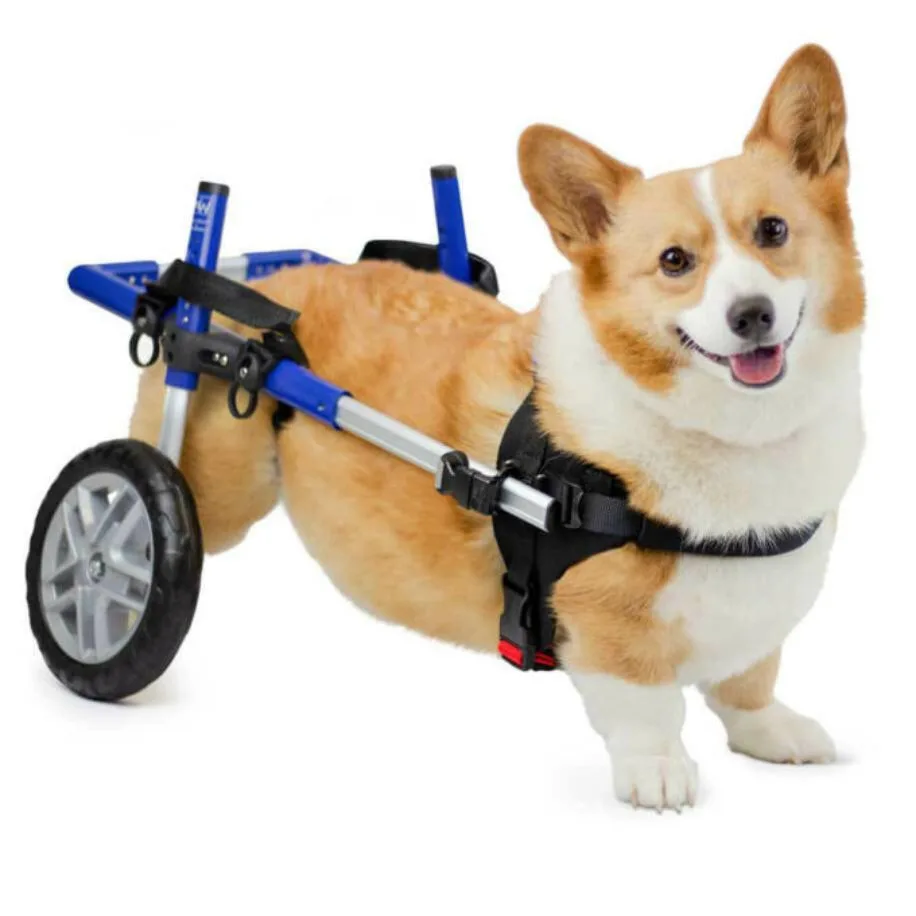
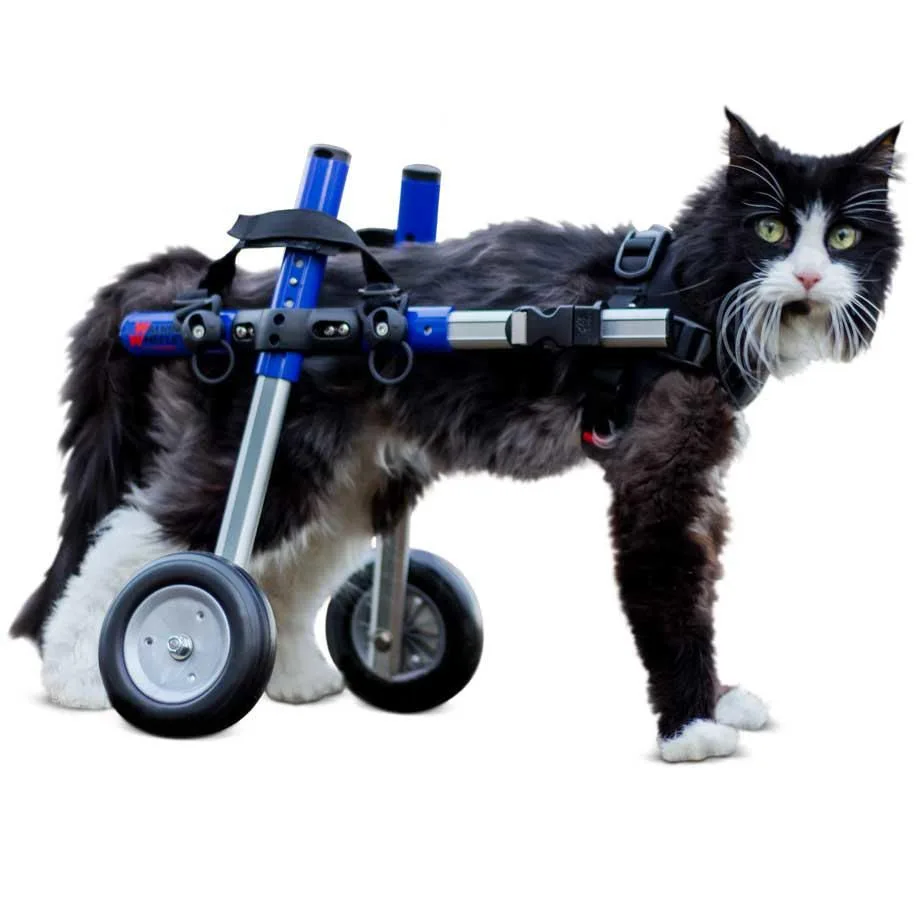
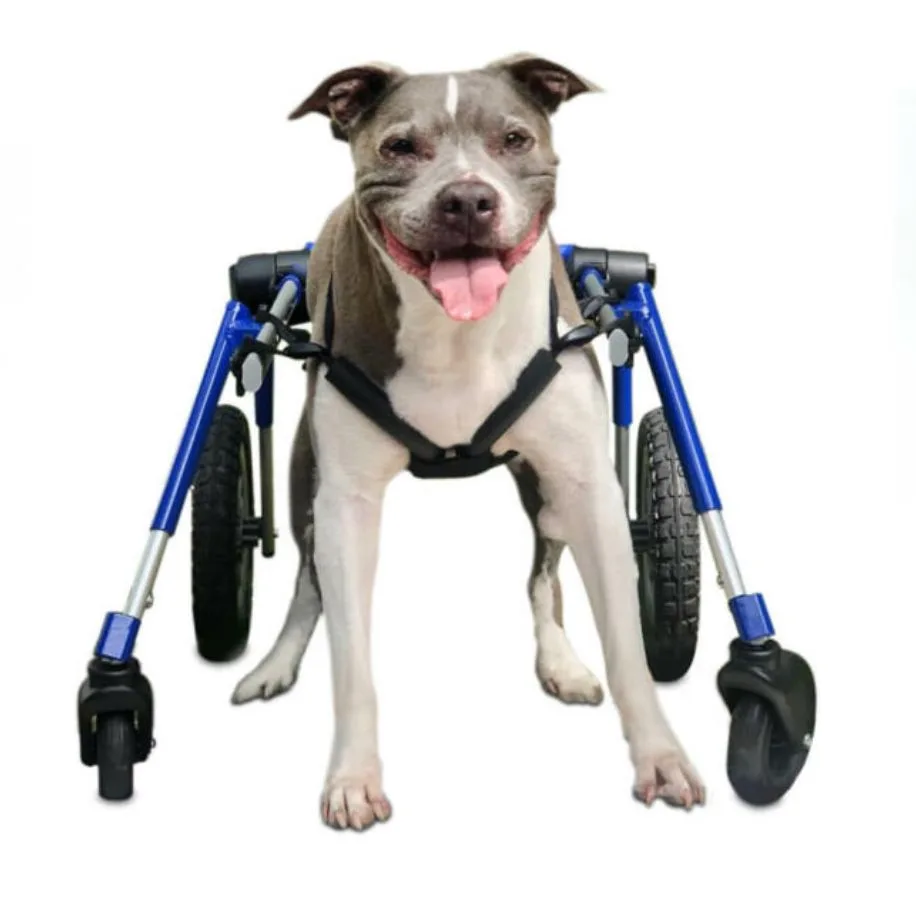
The free Warrior front harness is designed to work alongside a Walkin' Wheels rear wheelchair, supporting your dog's front end while the wheelchair handles the rear. Start by fitting the harness snugly around the chest, then attach the included connector straps to the wheelchair frame at a length that lets your dog stand naturally. Always check for rubbing and adjust before your first walk.
Why the front harness matters with a rear wheelchair
A rear wheelchair lifts and supports the hind legs, but it doesn't help a dog whose front legs are also weak or tired. The Warrior front harness takes pressure off the shoulders and chest, giving you a safe handle to guide or assist. It's especially useful for dogs with rear paralysis from IVDD or Degenerative Myelopathy who still have some front strength but need help balancing or steering. The harness also gives you a way to lift your dog into the wheelchair without pulling on the legs.
Choosing the right size and checking the fit
The Warrior harness comes in sizes that correspond to your dog's chest girth. Measure around the widest part of the ribcage, just behind the front legs. A properly fitted harness should sit high on the chest, not down near the armpits, and you should be able to slide two fingers under the straps. If the harness slides side to side when your dog walks, it's too loose; if it leaves red marks, it's too tight. The free harness is included with any rear wheelchair purchase, so you'll receive the correct size based on your wheelchair order.
Step-by-step: Putting on the harness and connecting to the wheelchair
Follow these steps each time you gear up. Work on a non-slip surface and have treats handy to keep your dog relaxed.
Common mistakes to avoid
Even with good intentions, small errors can make the harness uncomfortable or ineffective. Watch for these frequent problems:
- Putting the harness on backwards: The padded chest plate should rest on the breastbone, not behind the shoulders.
- Overtightening the girth: You need to be able to fit two fingers under the strap. If you can't, it's too tight and can restrict breathing.
- Connecting the straps too short: This lifts your dog's front feet off the ground. The straps should allow a natural stance with slight slack.
- Forgetting to check for rubbing: After the first few uses, inspect the armpits and chest for hair loss or redness. Adjust padding or strap position as needed.
- Using the harness as a full-body support: The Warrior harness is for front-end assistance only. It does not replace a rear wheelchair for dogs with hind leg weakness.
Step-by-step: Warrior front harness setup with your rear wheelchair
- Measure and select the harness size: Measure your dog's chest girth at the widest point behind the front legs. Compare to the size chart. The free Warrior harness is included with your rear wheelchair purchase, so confirm the size matches your wheelchair order. Checkpoint: The harness should sit high on the chest, not in the armpits.
- Put the harness on your dog: Slide the harness over your dog's head or step-in, depending on the style. The padded chest plate should rest on the breastbone. Adjust the girth strap so you can fit two fingers underneath. Mistake to avoid: Putting it on backwards or leaving it too loose so it shifts during walks.
- Attach the connector straps to the wheelchair: Use the included straps to connect the harness D-rings to the wheelchair frame. Start with a medium length, then adjust so your dog can stand with a natural posture. The straps should have slight slack, not be taut. Checkpoint: Your dog's front feet should rest flat on the ground, not dangle.
- Adjust for balance and comfort: With your dog in the wheelchair, watch them take a few steps. The harness should not pull up on the chest or restrict leg movement. If your dog leans to one side, adjust the strap lengths equally. Mistake to avoid: Making the straps too short, which lifts the front feet and causes strain.
- Do a final safety check: Check all buckles and straps for tightness. Ensure no straps are twisted or rubbing against the skin. Look for any gaps that could let a leg slip through. Do a short test walk on a non-slip surface. Next step: After the first few uses, recheck the fit as your dog gets used to the harness.
Product facts
- Walkin' Wheels MEDIUM Dog Wheelchair: The Walkin’ Wheels Medium dog wheelchair provides rear support for paralyzed and injured pets weighing between 26 to 49 lbs. If your dog is in this weight range and needs rear support, this wheelchair pairs with the free Warrior front harness for full-body assistance.
- Walkin' Wheels LARGE Dog Wheelchair: The Walkin’ Wheels Large dog wheelchair is built to support large or giant breed dogs to help them lead an active lifestyle, giving stability and rear support for exercise, bathroom breaks, and family time. Large breeds often need extra front-end help, and the Warrior harness gives you a safe handle to guide them without straining their neck or shoulders.
- Walkin' Wheels Med/Large Dog Wheelchair: The Walkin’ Wheels Medium/Large Dog Wheelchair supports medium-sized dog breeds between 50 to 69 lbs, ideal for dogs dealing with weakening back legs, difficulty walking, paralysis, cruciate injury, or neurological conditions. Dogs in this weight range can use the Warrior harness to keep their front legs steady while the wheelchair handles the rear, making daily walks easier.