When it comes to cutting household expenses, few changes are as simple and effective as switching to LED lighting. LEDs use up to 75% less energy than traditional incandescent bulbs and last 25 times longer, making them a cornerstone of any energy-saving strategy. But how exactly does LED energy efficiency translate into lower bills? This guide breaks down the science, the savings, and the smart choices you can make today.
Whether you're upgrading a single lamp or redesigning your entire home's lighting, understanding the impact of your choices can lead to significant annual savings. From the initial cost to long-term benefits, we'll explore why LED is the clear winner for your wallet and the environment.
LED vs Incandescent: The Energy Showdown
The most compelling reason to switch to LED is the dramatic reduction in energy consumption. A standard 60-watt incandescent bulb produces about 800 lumens, while an LED equivalent like the 11W 120V A19 E26 2700K Frosted LED Bulb delivers the same brightness using only 11 watts. That's an 82% reduction in power draw for the same light output. Over a year, one bulb can save roughly $5 to $10 on your electricity bill, depending on usage and local rates.
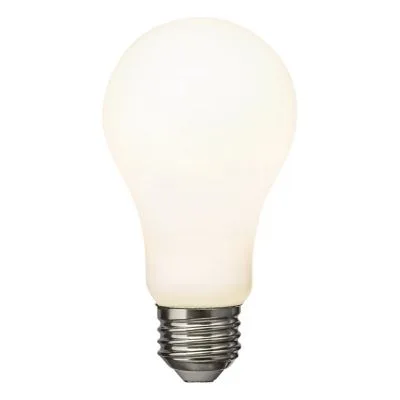
11W 120V A19 E26 2700K Frosted LED Bulb
Incandescent bulbs also waste most of their energy as heat, whereas LEDs stay cool and direct energy into light. This efficiency means not only lower lighting costs but also reduced cooling loads in warm climates. When you multiply this across every bulb in your home, the savings become substantial—often hundreds of dollars annually.
- LEDs use 75% less energy than incandescent bulbs.
- LEDs last 25 times longer, reducing replacement costs.
- Lower heat output reduces air conditioning expenses.
How LED Lighting Reduces Your Electricity Bill
The mechanism behind LED energy efficiency is simple: LEDs convert a higher percentage of electricity into light rather than heat. This means for every watt you pay for, you get more illumination. Additionally, LEDs are available in a range of color temperatures and dimming capabilities, allowing you to customize lighting to your needs and further reduce energy use with dimmers.
Pairing LEDs with smart controls, such as motion sensors or timers, amplifies savings. For example, the LED Motion Sensored Double Flood Light ensures outdoor lighting is only on when needed, eliminating wasted energy from leaving lights on all night. Similarly, using dimmer switches with compatible LEDs allows you to lower light output and energy consumption when full brightness isn't necessary.
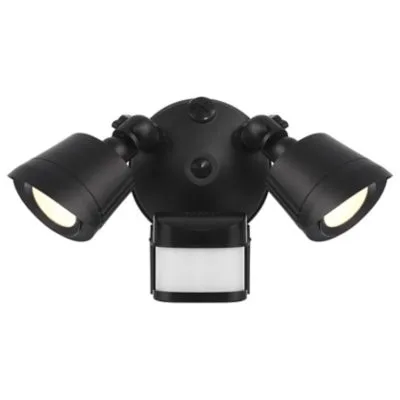
LED Motion Sensored Double Flood Light
To maximize savings, focus on the most-used fixtures first: living room lamps, kitchen ceiling lights, and outdoor security lights. Replacing just five of your most-used bulbs with LEDs can save about $75 per year.
- Use dimmers to reduce energy when full brightness isn't needed.
- Install motion sensors for outdoor lights to avoid all-night operation.
- Prioritize high-usage areas for the quickest return on investment.
Energy Star Lighting: The Gold Standard
When shopping for LED bulbs, look for the ENERGY STAR label. This certification ensures the product meets strict efficiency and performance guidelines set by the U.S. Environmental Protection Agency. ENERGY STAR LED bulbs use about 20-30% less energy than standard LEDs and are tested for color quality, light output, and longevity.
Choosing certified products also guarantees that you're getting the savings you expect. For instance, an ENERGY STAR-rated LED bulb can save about $55 in electricity costs over its lifetime compared to a non-certified model. Always check for the label to ensure you're investing in true energy-saving lighting.
Beyond Bulbs: Energy-Efficient Lighting Fixtures
Upgrading entire fixtures can also contribute to energy efficiency. Modern LED fixtures, such as the Circa LED Chandelier, combine stylish design with built-in LED technology, eliminating the need for separate bulbs and maximizing efficiency. Similarly, the Bola Sphere LED Globe Pendant offers a sleek, contemporary look while using a fraction of the energy of traditional pendant lights.
When choosing fixtures, consider the lumens per watt (efficacy) and whether the fixture is designed for LED use. Integrated LED fixtures often have longer lifespans and better thermal management, ensuring consistent performance and savings for years to come.
Practical Tips to Maximize Energy Savings
Making the switch to LED is just the first step. To truly reduce your electricity bill, adopt these habits: turn off lights when leaving a room, use natural light during the day, and clean your bulbs and fixtures regularly to maintain brightness. Dust and dirt can reduce light output, making you think you need more light than you actually do.
Also, consider the color temperature of your LEDs. Warmer tones (2700K) are ideal for living spaces, while cooler tones (5000K) are better for task lighting. Matching the right bulb to the right room ensures you get the light you need without over-lighting and wasting energy.
- Turn off lights when not in use.
- Utilize natural daylight whenever possible.
- Clean fixtures every few months to maintain efficiency.
- Match bulb color temperature to the room's function.
Switching to LED lighting is one of the most cost-effective energy upgrades you can make. By understanding LED energy efficiency and choosing the right bulbs and fixtures, you can significantly reduce your electricity bill while enjoying better quality light. Start with small changes—like replacing your most-used bulbs—and you'll see the difference in your next energy statement. Explore our selection of LED bulbs and fixtures to begin your journey toward a more efficient home.