When you invest in a high-quality water filter like LifeStraw, one of the most common questions is: How long does the filter actually last? Whether you use a portable straw for hiking, a gravity system for camping, or a home dispenser for daily drinking, understanding filter lifespan is key to ensuring you always have safe, clean water. LifeStraw filters are built to last, but they don't last forever. In this guide, we'll break down the expected lifespan of different LifeStraw models, the factors that affect longevity, and practical tips for knowing when it's time for a replacement.
LifeStraw uses advanced hollow fiber membrane technology that physically removes bacteria, parasites, and microplastics. Unlike carbon filters that rely on chemical adsorption, LifeStraw's mechanical filtration doesn't get used up by contaminants—it clogs over time. That means the filter's lifespan is measured in gallons of water processed, not just months on a calendar. But with proper care and attention to usage, you can maximize the life of your filter and avoid unexpected failures in the field or at home.
LifeStraw Filter Lifespan by Model
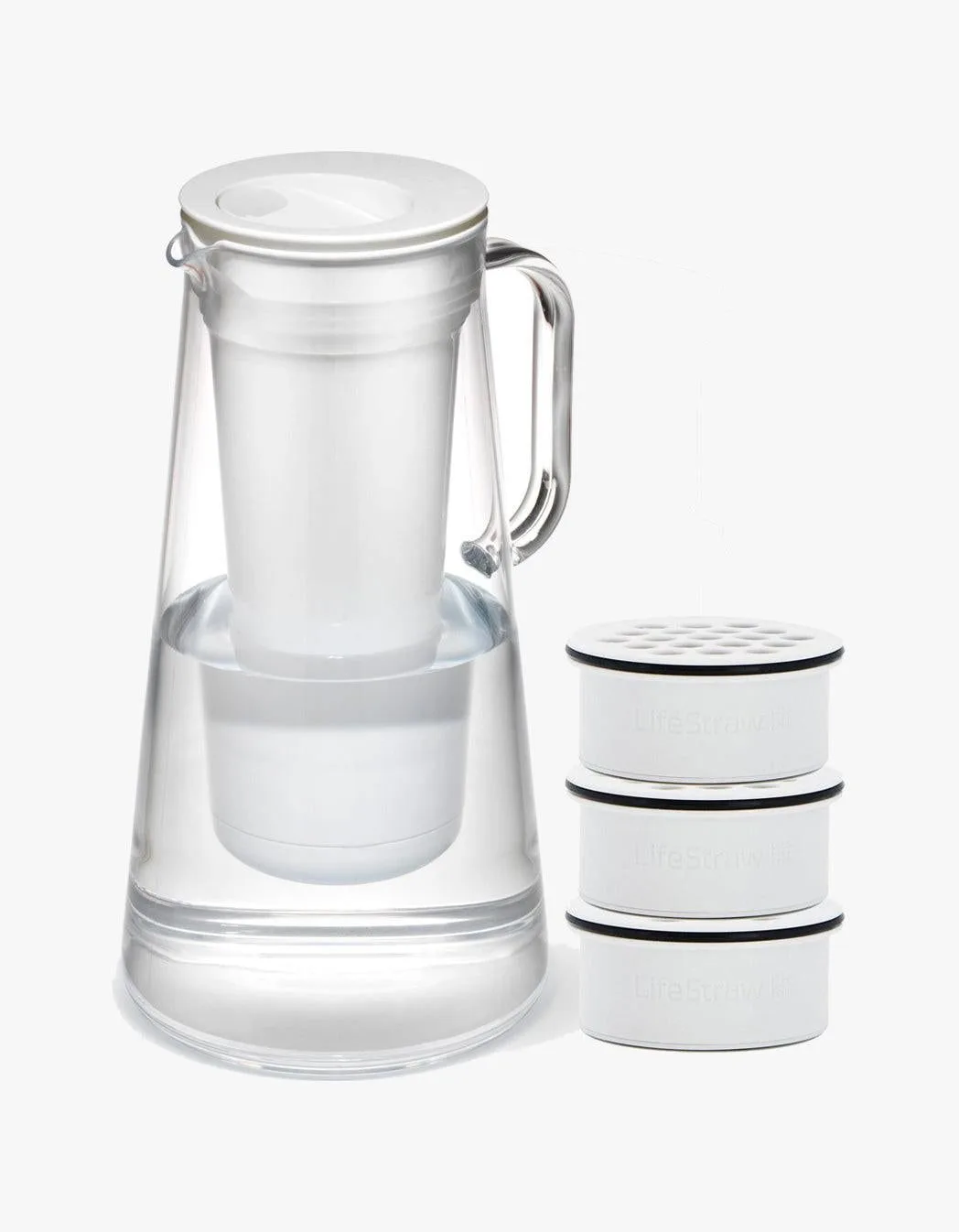
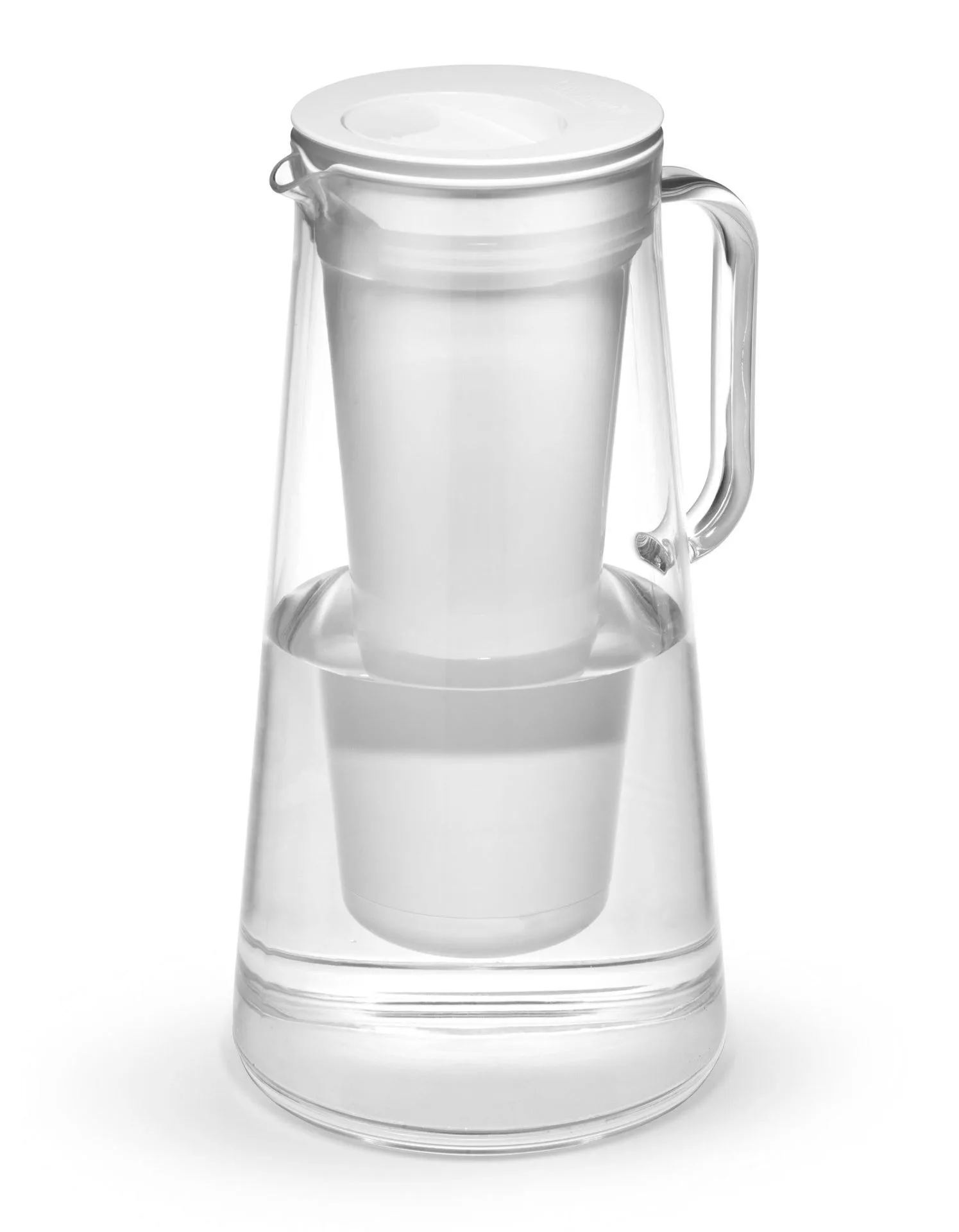
Different LifeStraw products have different filter capacities. The classic LifeStraw Personal Straw is rated for up to 1,000 gallons (4,000 liters) of water—enough for years of occasional use. The LifeStraw Go Series bottles, such as the LifeStraw Go Series 22 oz, use a similar membrane filter that also lasts up to 1,000 gallons, depending on water quality. For home use, the LifeStraw Home Dispenser uses a different filter technology (activated carbon and ion exchange) that typically lasts about 40 gallons or 2 months, with a subscription available for easy replacement.
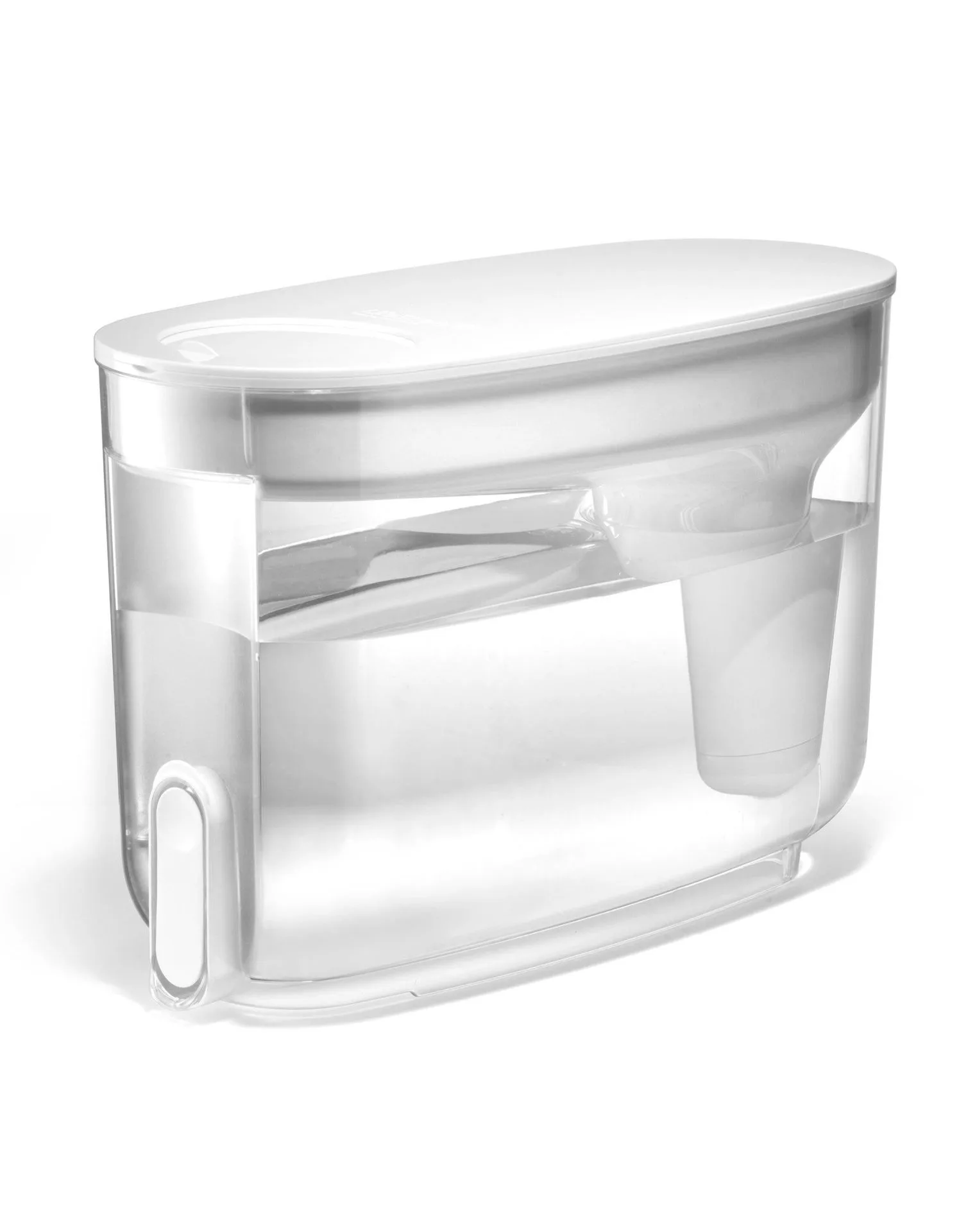
LifeStraw Home Dispenser
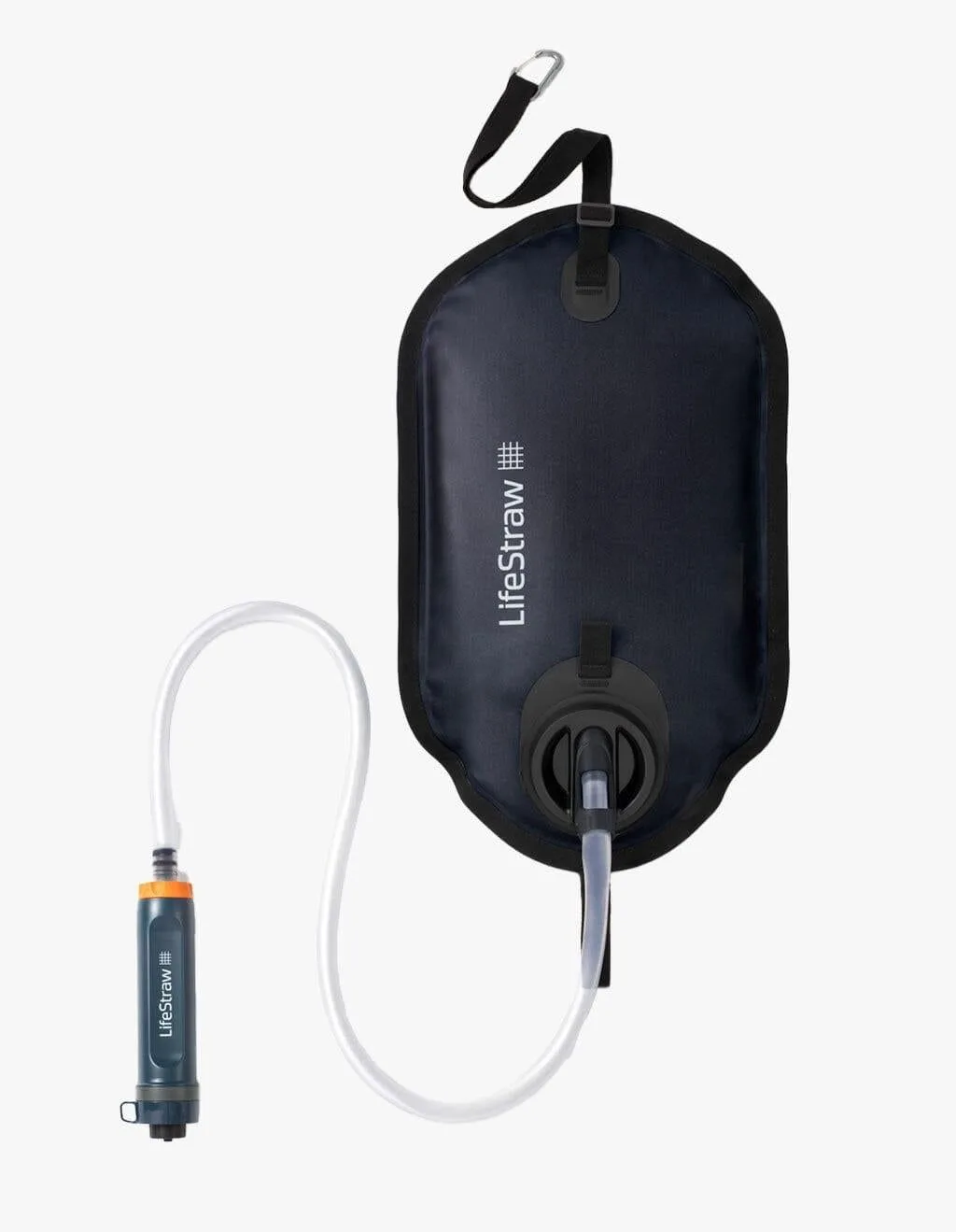
For gravity systems, the LifeStraw Peak Series Gravity Filter System – 3L uses a hollow fiber membrane rated for 1,000 gallons. This makes it ideal for group camping or emergency preparedness. The Peak Series Solo straw is also rated for 1,000 gallons. Always check the product specifications because some models, like the LifeStraw Go Series Tumbler 18 oz, share the same filter cartridge as the Go Series bottles. Knowing your model's capacity helps you plan replacements and avoid using a filter past its prime.
- LifeStraw Personal Straw: up to 1,000 gallons
- LifeStraw Go Series (bottles and tumblers): up to 1,000 gallons
- LifeStraw Home Dispenser: about 40 gallons or 2 months
- LifeStraw Peak Series Gravity Filter System – 3L: up to 1,000 gallons
Factors That Affect Filter Longevity
The biggest factor determining how long your LifeStraw filter lasts is the quality of the water you're filtering. Clear, relatively clean water from streams or taps will allow the filter to reach its full rated capacity. Murky, muddy, or silt-heavy water can clog the membrane much faster, reducing lifespan to as little as 100 gallons. Pre-filtering with a cloth or letting sediment settle can help extend filter life. Additionally, freezing temperatures can damage the hollow fibers, so always store your filter in a frost-free environment.
Frequency of use also matters. A filter used daily will naturally reach its capacity sooner than one used only on weekend hikes. However, even infrequent use can lead to bacterial growth inside the filter if it's not properly dried and stored. LifeStraw recommends backflushing (for some models) or simply blowing air through the straw to clear moisture. For home models like the LifeStraw Home Dispenser, the filter is designed for continuous use and should be replaced on schedule regardless of water volume to prevent bacterial buildup.
- Water clarity: clear water extends filter life; muddy water reduces it
- Freezing: avoid freezing temperatures to prevent fiber damage
- Storage: dry the filter between uses to inhibit bacterial growth
- Usage frequency: daily use means faster capacity depletion
Signs It's Time to Replace Your LifeStraw Filter
The most obvious sign that your LifeStraw filter needs replacement is a noticeable decrease in flow rate. If you have to suck harder to get water through a straw or gravity system drips slowly, the membrane is likely clogged. For the LifeStraw Go Series 22 oz, if you notice the water tastes different or has an odor, it may indicate that the filter is saturated with contaminants or that bacteria have started to grow. While the hollow fiber membrane removes pathogens, it doesn't remove dissolved chemicals or improve taste—so taste changes could also mean the water source has changed.
Another sign is if you've exceeded the recommended gallon capacity. Keep a log or use the LifeStraw app (if available) to track usage. For home dispensers, the filter's indicator light or subscription reminder will tell you when to swap it out. Never wait until the filter stops working entirely, as that could mean you've been drinking unfiltered water. If you notice any cracks, leaks, or physical damage to the filter housing, replace it immediately. Safety first—always err on the side of caution.
- Reduced flow rate: harder to draw water or slower gravity drip
- Unusual taste or odor: possible bacterial growth or contaminant breakthrough
- Exceeded rated capacity: track gallons or months of use
- Physical damage: cracks, leaks, or broken housing
Maintenance Tips to Extend Filter Life
Proper maintenance can help you get the most out of your LifeStraw filter. For portable straws and bottles, after each use, blow air back through the mouthpiece to expel excess water. Store the filter in a cool, dry place. For gravity systems, backflushing with clean water every few uses can clear trapped particles. The LifeStraw Peak Series Gravity Filter System – 3L includes a backflushing syringe for this purpose. For home dispensers, simply follow the manufacturer's instructions and replace the filter on schedule.
Avoid filtering water that is heavily contaminated with chemicals, oil, or saltwater—LifeStraw filters are designed for biological contaminants only. If you're using the filter in a very dirty water source, consider pre-filtering through a cloth or coffee filter. Also, never use bleach or harsh chemicals to clean the filter, as they can damage the membrane. For long-term storage, ensure the filter is completely dry to prevent mold. A well-maintained LifeStraw can last its full rated lifespan and provide reliable protection.
- Backflush gravity filters after use to remove sediment
- Blow air through straws and bottles to dry the membrane
- Pre-filter dirty water to reduce clogging
- Store in a dry, frost-free location
Replacement Schedules and Where to Buy
Knowing when to replace your filter is just as important as knowing how to use it. For LifeStraw Go Series bottles and straws, plan to replace the filter after 1,000 gallons or if flow slows significantly. For the LifeStraw Home Dispenser, the filter should be replaced every 2 months or 40 gallons—whichever comes first. LifeStraw offers a convenient Subscription for LifeStraw Home Replacement Filters so you never forget. For other models, replacement cartridges are available separately.
Always buy genuine LifeStraw replacement filters to ensure compatibility and performance. Counterfeit filters may not meet safety standards. Check the product page for your specific model to find the correct replacement. For example, the LifeStraw Go Series Stainless Steel 1L uses the same filter as other Go Series bottles. Keeping a spare filter on hand is a good idea, especially for emergency kits or long trips. With the right replacement schedule, you can enjoy clean water for years.
- Go Series and Peak Series: replace after 1,000 gallons or when flow slows
- Home Dispenser: replace every 2 months or 40 gallons
- Use subscription services for automatic delivery
- Always buy genuine LifeStraw replacements
Understanding your LifeStraw filter's lifespan and knowing the signs of wear will keep your water safe and your adventures worry-free. Whether you're using a portable straw for hiking or a home dispenser for daily hydration, regular maintenance and timely replacement are essential. Ready to ensure you always have clean water? Check out the LifeStraw Go Series 22 oz for a reliable, long-lasting filter bottle that's perfect for on-the-go use.