Quick answer
There is no single correct eitech screw count, because it depends on the model, its size, and how many parts overlap at each joint. A practical starting estimate is one screw per fastened joint, plus roughly 10 to 15 percent extra for joints that need two fasteners or a redo. Count joints in the instructions first, then order fasteners and small parts together so you are not stopped halfway.
Most eitech builds do not fail because of a missing skill. They stall because the builder runs out of screws at step 14 of 20, or because a joint that looked like one screw actually needs two. Estimating the eitech screw count before you open the first bag saves a second order and a lot of patience.
This guide walks through a repeatable planning process: read the plan, count joints, estimate fasteners, check the small parts that screws pass through, and keep a sensible buffer. It is written for builders working from eitech sets, Manufaktur components, or a mix of both.
Start with the joint, not the screw
Screws do not exist on their own in an eitech model. Every screw closes a joint between two or more parts, so the joint is the unit you should count. Go through the instructions and mark each place where two plates, bars, or brackets meet and are held together. That number, not the number of parts in the bag, is the base of your eitech screw estimate.
A common mistake is counting parts instead of joints. A flat bar with 11 holes does not need 11 screws; it may need two or three where it connects to the frame. Counting holes inflates your estimate and hides the joints that genuinely need extra fasteners.
- Mark each joint in the plan with a pencil or a note before you count anything.
- Treat every joint as at least one screw, then flag the ones that clearly need two.
Add fasteners for stacked and load-bearing joints
Some joints carry more than others. Where three parts stack, where a moving axle passes through a frame, or where a long bar spans a gap, a single screw can let the parts rotate or shift. These joints usually need a second fastener to stay square. Walk through your marked list and add one extra screw for each stacked or load-bearing connection.
This is where eitech build planning pays off. If you know a model has a long unsupported span, plan the fasteners for it before you build, not after the frame twists. The same logic applies to any joint you expect to loosen and retighten during assembly.
- Double up on joints where three or more parts meet.
- Double up on joints near axles, wheels, and any part that moves.
Check the parts the screws pass through
A screw is only useful if the parts around it fit. In eitech builds, small components such as hubs and adapters decide whether a joint can be closed at all. The eitech Hub for gear 5.7 mm round hole M4, red is made for gears with a 5.7 mm round hole and M4 mounting, so it belongs in your plan wherever a gear has to be fixed to a shaft. If that hub is missing, no number of screws will complete the joint.
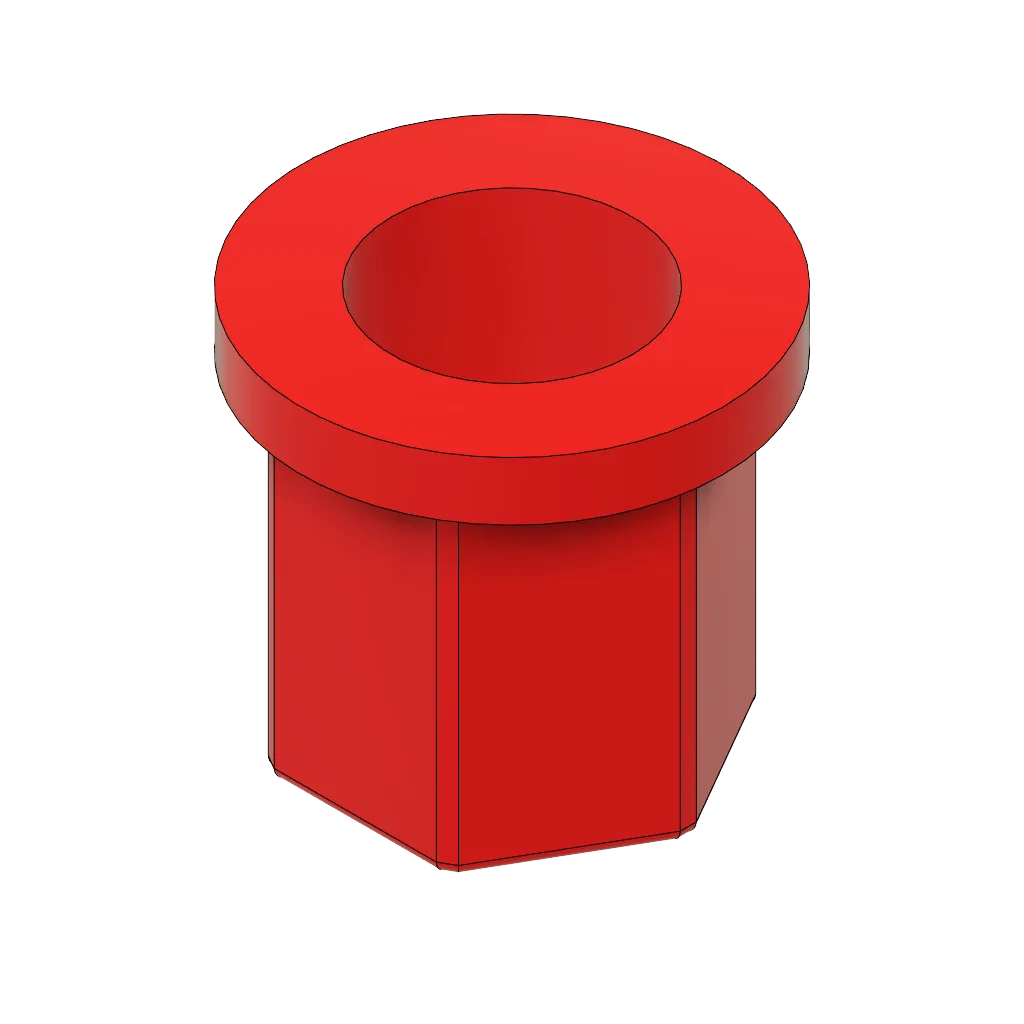
Hub for gear 5.7 mm round hole M4, red
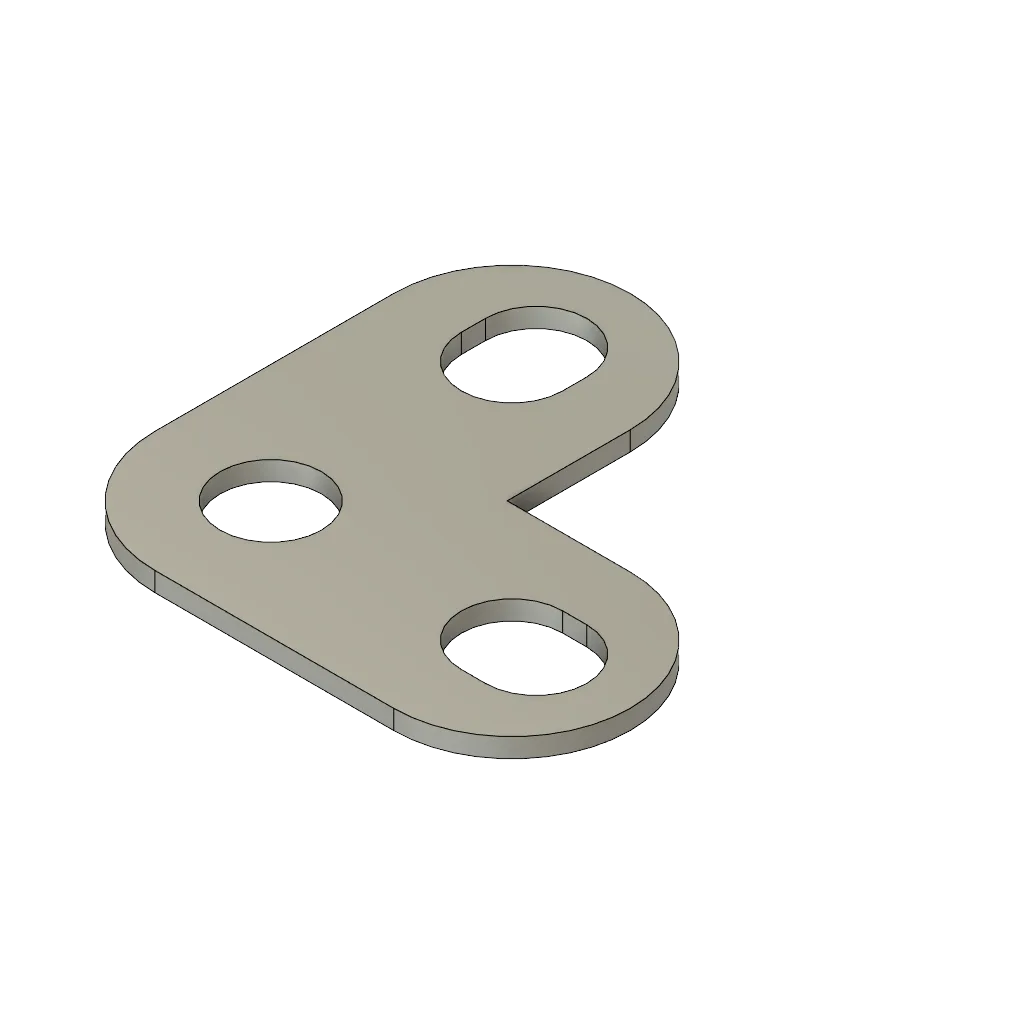
The eitech https://eitecheg.com/products/flachwinkel-adapter-f8872e92c5d7ea37d9588db6-1568761Flat angle adapter solves a different planning problem: it adapts centimetre-based eitech components to inch-based parts from other manufacturers. If your build mixes systems, include adapters in the same count as your fasteners, because each adapter adds a connection point that needs its own screw.
- List the hubs, adapters, and brackets each joint depends on before ordering screws.
- If a part is out of stock, note the joint it blocks so you can build around it.
Build in a buffer, but keep it honest
A buffer of 10 to 15 percent over your joint count covers the realistic losses: a screw dropped on the floor, a joint that needs one more fastener than the plan suggested, or a mistake you undo and rebuild. For a model with 100 joints, that means roughly 110 to 115 screws. It is a working number, not a guarantee, and it should shrink as your estimates get better.
Small fasteners are inexpensive, which makes a modest buffer cheap insurance. The eitech Screw module M1 is a Standard Manufaktur component, item code 01458, and it is the kind of part worth adding a few extra of when you order. The tradeoff is storage: too large a buffer becomes clutter, so keep the surplus in one labelled container rather than loose in the box.
- Round your buffer up to a sensible pack size rather than ordering odd singles.
- Keep spare fasteners together so the next build starts with a known quantity.
Your seven-step screw planning routine
- 1. Read the whole plan first: Skim every step before counting anything so you understand how the frame, axles, and panels connect. Checkpoint: if the plan is unclear, find a clearer view of the finished model before you estimate.
- 2. Mark every joint: Go step by step and mark each point where two or more parts are fastened together. Common mistake: counting holes or parts instead of joints, which inflates the total.
- 3. Flag joints that need two screws: Add a second fastener wherever three parts stack, a bar spans a gap, or the joint sits near an axle or wheel. Checkpoint: moving parts should never rely on a single screw.
- 4. List the small parts each joint needs: Note hubs, adapters, and brackets such as the eitech Hub for gear 5.7 mm round hole M4, red or the eitech Flat angle adapter. Common mistake: ordering screws but forgetting the part the screw passes through.
- 5. Add a 10 to 15 percent buffer: Multiply your joint count by 1.1 to 1.15 and round up to a sensible pack size. Checkpoint: the buffer covers drops and rebuilds, not a second model.
- 6. Order fasteners and small parts together: Place one order that includes the eitech Screw module M1 and any hubs or adapters your plan depends on. Common mistake: splitting the order and paying twice for shipping.
- 7. Store the surplus in one place: Keep leftover fasteners in a single labelled container so the next eitech build starts with a known quantity. Next step: write the actual screw count on the plan for future reference.
Parts that affect your screw plan
- Screw module M1: The eitech Screw Module M1 is a Standard Manufaktur component, item code 01458, from the eitech range. This is the fastener you are counting, so ordering it in a realistic quantity is the core of build planning.
- Hub for gear 5.7 mm round hole M4, red: The eitech Hub for gear 5.7 mm round hole M4 is a red component intended for gears with a 5.7 mm round hole and M4 mounting, part of the Manufaktur line. Gear joints need this hub before a screw can hold anything, so it belongs in the same count as your fasteners.
- Flat bar 11-hole - long hole: The eitech Flat bar 11-hole with long hole is a metal Manufaktur component measuring 110 mm by 10 mm, SKU 01008. Long bars create spans that usually need two fasteners per end, which changes your screw estimate.
- Flat angle adapter: The eitech Flat angle adapter converts centimetre components to inches, allowing eitech parts to combine with components from other manufacturers that do not use the metric system. Every adapter adds a connection point, so mixed-system builds need more screws than a pure eitech plan.
A good eitech screw count comes from counting joints, not guessing. Mark the connections, double the load-bearing ones, add a small buffer, and order the hubs and adapters in the same pass. Do that once and your next build will run from first step to last without a pause for parts.