Your pepper spray is a critical piece of your personal safety toolkit, but it only works if it's in good working condition. Many people buy a canister, toss it in a bag or purse, and forget about it until they need it—only to discover it's empty, expired, or clogged. That's a risk you can't afford to take. Regular testing ensures your spray is ready when you need it most.
In this guide, we'll cover why testing is essential, how often you should test your pepper spray, and step-by-step instructions to do it safely. We'll also discuss signs of expiration and how to properly store your spray to extend its lifespan.
Why Testing Your Pepper Spray Matters
Pepper spray is a chemical defense tool that relies on pressure and a functioning nozzle. Over time, the propellant can leak, the nozzle can clog, or the active ingredients can degrade. A canister that has been sitting in a hot car or a humid gym bag may lose pressure without any visible signs. Testing is the only way to know for sure that your spray will deploy.
Another critical reason to test is to familiarize yourself with your specific model. Each spray has a different safety mechanism, such as a twist lock or flip-top, and you need to know exactly how to activate it under stress. Regular practice with a practice spray canister builds muscle memory, so you don't fumble when it counts.
- Testing ensures the nozzle isn't clogged and the propellant is still pressurized.
- It helps you remember the activation mechanism, especially for quick-release keychain models.
How Often Should You Test Your Pepper Spray?
Most manufacturers recommend testing your pepper spray every 3 to 6 months. However, the exact frequency depends on the type of spray and how you store it. If you carry your spray daily, it's exposed to temperature changes and movement, which can affect its reliability. A monthly quick check of the pressure and nozzle is a good habit.
Additionally, you should test your spray immediately after purchasing it (using a practice canister if available) and after any event that could damage it, such as a drop or exposure to extreme heat. Remember that testing does reduce the contents slightly, so don't overdo it—just a quick burst is enough.
- Test every 3-6 months for general maintenance.
- Test after any drop or exposure to extreme temperatures.
- Use a practice spray canister for frequent training without wasting your actual defense spray.
Step-by-Step Guide to Testing Your Pepper Spray
Testing your pepper spray is simple, but you need to do it safely. Always test outdoors, away from people and pets, and never test indoors where the spray can contaminate surfaces. Point the nozzle downwind and away from your face. Most sprays have a safety mechanism that you must disengage before pressing the actuator.
To test, aim at a non-porous surface like the ground or a piece of cardboard, and depress the actuator for about 1-2 seconds. You should see a strong, steady stream or fog, depending on the type. If the spray sputters, leaks, or fails to come out, it's time to replace the canister. For gel-based sprays, check that the gel shoots in a consistent stream, not a dribble.
- Always test outdoors in a well-ventilated area.
- Check for a strong, consistent stream or fog.
- If the spray sputters or leaks, replace it immediately.
Signs Your Pepper Spray Is Expired or Faulty
Most pepper sprays have an expiration date printed on the canister, typically 2-4 years from the manufacturing date. However, even before that date, the spray may become less effective if not stored properly. Signs of expiration include a weak spray, a change in color or odor, or a canister that feels lighter than expected.
If you notice any of these signs, replace your spray immediately. Don't take chances—an expired canister may not have the stopping power you need. Also, check the pressure by shaking the canister; you should feel the liquid sloshing. If it feels empty, it's time for a new one.
- Check the expiration date on the canister.
- Look for changes in color, odor, or pressure.
- If the canister feels light, it may be leaking.
How to Properly Store Your Pepper Spray
Proper storage extends the life of your pepper spray. Keep it in a cool, dry place away from direct sunlight and extreme temperatures. Avoid leaving it in a car during hot summer months, as heat can cause pressure buildup and reduce effectiveness. Also, keep it out of reach of children and pets.
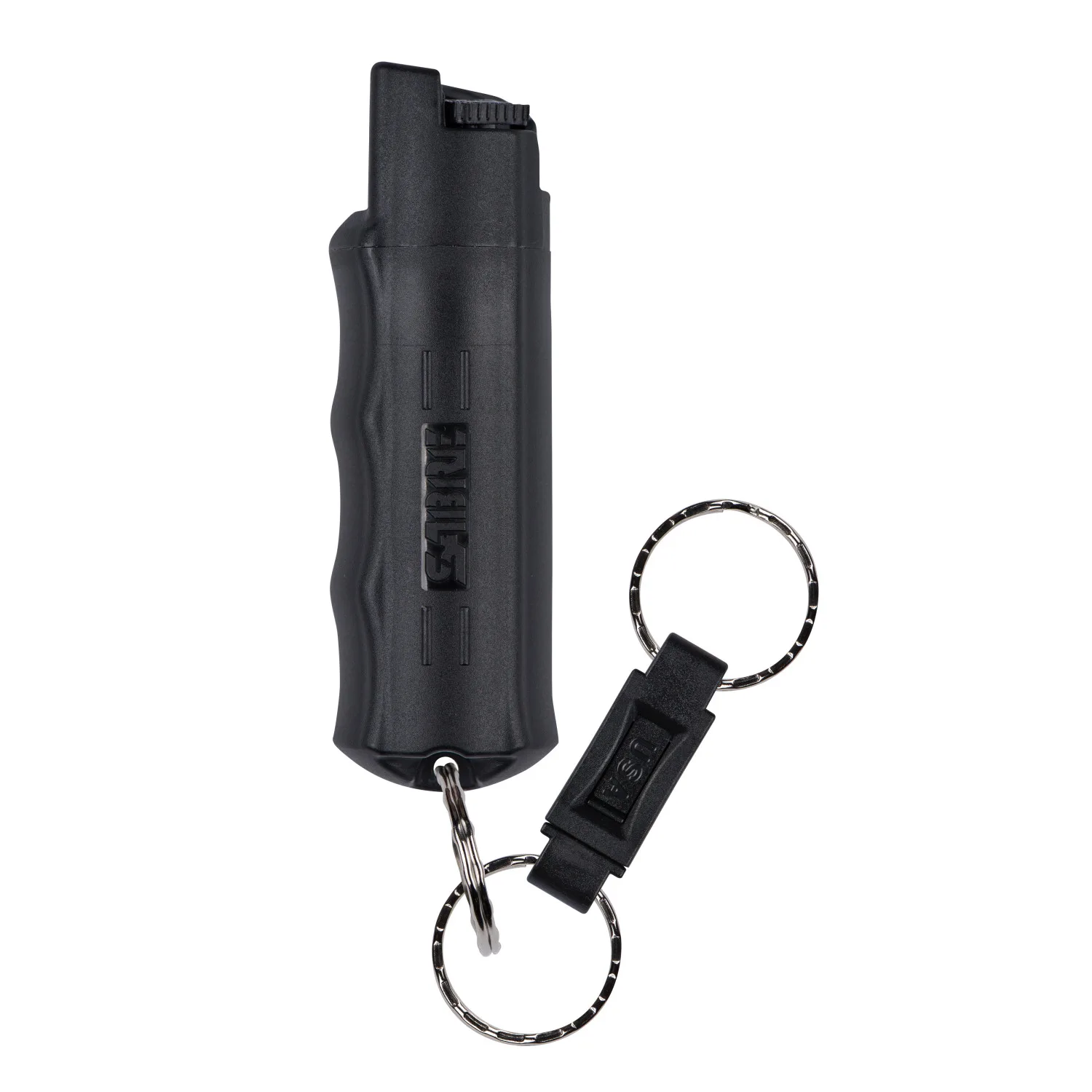
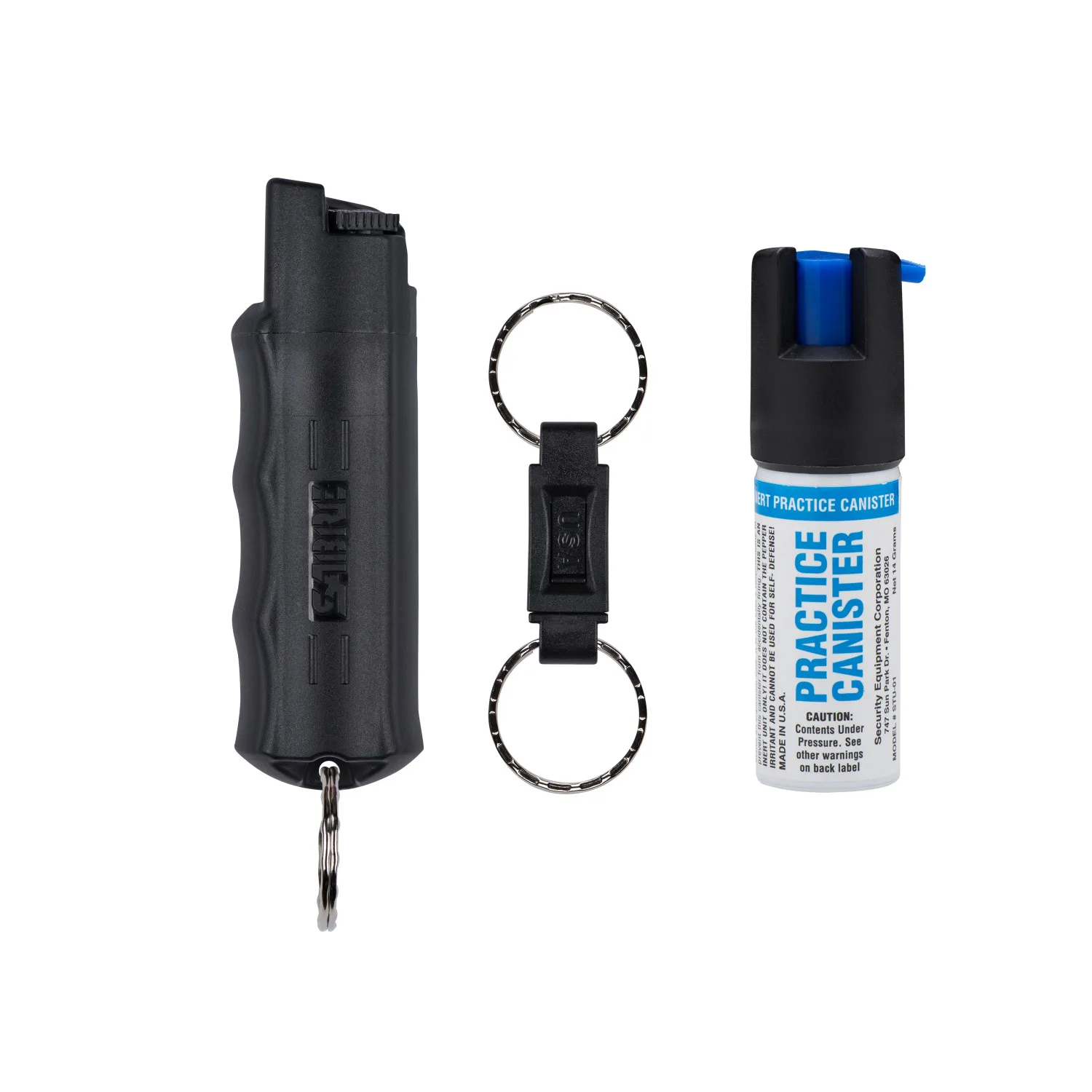
If you carry your spray in a purse or backpack, consider using a case or pocket that protects the nozzle from dust and lint. Some sprays come with a safety cap or clip that covers the actuator, which helps prevent accidental discharge. For example, the https://sabreredes.com/products/pepper-spray-with-quick-release-keychain-and-practice-spray-canister-371395Pepper Spray with Quick Release Keychain and Practice Spray Canister includes a practice canister, allowing you to train without risking your main spray.
- Store in a cool, dry place away from heat and sunlight.
- Protect the nozzle from dust and debris.
- Keep out of reach of children and pets.
Practice Sprays: The Smart Way to Test and Train
Using a practice spray canister is the best way to test your technique without wasting your defense spray. Practice sprays contain water or an inert solution, so they're safe to use indoors. They allow you to practice drawing, disengaging the safety, and aiming without the risk of getting chemical in your eyes.
Many self-defense sprays come with a practice canister, such as the Pepper Spray with Quick Release Keychain and Practice Spray Canister. If you don't have one, you can purchase a separate practice spray. Regular practice not only tests your equipment but also builds confidence and muscle memory, so you'll react quickly in a real emergency.
- Practice sprays are safe for indoor training.
- They help build muscle memory for quick deployment.
- Use them to test your keychain or clip mechanism.
Final Thoughts on Pepper Spray Maintenance
Regular testing is a small investment of time that can make a huge difference in a dangerous situation. By following the guidelines above, you can ensure your pepper spray is always ready to protect you. Remember, a pepper spray that hasn't been tested is just a hunk of metal and chemicals—until you know it works.
If you're in the market for a new pepper spray, consider models with a practice canister included, so you can test and train from day one. The Defense Spray with Attachment Clip is another great option for easy access. Whichever you choose, make testing a part of your routine.
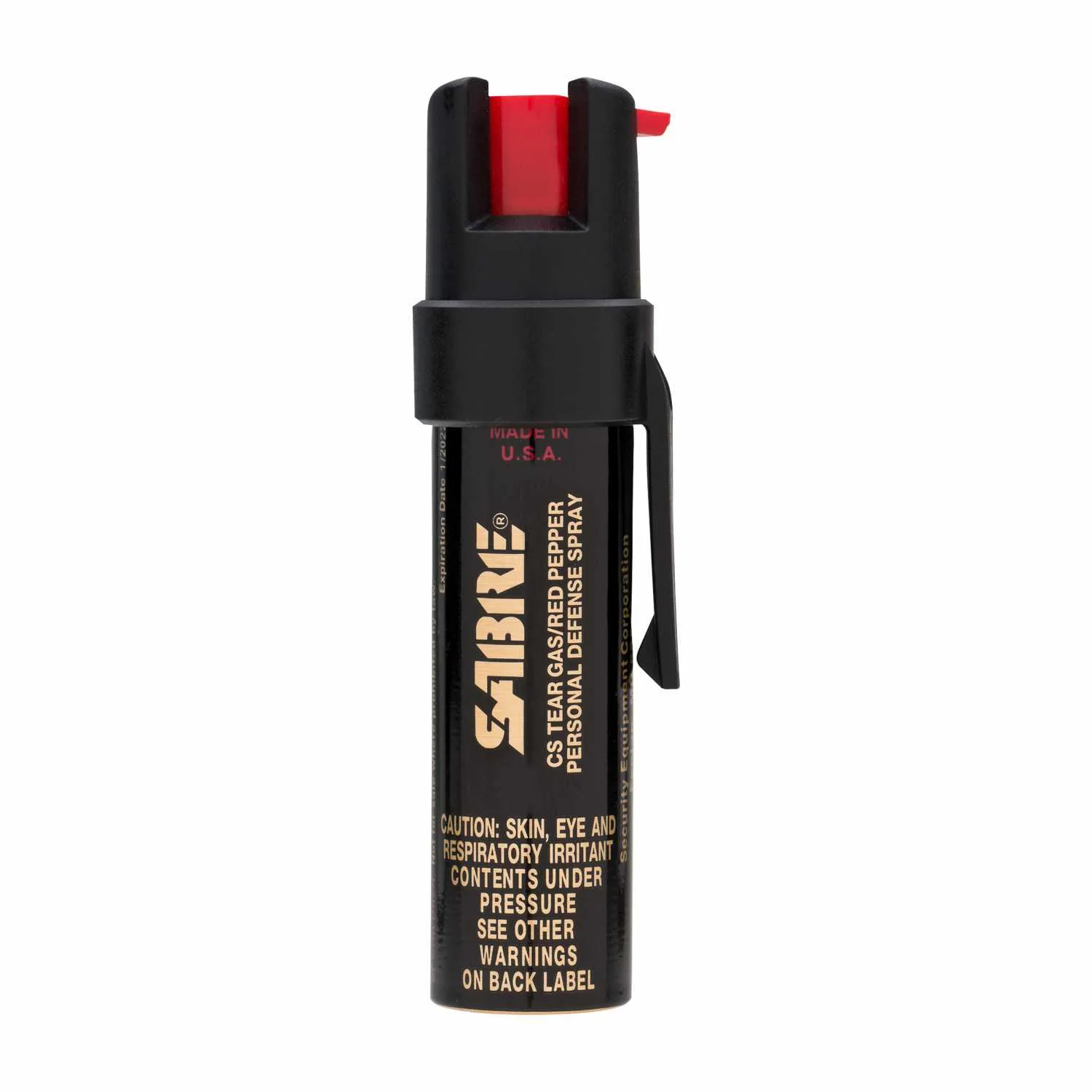
Defense Spray with Attachment Clip
- Set a reminder to test your spray every 3-6 months.
- Replace any canister that shows signs of wear or expiration.
- Consider carrying a backup spray for extra safety.
Don't wait until you're in a dangerous situation to find out your pepper spray doesn't work. Make testing a regular habit, and always keep your self-defense tool in top condition. For a reliable option that includes a practice canister, check out the Pepper Spray with Quick Release Keychain and Practice Spray Canister today.