Have you ever wondered how often you should really wash your sheets? It's a question that sparks debate among sleep enthusiasts and hygiene experts alike. While some people change their bedding weekly, others might stretch it to a month or more. The truth is, your sheets accumulate sweat, dead skin cells, dust mites, and bacteria every night. Understanding the optimal washing frequency can improve your sleep quality, skin health, and overall well-being.
In this guide, we'll break down expert advice on sheet washing frequency, factors that influence how often you need to wash, and best practices for keeping your bedding fresh. Whether you're a stickler for cleanliness or just looking to improve your sleep hygiene, we've got you covered.
Why Washing Your Sheets Regularly Matters
Your bed is a cozy haven, but it's also a breeding ground for microscopic organisms. Every night, you shed about a gram of dead skin cells, which feed dust mites. These tiny creatures thrive in warm, humid environments like your mattress and sheets. Dust mite droppings are a common allergen that can trigger asthma, sneezing, and itchy eyes. Regular washing removes these allergens and keeps your respiratory system happy.
Beyond dust mites, sweat and body oils build up on your sheets, creating a perfect environment for bacteria. This can lead to skin breakouts, irritation, and even infections if you have cuts or acne. Clean sheets also simply feel better—there's nothing like slipping into a fresh, crisp bed after a long day. The psychological boost of a clean sleep environment should not be underestimated.
- Wash sheets weekly to reduce allergen buildup and maintain skin health.
- Use hot water (at least 130°F) to kill dust mites and bacteria effectively.
- Consider hypoallergenic detergent if you have sensitive skin or allergies.
Expert Recommendations: How Often to Wash Sheets
Most sleep experts and dermatologists agree that you should wash your sheets once a week. This frequency balances hygiene with practicality. If you have allergies, asthma, or eczema, sticking to a weekly schedule is even more crucial. For those who sleep alone and shower before bed, you might stretch it to every two weeks, but weekly is the gold standard.
Certain situations require more frequent washing. If you sleep with pets, eat in bed, or sweat heavily at night, consider washing every 3-4 days. Similarly, during allergy season or when you're sick, more frequent washes can help reduce symptoms and prevent reinfection. Pillowcases should be washed even more often—every 2-3 days—since they come into direct contact with your face and hair, which can transfer oils and bacteria.
- General rule: Wash sheets every 7 days.
- Pillowcases: Every 2-3 days for acne-prone or oily skin.
- Increase frequency if you have pets, allergies, or night sweats.
How to Wash Your Sheets for Maximum Freshness
Washing your sheets correctly is just as important as how often you do it. Start by checking the care label—most microfiber and cotton sheets can be machine washed in warm or hot water. Use a gentle cycle to prevent wear and tear, and avoid overloading the machine so sheets get properly cleaned. A mild detergent is usually sufficient; skip fabric softeners as they can coat fibers and reduce breathability.
For stain removal, treat spots with a small amount of detergent or baking soda before washing. If your sheets are white, you can add a half cup of white vinegar to the rinse cycle to brighten and deodorize. Drying is equally important: tumble dry on low heat to prevent shrinkage and remove promptly to avoid wrinkles. For a crisp finish, iron while slightly damp or use a wrinkle-release spray.
- Use warm or hot water for best cleaning results.
- Avoid bleach on colored sheets—opt for oxygen-based stain removers.
- Dry on low heat and remove promptly to minimize wrinkles.
Choosing the Right Sheets for Easy Care and Longevity
The material of your sheets affects how often they need washing and how well they hold up over time. Microfiber sheets, like those from Mellanni, are durable, wrinkle-resistant, and dry quickly, making them a low-maintenance choice. They also resist pilling and fading, so you can wash them weekly without worry. Cotton sheets, especially high-thread-count percale or sateen, are breathable and get softer with each wash, but they may require more care to prevent shrinkage.
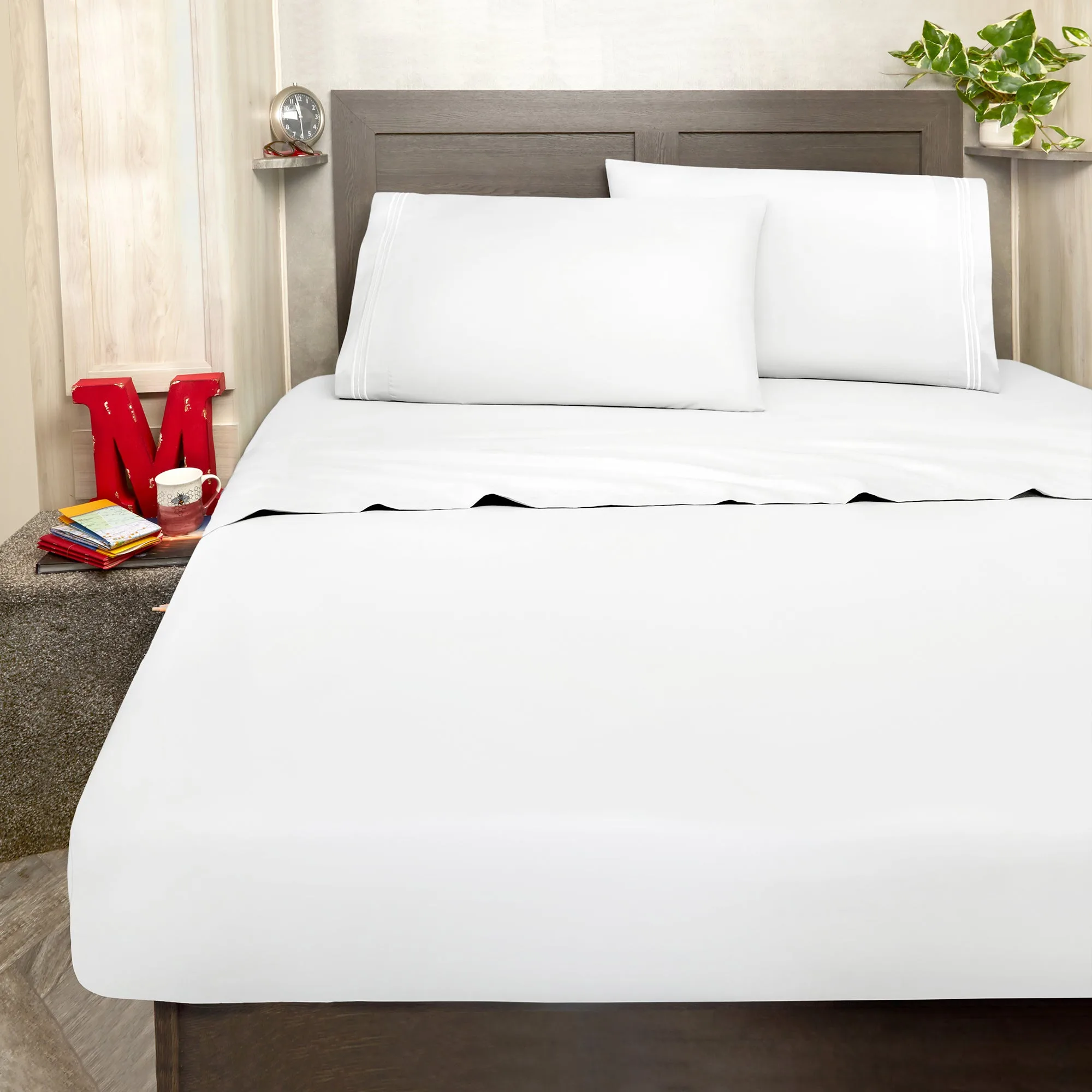
If you're looking for a balance of comfort and easy care, consider the Iconic 6-Piece Microfiber Sheet Set from Mellanni. It includes a fitted sheet, flat sheet, and four pillowcases, all made from high-quality microfiber that stays fresh between washes. Another excellent option is the Cloudten 2-Piece Bamboo Jersey Pillowcase Set, which offers natural moisture-wicking and antibacterial properties, reducing the need for frequent washing. Bamboo jersey is also incredibly soft and gentle on skin.
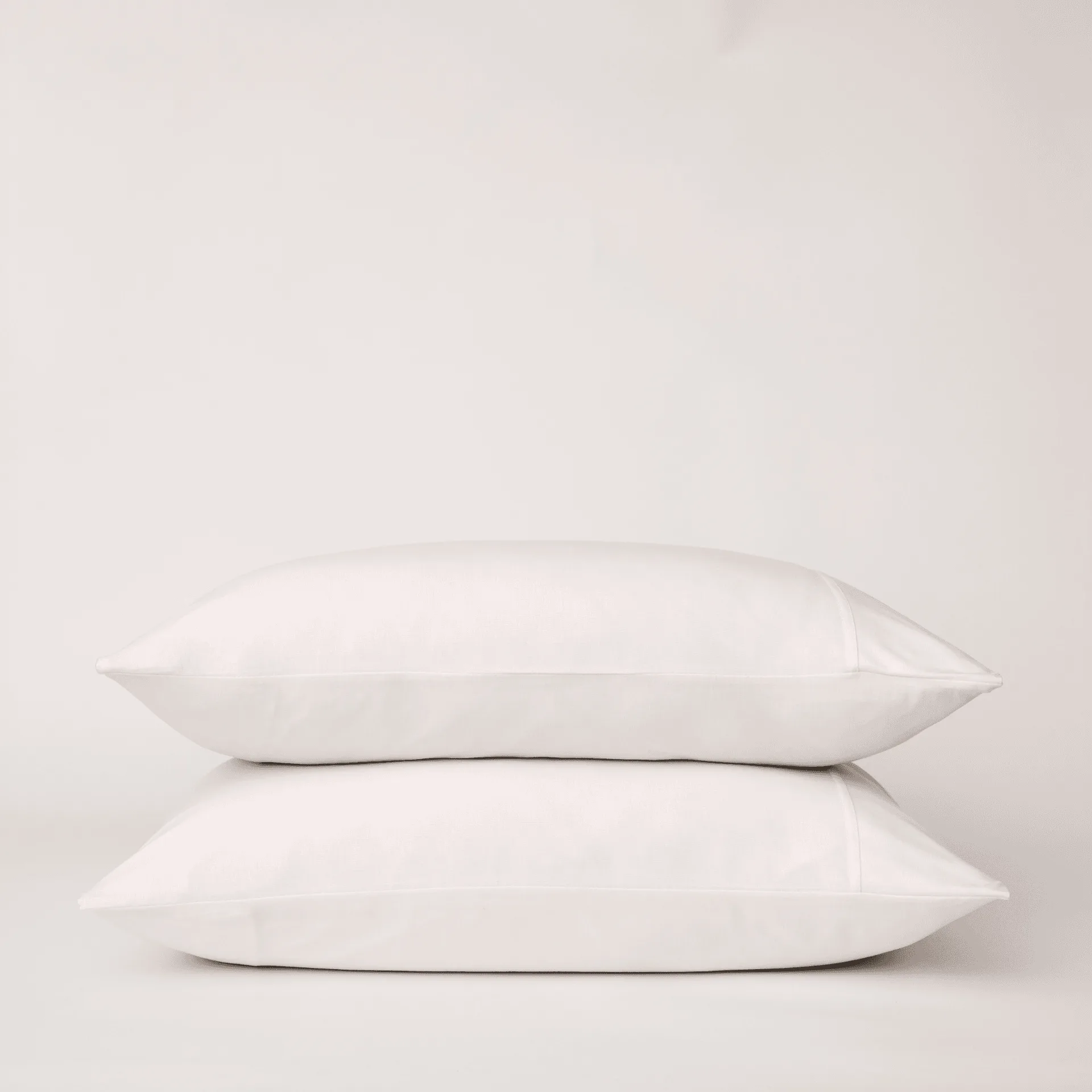
Cloudten 2-Piece Bamboo Jersey Pillowcase Set
- Microfiber: durable, quick-drying, and wrinkle-resistant.
- Cotton: breathable, softens over time, but may shrink.
- Bamboo jersey: naturally antimicrobial and moisture-wicking.
Signs It's Time to Wash Your Sheets (Even if You Just Did)
Sometimes, even a weekly schedule isn't enough. If you notice a musty smell, visible stains, or your skin breaking out, it's time for an immediate wash. Other signs include waking up with a stuffy nose or itchy eyes, which indicate dust mites or allergens have built up. If you've been sick, wash your sheets in hot water to kill lingering germs and prevent reinfection.
Also, consider your environment. Humid climates or summer months can increase sweat and bacteria growth, so you might need to wash more often. On the flip side, if you use a mattress protector and shower before bed, you might extend the time slightly. But trust your senses—if your sheets don't feel or smell fresh, they probably aren't.
- Musty odor or visible stains = wash immediately.
- Allergy symptoms upon waking = increase washing frequency.
- After illness: wash in hot water to sanitize.
Maintaining clean sheets is one of the simplest ways to improve your sleep hygiene and overall health. By washing your bedding weekly and choosing high-quality, easy-care materials like microfiber or bamboo jersey, you can enjoy a fresh, comfortable sleep environment night after night. Explore Mellanni's collection of sheet sets and pillowcases to find the perfect match for your routine. Your bed—and your skin—will thank you.