Crispy, salty, and utterly moreish—pork crackling has been a beloved snack for generations. But have you ever stopped to think about how that golden, puffed piece of pork rind ends up in your packet? The journey from pig skin to crunchy perfection is a fascinating blend of traditional butchery and modern food science.
In this behind-the-scenes look at the crackling industry, we’ll walk you through each stage of production: sourcing, preparation, cooking, and flavouring. Whether you’re a curious foodie or a dedicated fan of Snaffling Pig’s range, understanding the process makes every bite even more satisfying.
Sourcing the Raw Material: Pork Rind
Every batch of crackling starts with fresh pork rind—the skin of the pig, typically sourced from the back and belly. Quality begins here: producers like those behind Snaffling Pig work with trusted suppliers who ensure the rind is clean, uniform in thickness, and free from excess fat. The thickness of the rind directly affects the final texture—too thin and it may burn; too thick and it can be chewy.
Once the rind is trimmed, it’s cut into uniform squares or strips. This consistency is crucial for even cooking. At this stage, the raw pieces are often blanched or parboiled to soften the skin and prepare it for the rendering process. This step also helps remove any residual hair or impurities, leaving a clean canvas for the next phase.
- Pork rind is typically sourced from the back and belly for optimal thickness.
- Uniform cutting ensures even cooking and consistent crunch.
- Blanching softens the skin and removes impurities before cooking.
The Rendering and Drying Stage
The key to perfect crackling lies in rendering—slowly cooking the rind to remove moisture and melt away subcutaneous fat. In industrial settings, this is done in large ovens or continuous drying tunnels at low temperatures (around 60–80°C) for several hours. The goal is to reduce the moisture content from about 60% down to just 2–5% without cooking the protein too quickly.
After drying, the rind becomes brittle and leathery. It’s then cooled and stored in a humidity-controlled environment until it’s ready for the final puffing stage. This step is critical: if the rind retains too much moisture, it won’t puff properly; if it’s over-dried, it can become hard and unappealing. Skilled producers monitor temperature and humidity closely to achieve that perfect balance.
- Rendering removes moisture and fat at low temperatures over several hours.
- Moisture content must drop to 2–5% for optimal puffing.
- Humidity control during storage prevents reabsorption of moisture.
Puffing: The Moment of Transformation
This is where the magic happens. The dried rind pieces are rapidly heated to a high temperature—typically 180–220°C—either in hot oil, hot air, or microwave ovens. The intense heat causes the remaining moisture inside the rind to turn to steam, expanding the collagen network and creating the signature puffed, airy texture. In just 30–60 seconds, a flat, leathery square becomes a crunchy, golden crackling.
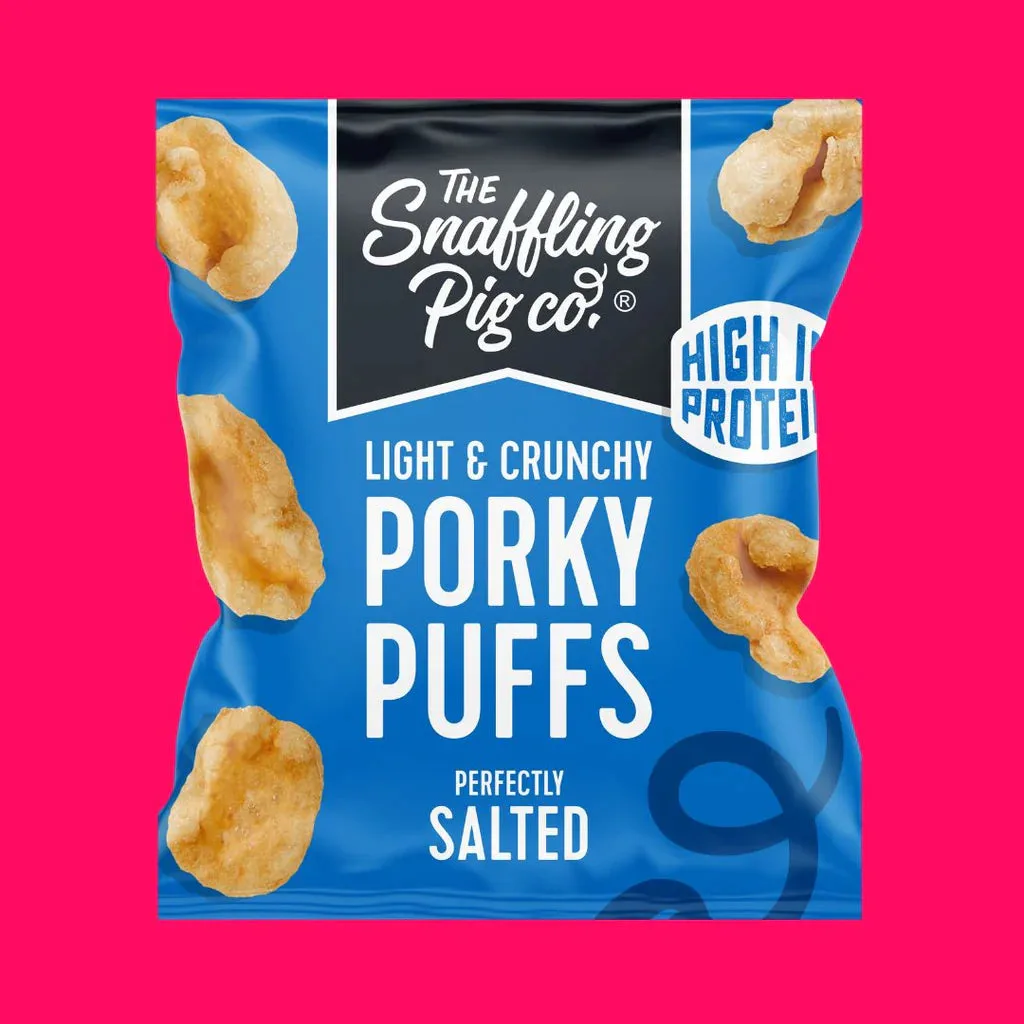
For traditional crackling, deep frying in pork fat or vegetable oil is common, but many modern producers—including those behind Snaffling Pig’s Porky Puffs—use hot air or microwave puffing for a lighter, less greasy result. The Perfectly Salted Porky Puffs Packets are a great example of this method, delivering a satisfying crunch without excessive oil. The puffing process also determines the final shape: some crackling curls, others stay flat—both are delicious, just different.
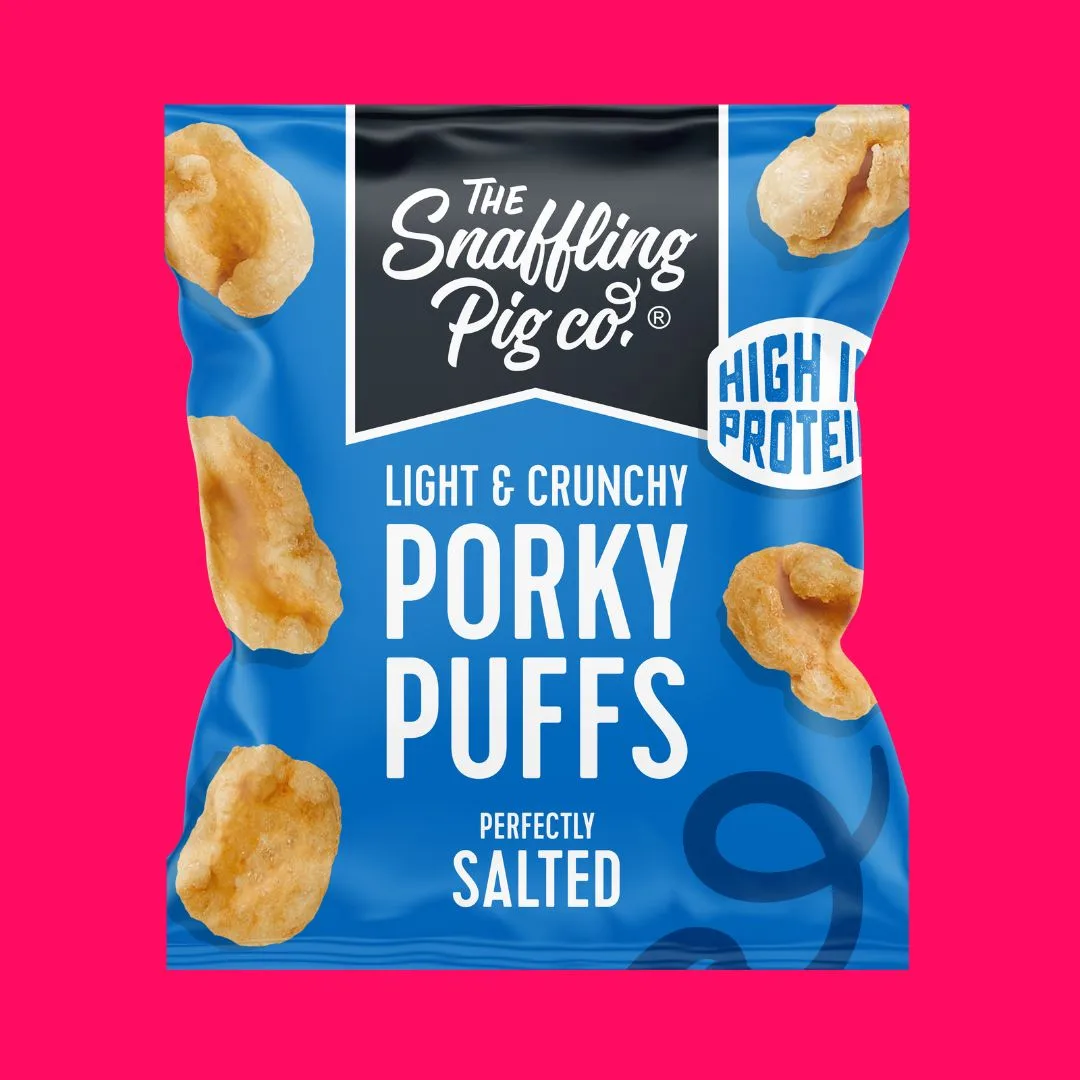
Perfectly Salted Porky Puffs Packets
- High heat (180–220°C) turns residual moisture into steam, puffing the rind.
- Hot air and microwave puffing produce lighter, less greasy crackling.
- Puffing takes only 30–60 seconds, transforming texture and colour.
Flavouring and Seasoning: The Final Touch
Once puffed, the crackling is still neutral in taste—like a blank canvas. This is where the flavour magic happens. Seasonings are applied while the crackling is still warm, ensuring the spices adhere properly. Snaffling Pig’s range showcases how versatile this snack can be: from classic Perfectly Salted to adventurous options like Marvellous Maple Porky Puffs Packets, which balance sweet maple with savoury pork.
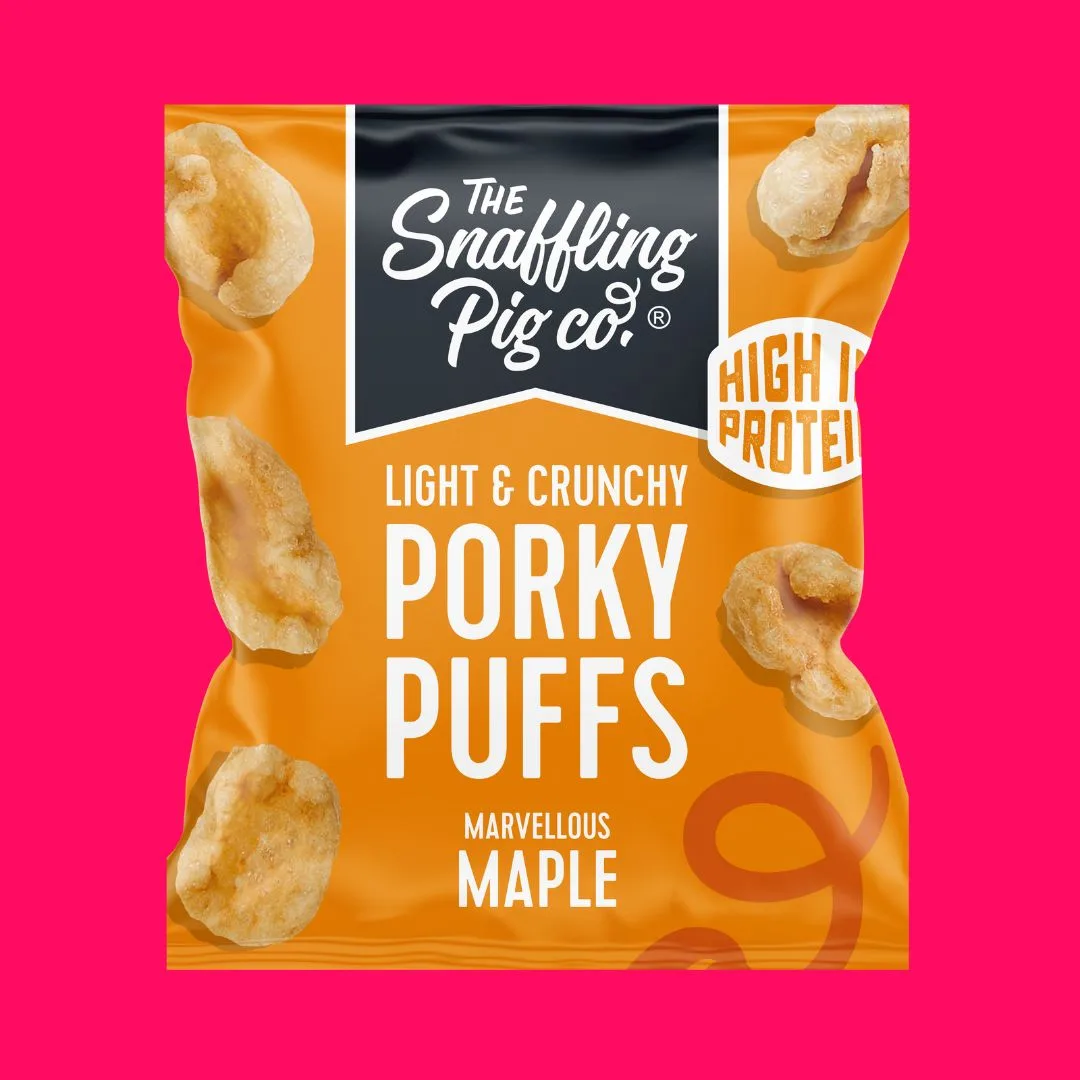
Marvellous Maple Porky Puffs Packets
Flavours are typically applied in a rotating drum or tumbler, where the crackling is gently coated with a dry or liquid seasoning blend. For spicy varieties like Hot to Trot Habanero, a precise amount of chilli powder and extract is mixed in to ensure consistent heat across every piece. After seasoning, the crackling is cooled, inspected for quality, and packed into airtight bags to preserve freshness.
- Seasoning is applied while crackling is still warm for best adhesion.
- Rotating drums ensure even distribution of flavours.
- Spicy varieties use measured chilli blends for consistent heat.
Quality Control and Packaging
Before any bag reaches your hands, every batch undergoes rigorous quality checks. Producers test for moisture content, texture, colour, and flavour consistency. In the crackling industry, even minor variations in cooking time or seasoning can affect the final product, so automated sensors and manual inspections work together to maintain high standards.
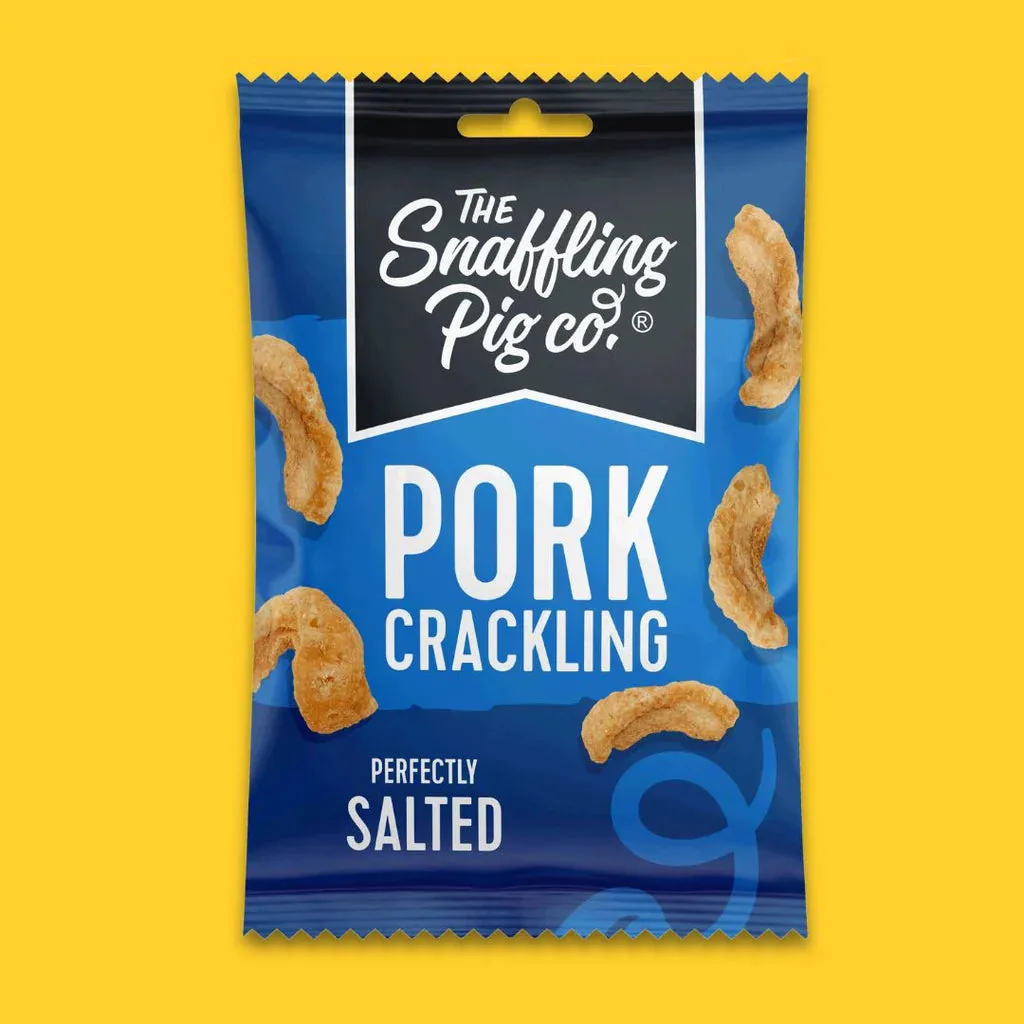
Packaging is equally important. Pork crackling is highly sensitive to moisture and oxygen, which can turn it stale or soggy. Snaffling Pig uses nitrogen-flushed, resealable pouches to keep the crunch intact. For subscription lovers, options like the Perfectly Salted Pork Crackling (subscription every month) ensure you never run out of fresh, perfectly puffed crackling. The entire process—from rind to packet—typically takes 24–48 hours, but the result is a snack that stays crispy for months.
- Quality checks include moisture, texture, colour, and flavour tests.
- Nitrogen-flushed packaging protects against staleness.
- Subscriptions deliver freshly made crackling on a regular schedule.
Sustainability and Innovation in the Crackling Industry
The crackling industry is increasingly focused on sustainability. Because pork rind is a by-product of meat production, turning it into a snack reduces food waste—a win for the environment. Many producers also source pork from farms with higher welfare standards and use energy-efficient puffing methods to lower their carbon footprint.
Innovation continues to shape the industry. New flavours, such as the Marvellous Maple Pork Crackling Case, push the boundaries of what crackling can be. Some producers experiment with gluten-free coatings, organic seasonings, or even plant-based crackling alternatives (though traditional pork rind remains the gold standard). As consumer demand for transparency grows, more brands are sharing behind-the-scenes details about their processes—so you can snack with confidence.
- Pork rind is a by-product, making crackling a waste-reducing snack.
- Energy-efficient puffing methods lower environmental impact.
- New flavours and formats drive industry innovation.
Next time you tear open a bag of Snaffling Pig crackling, you’ll appreciate the craftsmanship behind every crunchy piece. From careful sourcing to precise puffing and bold flavouring, the journey is as satisfying as the snack itself. Craving a taste of that behind-the-scenes magic? Explore the Perfectly Salted Porky Puffs Packets to experience the classic crunch perfected—or try any of our other flavours to see what the industry’s best has to offer.