Quick answer
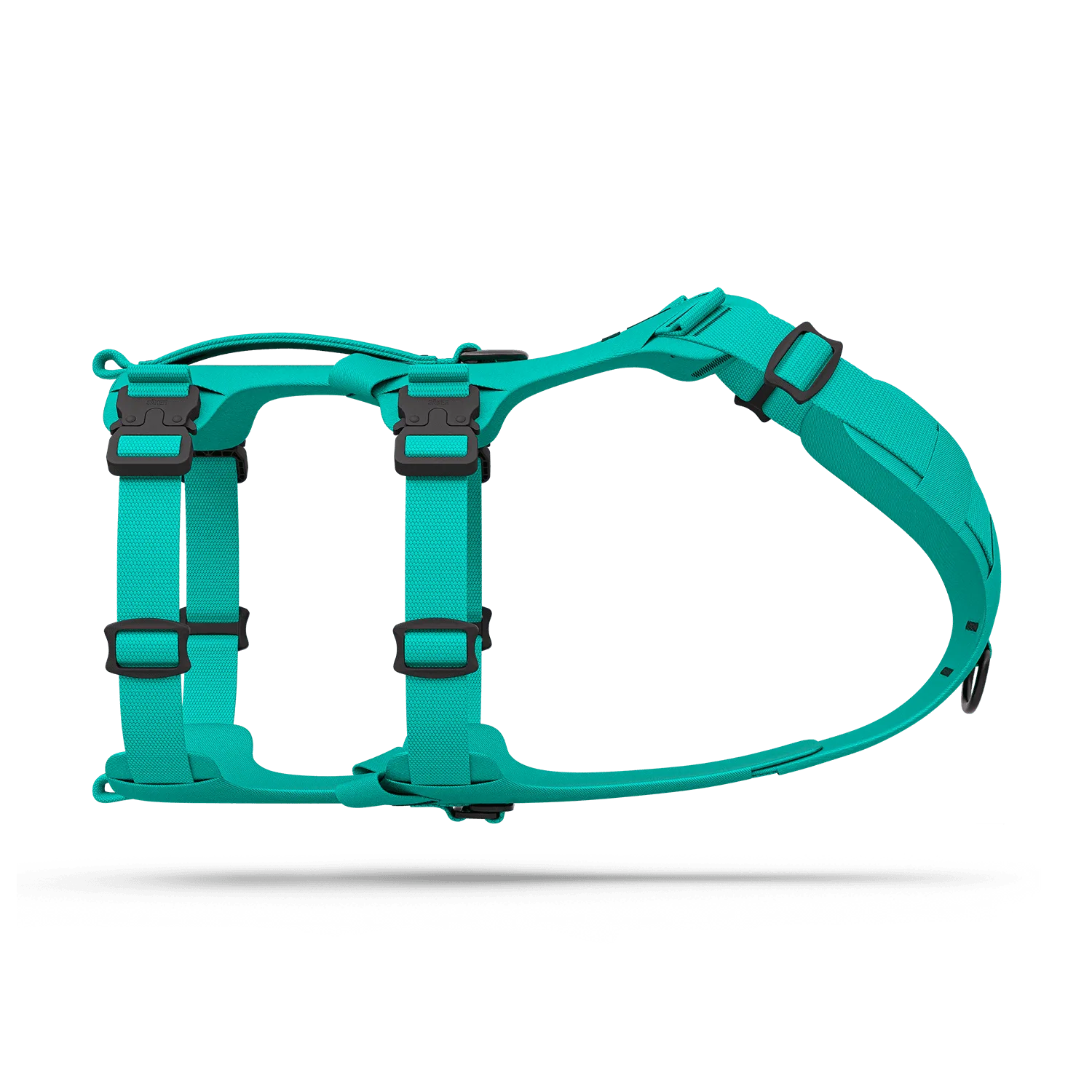
A dog harness should sit snug enough that you can slide no more than two fingers flat under each strap, but loose enough that the straps do not dig in or restrict shoulder movement. Check the girth strap first, then the chest strap, then recheck after a short walk. If the harness twists, slides to one side, or leaves rub marks, it is either too loose or adjusted unevenly.
Check the girth strap first
The girth strap wraps behind the front legs and takes most of the load when your dog pulls. Slide two flat fingers under the strap at the deepest part of the chest. If you can fit more than two fingers, the harness is too loose and may shift or allow a leg to slip through. If you cannot fit two fingers without forcing them, the strap is too tight and can rub the armpit area.
Check the chest strap second
The chest strap runs across the front of the chest. It should sit flat and level, not ride up toward the throat. Use the same two-finger check here. A chest strap that is too loose lets the harness slide side to side; one that is too tight can press on the trachea when your dog pulls.
Watch for chafing and movement
After a 10-minute walk, look for red spots, rubbed hair, or a harness that has rotated to one side. Chafing usually means a strap is too tight or the harness is not adjusted evenly on both sides. If the harness twists, check that the left and right straps are set to the same length before tightening anything further.
Recheck after your dog settles
Harness straps can loosen slightly as your dog moves, and a harness that felt right in the hallway may need a small adjustment after a real walk. Recheck the two-finger gap on both the girth and chest straps once your dog has been moving for a few minutes. Small adjustments are normal; a harness that needs constant re-tightening may be the wrong size.
Fit check steps
- Start with the girth strap: Slide two flat fingers under the strap behind the front legs. Adjust until the gap is snug but not tight. If you can fit a whole hand, the harness is too loose.
- Set the chest strap level: Check that the chest strap sits flat across the chest and does not ride up toward the throat. Apply the same two-finger rule. A chest strap that rides up can press on the trachea when your dog pulls.
- Match both sides: Compare the left and right strap lengths. Adjust so the harness sits centered on your dog's back. Uneven straps are a common cause of twisting and chafing.
- Walk and recheck: Take a short walk, then recheck the two-finger gap on both straps and look for rub marks or rotation. If the harness still shifts or rubs, try a different size or style.
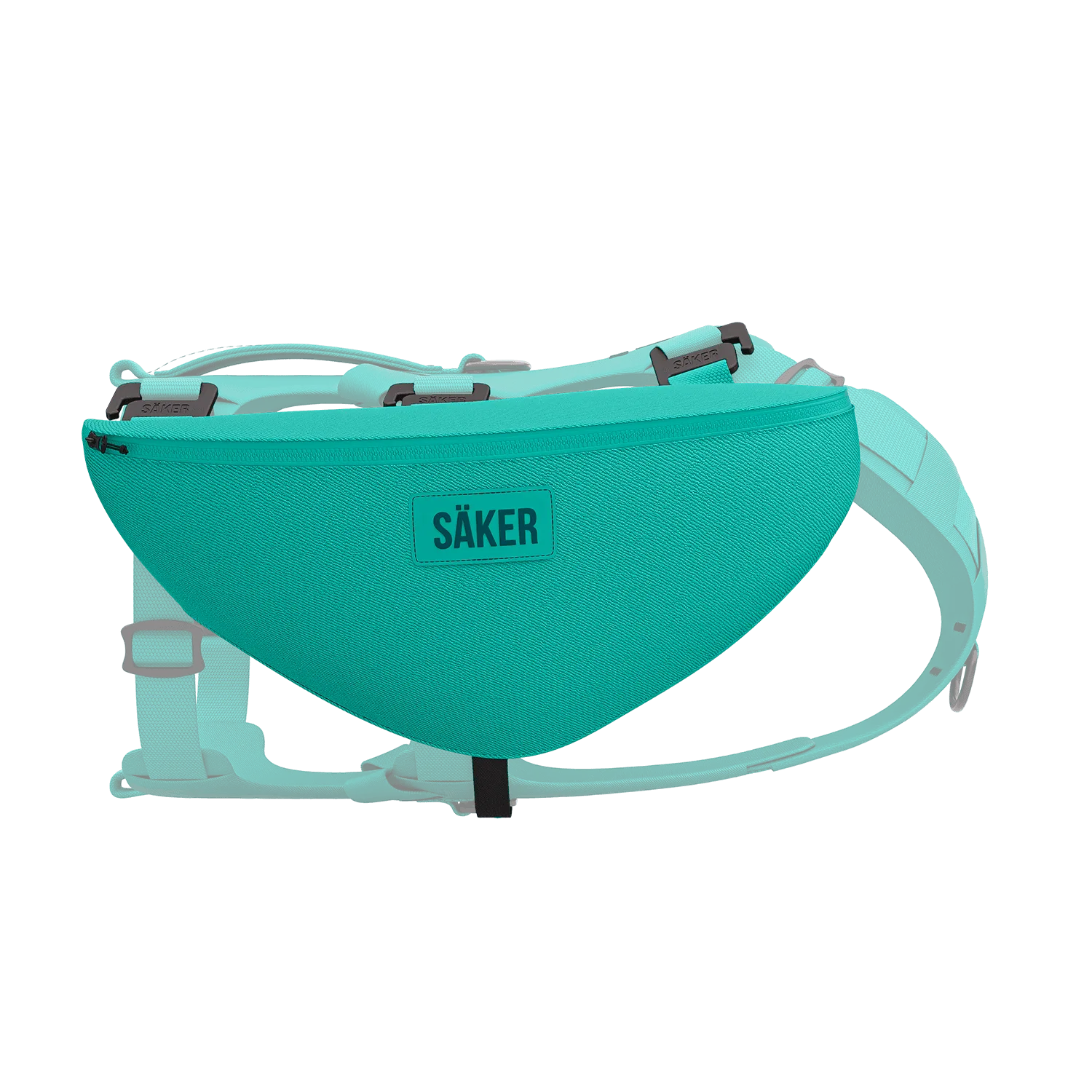
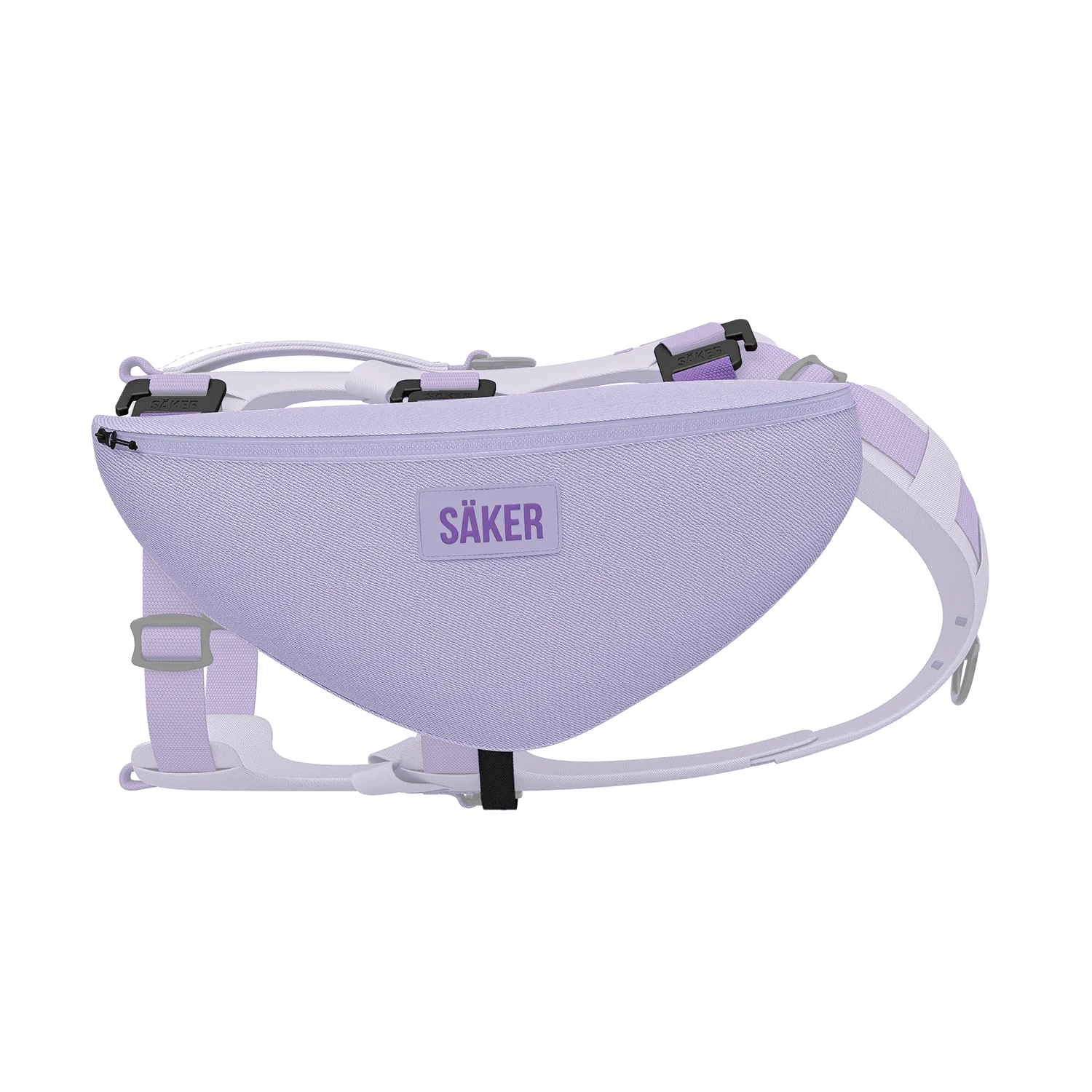
Harness add-ons that affect fit
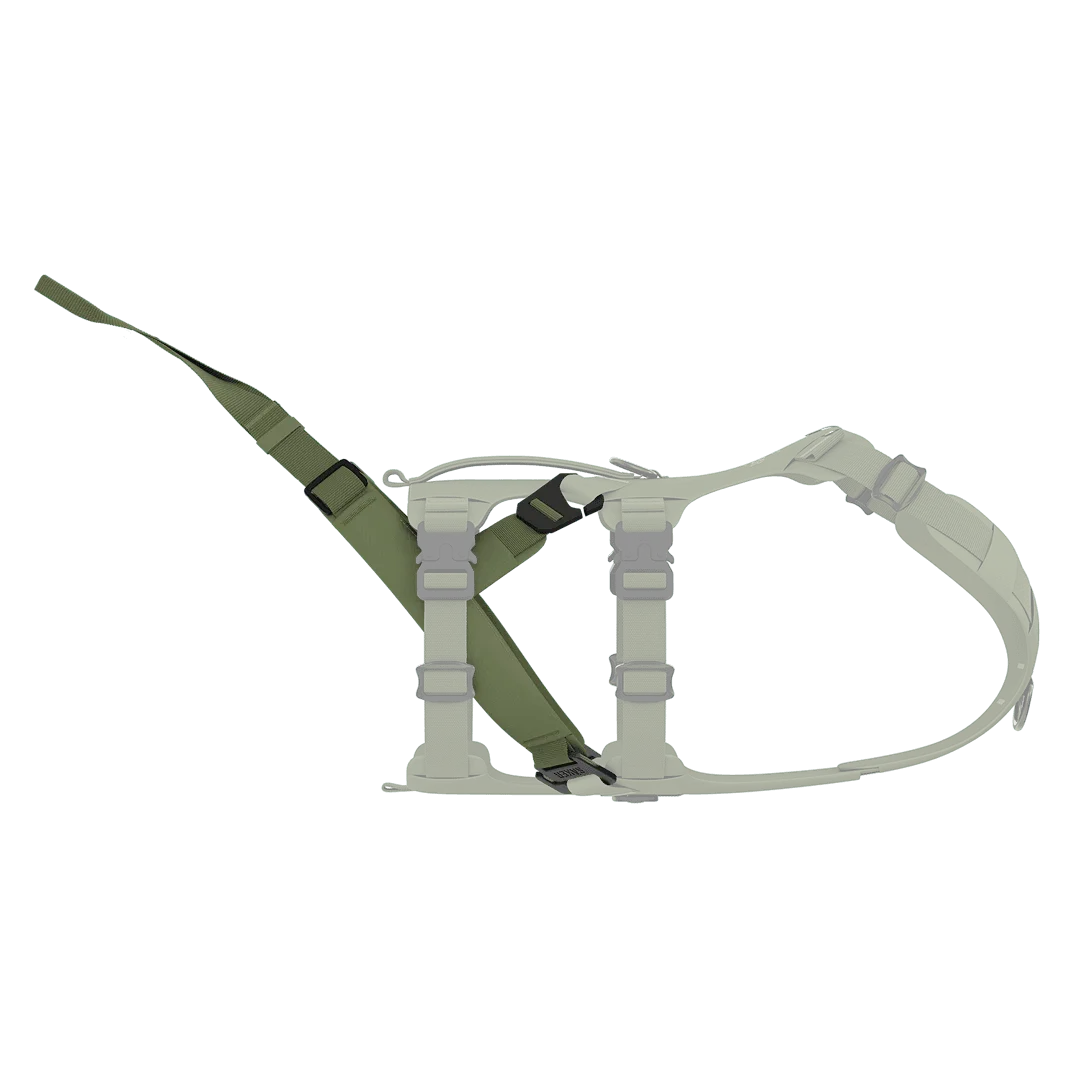
- Traction 001: https://sakercaninefpz.com/products/pl-2006-91e1836f57645a78363f6044-515041https://sakercaninefpz.com/products/00-2006-3e164481b99dbfc958394a4a-515042https://sakercaninefpz.com/products/tg-2006-11de15b9f2e4d24e7a542380-515045https://sakercaninefpz.com/products/tt-2006-1441b34f7f2957daaa4edc7e-515046Traction 001 is a traction attachment that installs on the Muse Harness and is designed to distribute weight evenly, preventing pressure on the trachea for safe, comfortable pulling. If you add a pulling attachment, recheck the chest strap fit because the load path changes and a loose harness can shift more under tension.
- Harness Velcro Sleeves: Harness Velcro Sleeves install onto the Canyon harness to display velcro patches on your dog's back and are compatible with the Muse and Bomber harnesses. Adding sleeves or patches changes the surface of the harness, so recheck strap tension afterward to make sure nothing has been pulled out of adjustment.