Getting Started with Your ComfyGrow Carrier
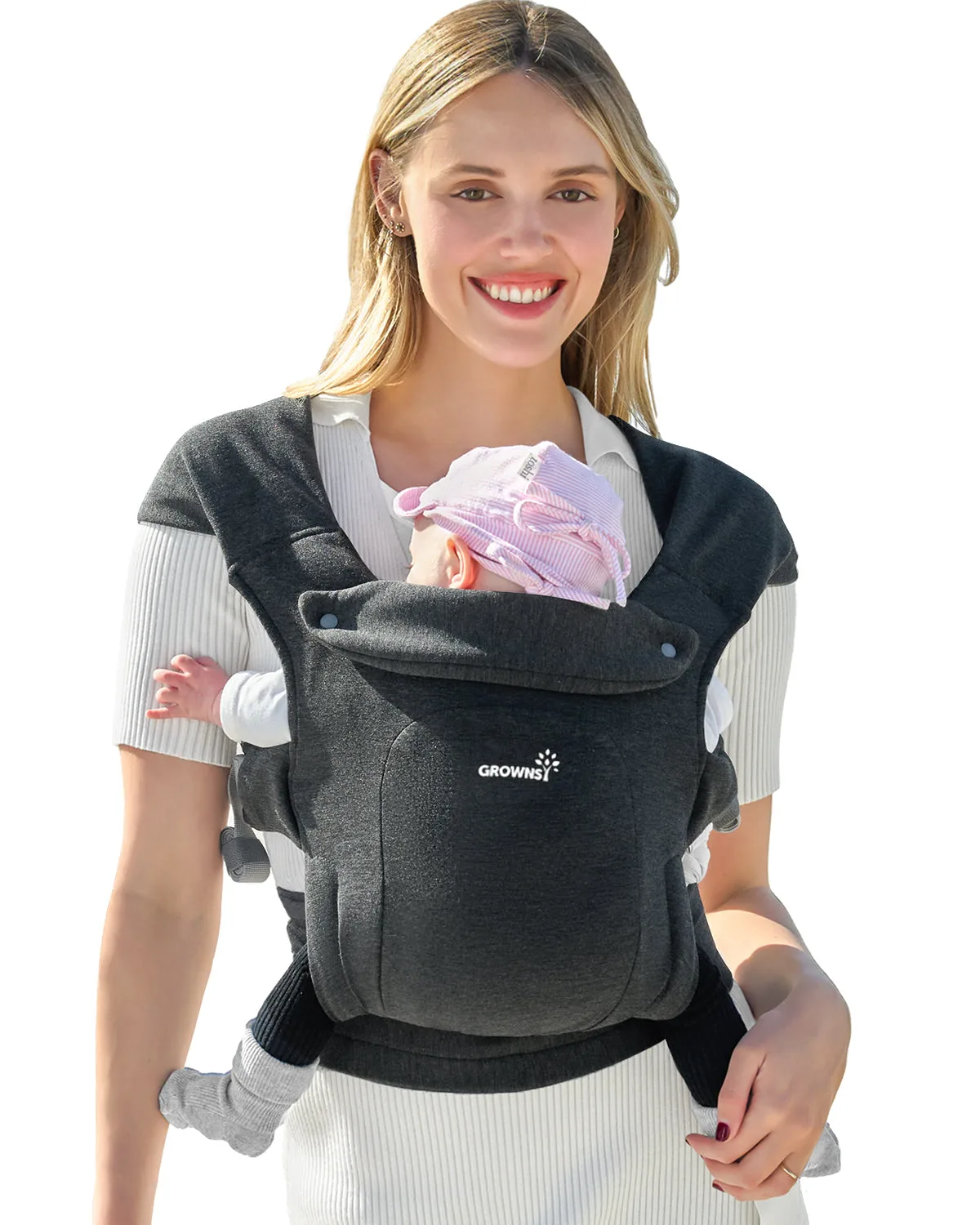
The ComfyGrow Hybrid Baby Carrier is designed to adapt as your baby grows, starting from newborn size. With a weight range of 7 to 35 pounds, it supports infants as small as your newborn up through toddlerhood. Before your first use, take a moment to familiarize yourself with the carrier's adjustable features: three carrying positions, three seat positions, and multiple head support adjustments.
This guide walks through the supported adjustments so you can achieve a comfortable, secure fit for your newborn. Always refer to the manufacturer's instructions for complete safety and usage details.
ComfyGrow Hybrid Baby Carrier at a Glance
-
ComfyGrow Hybrid Baby Carrier: From newborn to toddler (7-35 lbs). This weight range confirms the carrier can be used from early infancy, but you must check that your newborn meets the minimum 7 lb threshold before use.
ComfyGrow Hybrid Baby Carrier
-
ComfyGrow Hybrid Baby Carrier: Lightweight with three carrying positions, three seat positions, and multiple head support adjustments. These adjustments let you customize the fit as your baby grows, starting with the narrowest seat setting and inward-facing position for newborns.
-
ComfyGrow Hybrid Baby Carrier: The ComfyGrow Carrier evolves seamlessly with your baby's growth. You won't need to buy a new carrier as your baby gets bigger; simply adjust the seat width and carrying position over time.
Step-by-Step Newborn Adjustment
Follow these steps to set up the ComfyGrow for your newborn. The carrier's three seat positions and multiple head support options allow you to dial in the right fit.
- 1. Set the seat to the narrowest position: Locate the seat adjustment snaps or buckles under the carrier panel. Choose the narrowest setting to keep your newborn's legs in a natural froggy position with knees higher than the bottom. This supports healthy hip development.
- 2. Adjust the head support for your baby's height: The carrier includes multiple head support adjustments. For a newborn, position the head support so it cradles the back of your baby's head without pushing the chin toward the chest. Your baby's face should always be visible and clear of fabric.
- 3. Choose an inward-facing carrying position: The ComfyGrow offers three carrying positions. For newborns, use the inward-facing (facing you) position. This provides the most head and neck support and keeps your baby close and secure.
- 4. Put on the carrier and secure your newborn: Fasten the waist belt at your natural waist, then place your baby in the carrier panel. Pull the shoulder straps over your arms and buckle them behind your back. Tighten the straps evenly so your baby is snug against your chest—you should be able to kiss the top of their head.
- 5. Check the fit: Your newborn's back should be supported in a natural curve, with the carrier panel reaching from knee pit to knee pit. The head support should be positioned behind the head, not forcing it forward. If anything feels loose, re-tighten the shoulder straps and waist belt.
What the Supplied Information Does Not Cover
The available product details do not include specific instructions for how long your newborn can stay in the carrier, how to adjust for breastfeeding, or whether the carrier is safe for sleep. For these questions, consult your pediatrician and the manufacturer's full user manual. Always follow safe babywearing guidelines: keep your baby's airway clear, monitor their temperature, and take breaks as needed.