Why an Adjustable Pole Helps Your Shelter
A tarp or shelter that sits too low can feel cramped, while one set too high may not block wind or rain effectively. The Kelty Adjustable Pole lets you change height on the spot, so you can adapt to shifting weather or simply get the coverage you want.
This lightweight aluminum pole extends from 80 to 99 inches, giving you a useful range for most camping setups. Whether you need more headroom on a calm evening or a lower profile when the wind picks up, a quick adjustment does the job.
What the Adjustable Pole Offers
-
Adjustable Pole: The pole adjusts from 80 to 99 inches in height. That adjustable range lets you fine-tune your shelter's clearance for different conditions or campsite layouts. Follow the supplied product instructions for proper adjustment.
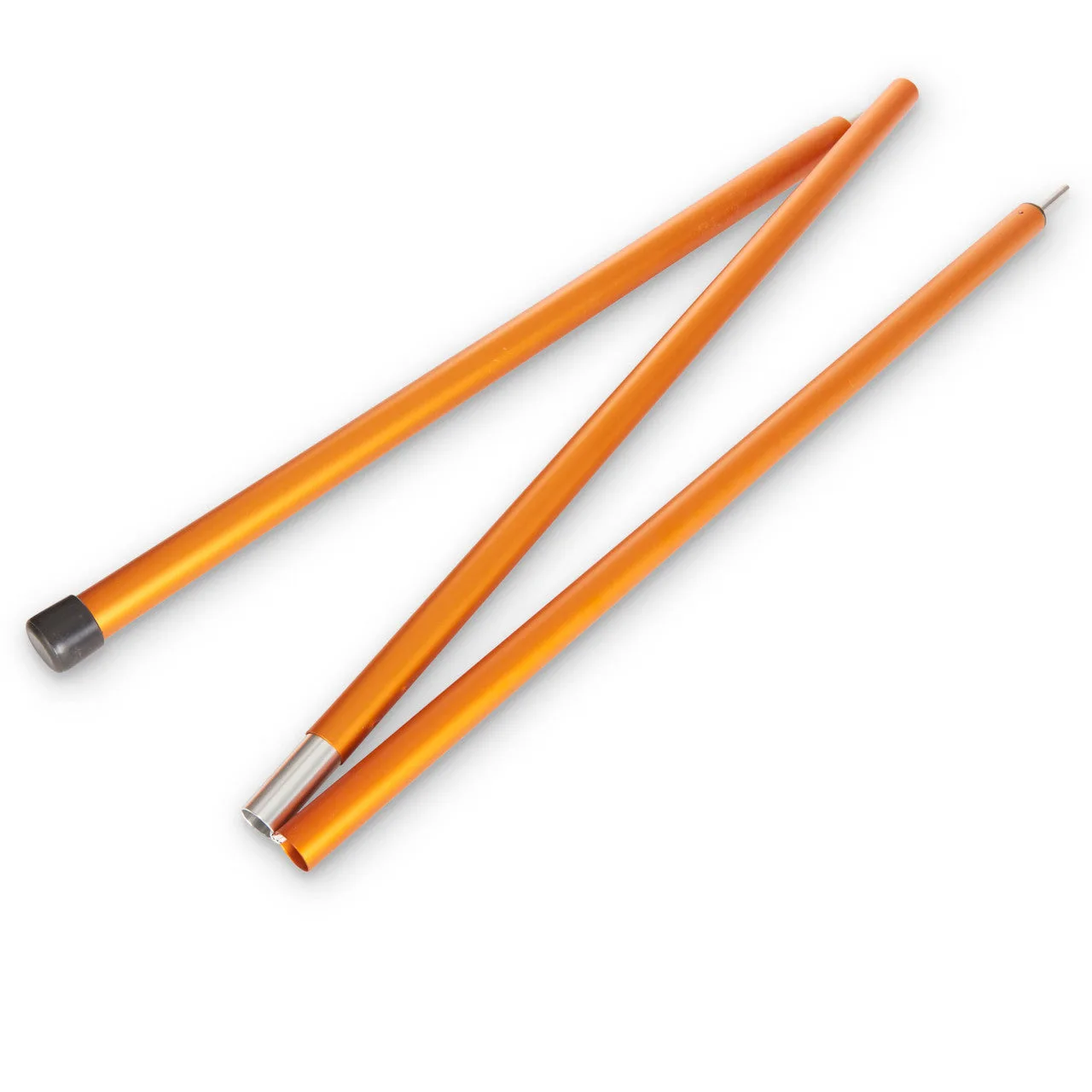
Adjustable Pole
-
Adjustable Pole: Made of lightweight aluminum. Aluminum keeps the pole easy to carry and quick to handle when you need to change height at camp.
How to Adjust the Pole
The pole uses a simple telescoping mechanism. No tools are needed, and the whole process takes only a few seconds.
- Unlock the adjustment collar: Twist or loosen the locking collar at the joint (the supplied information does not specify direction; follow the markings on your pole).
- Extend or shorten the pole: Slide the inner section to your desired height, anywhere between 80 and 99 inches. The pole holds its position once the collar is tightened.
- Lock the collar securely: Tighten the collar by hand until the pole feels firm. Do not overtighten.
- Set the pole under your shelter: Position the pole under your tarp or shelter at the corner or ridgeline where you need support. Adjust the other poles as needed to keep the shelter even.
When to Change the Height
The main reason to adjust is weather. If rain is forecast, lowering the pole reduces the gap between tarp and ground, cutting down on splash and drafts. In hot sun, raising the pole improves airflow and shade.
You can also adjust for different activities: a higher setup works well for cooking or socializing under the tarp, while a lower one provides better wind protection at night.
What the Catalog Does Not Confirm
The supplied information does not specify a maximum wind speed or a recommended tightening torque for the collar. Use common sense: if conditions feel extreme, lower the shelter further or take it down. The pole is designed for camping use, not for permanent or heavy-structural loads.
No specific cleaning or lubrication instructions are provided. Wipe the pole clean after trips and store it dry to keep the locking mechanism working smoothly.