Quick answer
To anchor a resin outdoor storage bench on a patio, use a furniture anchor kit or expansion bolts that match your patio material. Drill pilot holes through the bench's pre-marked anchor points, then fasten the bench to the patio surface. This prevents tipping in wind and keeps the bench stable for seating and storage.
Why anchoring matters for resin benches
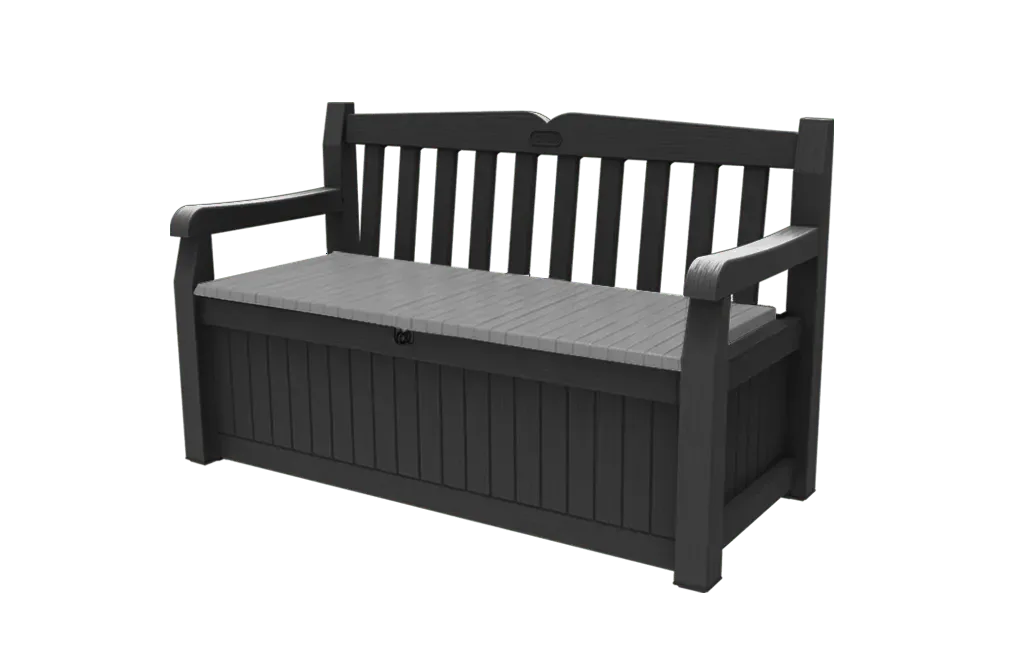
Resin storage benches are lightweight compared to wood or metal, which makes them easy to move but also more susceptible to tipping in strong winds. Anchoring secures the bench to the patio, preventing accidents and protecting the contents inside. Even a bench with a high weight capacity, like the Solana 70 Gallon Outdoor Storage Bench which supports up to 551 pounds, can be lifted by gusts if not anchored. Proper anchoring also keeps the bench from sliding when someone sits down or stands up.
Tools and materials you'll need
Gather a drill with masonry or wood bits (depending on patio material), a wrench or socket set, a pencil, a tape measure, and safety glasses. For anchoring, choose a kit appropriate for your patio: expansion bolts for concrete, lag screws for wood decks, or weighted anchors for interlocking pavers. Some benches come with pre-drilled anchor points; if not, you'll need to create them. Always check the bench manual for recommended anchor types and locations.
Step-by-step anchoring process
Follow these steps to securely anchor your resin storage bench on a patio. Each step includes a common mistake to avoid.
Anchoring steps
- Choose the location: Place the bench on a flat, level area of your patio where it won't obstruct walkways. Ensure the surface is clean and free of debris. Checkpoint: The bench should sit evenly without wobbling.
- Mark anchor points: Locate the pre-drilled holes on the bench's base or feet. If none exist, use a pencil to mark where you'll drill through the bench into the patio. Common mistake: Drilling too close to the edge, which can crack the resin. Keep holes at least 1 inch from edges.
- Drill pilot holes: Using a drill bit slightly smaller than your anchor, drill through the marked points on the bench and into the patio surface. For concrete, use a masonry bit; for wood, a standard bit. Checkpoint: Holes should be straight and deep enough for the anchor to sit flush.
- Insert anchors: Tap expansion anchors into the patio holes with a hammer, or screw lag screws directly into wood. Do not overtighten, as this can strip the material. Common mistake: Using anchors too short for the job; they won't hold in wind.
- Fasten the bench: Align the bench holes with the anchors and secure with bolts or screws using a wrench or socket. Tighten until snug, but avoid crushing the resin. Checkpoint: The bench should not move when you gently push it.
- Test stability: Gently push the bench from several angles to ensure it's firmly anchored. If it wobbles, tighten the anchors or add shims under the feet. Common mistake: Skipping this test; loose anchors can work free over time.
Product facts
- Solana 70 Gallon Outdoor Storage Bench - Grey: The Solana 70 Gallon Outdoor Storage Bench supports up to 551 pounds and provides storage under the seat. This high weight capacity means the bench can hold heavy items, but anchoring is still needed to prevent tipping when empty or in wind.