Quick Answer
Apply the SOF Tactical Tourniquet high on the limb, above the bleeding site, and tighten until bleeding stops. Practice one-handed application to be prepared for self-aid situations.
Why the SOF Tourniquet Stands Out
The SOF Tactical Tourniquet is a top performer for controlling severe bleeding, chosen by many elite military units for its reliability and ease of application. Its windlass design allows precise tightening, and the durable construction withstands harsh conditions.
Unlike some other tourniquets, the SOF features a metal buckle and a wide strap that distributes pressure effectively. This makes it suitable for both self-application and use on others, even in high-stress scenarios.
One key trade-off: the SOF requires a bit more practice to master one-handed application compared to some models. But with regular training, it becomes second nature.
Step-by-Step Application Guide
- Position the Tourniquet: Place the SOF tourniquet 2-3 inches above the wound, directly on the skin if possible. Avoid placing it over a joint. If the wound is on the forearm or lower leg, place it above the elbow or knee. Checkpoint: Ensure the tourniquet is not on a joint; move higher if needed.
- Secure the Strap: Thread the strap through the buckle and pull it tight. The strap should be snug, but not so tight that it causes pain before you start twisting the windlass. Checkpoint: The strap should be tight enough to prevent slipping, but not yet cutting off circulation.
- Twist the Windlass: Turn the windlass rod clockwise to tighten the tourniquet. Continue twisting until bleeding stops. This may require several full rotations. Checkpoint: Bleeding must stop completely; if not, twist more.
- Lock the Windlass: Once bleeding stops, secure the windlass in the windlass clip to prevent it from unwinding. Ensure the clip is engaged firmly. Checkpoint: Give the windlass a gentle tug to confirm it is locked.
- Secure the Time: Write the time of application on the tourniquet or on the patient's forehead with a marker. This is critical for medical personnel to know how long the tourniquet has been in place. Checkpoint: Note the time immediately; do not rely on memory.
- One-Handed Application (Self-Aid): If applying to your own arm, use your teeth to pull the strap tight, then twist the windlass with your free hand. Practice this technique to ensure you can do it under stress. Checkpoint: Practice one-handed application regularly to build muscle memory.
Product Fact
-
SOF® Tactical Tourniquet: The SOF® Tactical Tourniquet is one of the top performing tourniquets currently available and is the choice of many elite military units for its outstanding ability to control severe bleeding. You can trust the SOF to stop life-threatening bleeding when you need it most, making it a reliable addition to any first aid kit.
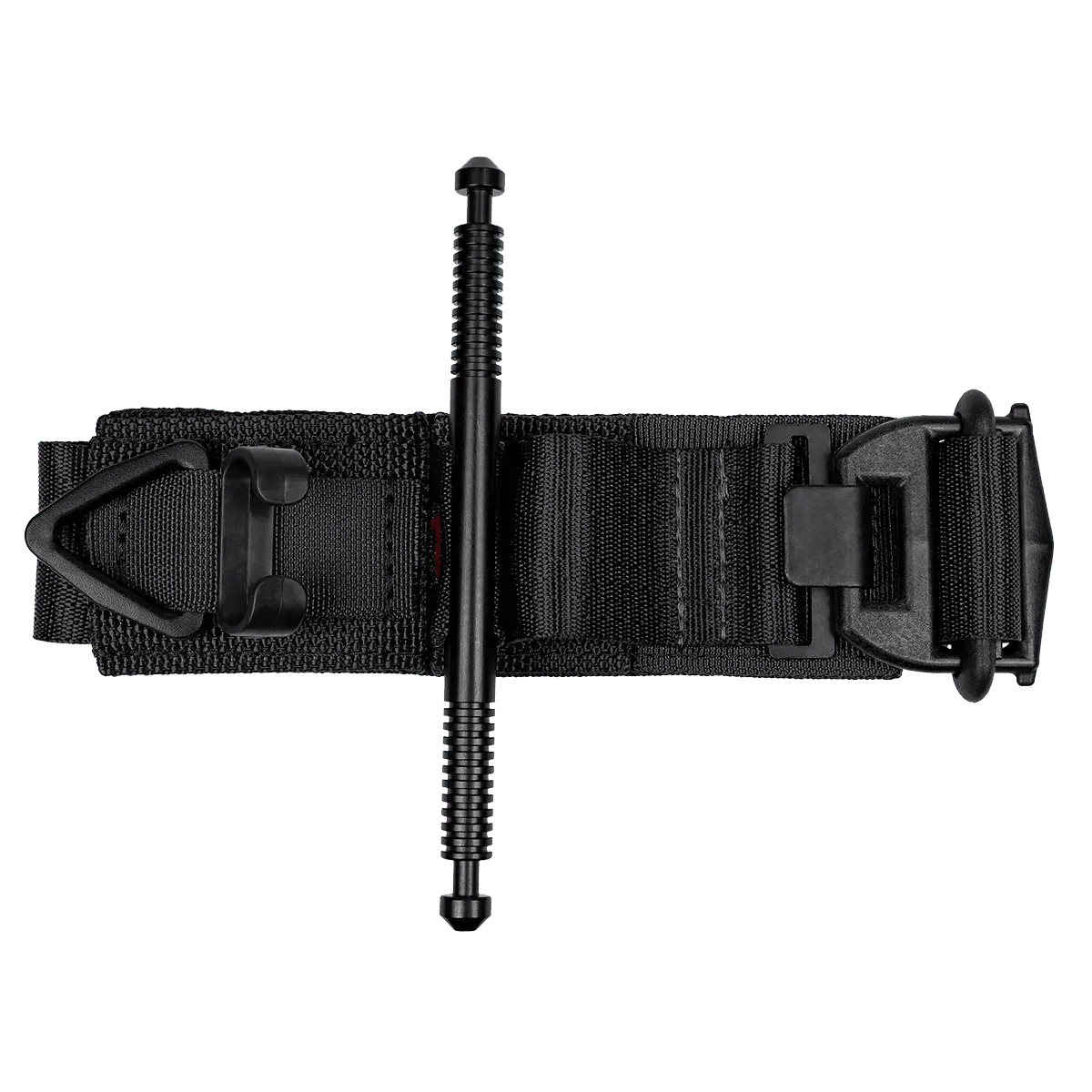
SOF® Tactical Tourniquet