A well-secured duty belt is the backbone of your daily carry. Among the most overlooked yet critical components is the double belt keeper. This small but mighty piece of gear ensures your belt stays in place, your equipment remains accessible, and your uniform looks professional. Whether you're a seasoned officer or new to the field, mastering the proper attachment of a double belt keeper is essential.
In this guide, we'll walk you through the step-by-step process of installing a double belt keeper, discuss common mistakes to avoid, and share tips for getting the most out of this simple tool. By the end, you'll have the confidence to set up your duty belt like a pro.
Understanding the Double Belt Keeper
A double belt keeper is a strap that wraps around both your inner belt and outer duty belt, holding them together. Unlike a single keeper, it provides two points of contact, offering extra stability and preventing your duty belt from shifting or sagging. This is especially important when carrying heavy gear like a baton or handcuffs.
The keeper typically features a snap or hook-and-loop closure, allowing for quick attachment and removal. Some designs include a subtle loop for securing excess belt length, keeping everything tidy. Understanding the components of your keeper—such as the material and closure type—will help you install it correctly and maintain it over time.
- Double belt keepers come in various materials, including nylon and leather, each offering different levels of durability and flexibility.
- Some keepers have a fixed position, while others can slide along the belt for adjustable placement.
Step-by-Step: How to Attach a Double Belt Keeper
Start by ensuring your inner belt is properly positioned and snug around your waist. The inner belt should sit comfortably, providing a stable foundation for your duty belt. Next, slide your duty belt through your belt loops or over the inner belt, depending on your setup. Position the duty belt so that all your gear—such as your holster, magazine pouches, and baton—is within easy reach.
Now, take your double belt keeper and wrap it around both belts at your desired location. A common placement is between two pieces of equipment, such as between your holster and handcuff case, to prevent gaps and keep everything tight. Secure the keeper by snapping or fastening it. Give it a gentle tug to ensure it's snug but not overtightened, which could cause discomfort or restrict movement.
- Place keepers evenly around the belt to distribute weight and prevent sagging.
- Avoid placing keepers directly over gear pouches, as this can make them difficult to access.
- Check the keeper's alignment with your belt's edge to ensure a clean, professional look.
Choosing the Right Placement for Your Gear
The placement of your double belt keeper is just as important as the attachment itself. A well-placed keeper can enhance your draw speed and comfort. For example, placing a keeper between your holster and a magazine pouch can prevent the holster from shifting during a quick draw. Similarly, a keeper near your baton ring can keep your baton secure and prevent it from flopping around.
Consider the layout of your duty belt. You might have a baton on one side and handcuffs on the other. Placing keepers at the front and back of the belt can help maintain balance. Remember, the goal is to keep everything tight and secure without hindering your movement or access to your tools.
- For a balanced setup, place a keeper at the 12 o'clock and 6 o'clock positions on your belt.
- If you carry a baton, place a keeper just behind the baton ring to keep it upright.
- Always test your draw and movement after attaching keepers to ensure nothing interferes.
Common Mistakes to Avoid
One of the most common mistakes is overtightening the keeper, which can cause discomfort and even damage your belt over time. Another is placing keepers in awkward spots that make it difficult to access your gear. Additionally, some officers forget to check the keeper's condition regularly. A worn-out snap or frayed strap can fail at the worst moment.
Another mistake is using too few keepers. While a double belt keeper is effective, you may need more than one for a fully loaded belt. A good rule of thumb is to use at least two keepers—one near the front and one near the back—to ensure even pressure. Also, avoid placing keepers directly over belt loops, as this can cause bunching.
- Inspect your keepers monthly for signs of wear and tear.
- Replace any keeper that shows cracks, fraying, or a loose closure.
- Practice attaching and detaching your keepers until it becomes second nature.
Maintenance and Longevity
To keep your double belt keeper in top condition, clean it regularly with mild soap and water. Avoid harsh chemicals that can degrade the material. After cleaning, let it air dry completely before reattaching it to your belt. If your keeper uses a snap, apply a small amount of lubricant to the snap mechanism to prevent rust or sticking.
Proper storage is also key. When not in use, keep your keeper in a cool, dry place away from direct sunlight. This prevents fading and material breakdown. By taking these simple steps, you'll extend the life of your keeper and ensure it performs when you need it most.
- Use a soft brush to remove dirt from the keeper's crevices.
- Store extra keepers in a gear bag or drawer to keep them organized.
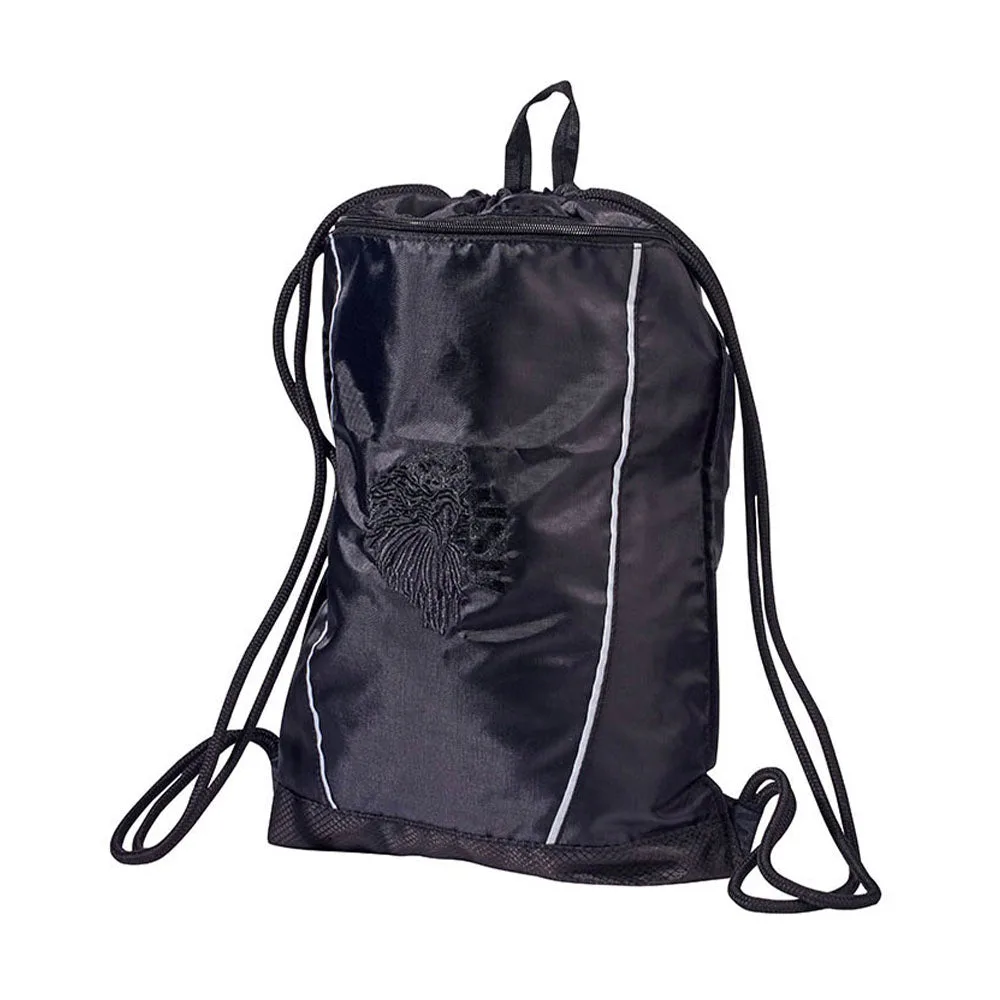
gear bag
Mastering the double belt keeper is a small but significant step in optimizing your duty belt setup. By following this guide, you'll ensure your gear stays secure, accessible, and professional-looking. For reliable and durable belt keepers and other duty gear, explore our selection at ASP, Inc. and equip yourself with the best.