Quick Answer
The most secure way to attach a personal alarm to your bag or keychain is to use a dedicated clip or keyring that keeps the alarm accessible but not dangling. For keychains, use a sturdy split ring and attach the alarm so it doesn't swing or catch on objects. For bags, clip the alarm to a zipper pull or a strap loop where you can reach it quickly without fumbling.
A personal alarm is only useful if you can reach it fast and it stays put when you move. Whether you clip it to a backpack, purse, or keychain, the attachment method matters as much as the alarm itself. A poorly secured alarm can fall off, get lost, or become buried in your bag when you need it most.
This guide walks you through practical ways to attach a personal alarm to your bag or keychain, with step-by-step methods and common mistakes to avoid. You'll learn which attachment points are most secure, how to test the connection, and how to keep the alarm accessible without compromising your comfort.
Choose the Right Attachment Point
The first step is deciding where to attach your alarm. For bags, the best spots are zipper pulls, D-rings, or strap loops that are within easy reach of your dominant hand. Avoid attaching the alarm to a dangling strap or a loose zipper that swings when you walk, as this can cause the alarm to catch on doors or railings and potentially pull off.
For keychains, a sturdy split ring is the most reliable option. Look for a split ring that is thick enough to hold the alarm's keyring hole without bending. If your alarm has a clip, test whether the clip snaps firmly onto the ring or whether you need to use a separate connector. A loose fit is a common reason alarms fall off.
- For bags: choose a zipper pull or strap loop that stays close to your body.
- For keychains: use a thick split ring that won't bend under the alarm's weight.
Secure the Alarm with a Clip or Keyring
Most personal alarms come with a built-in keyring hole or a clip. If your alarm has a keyring hole, thread a split ring through it and then attach the ring to your bag's D-ring or zipper pull. Make sure the ring is fully closed and doesn't have a gap that could slip off.
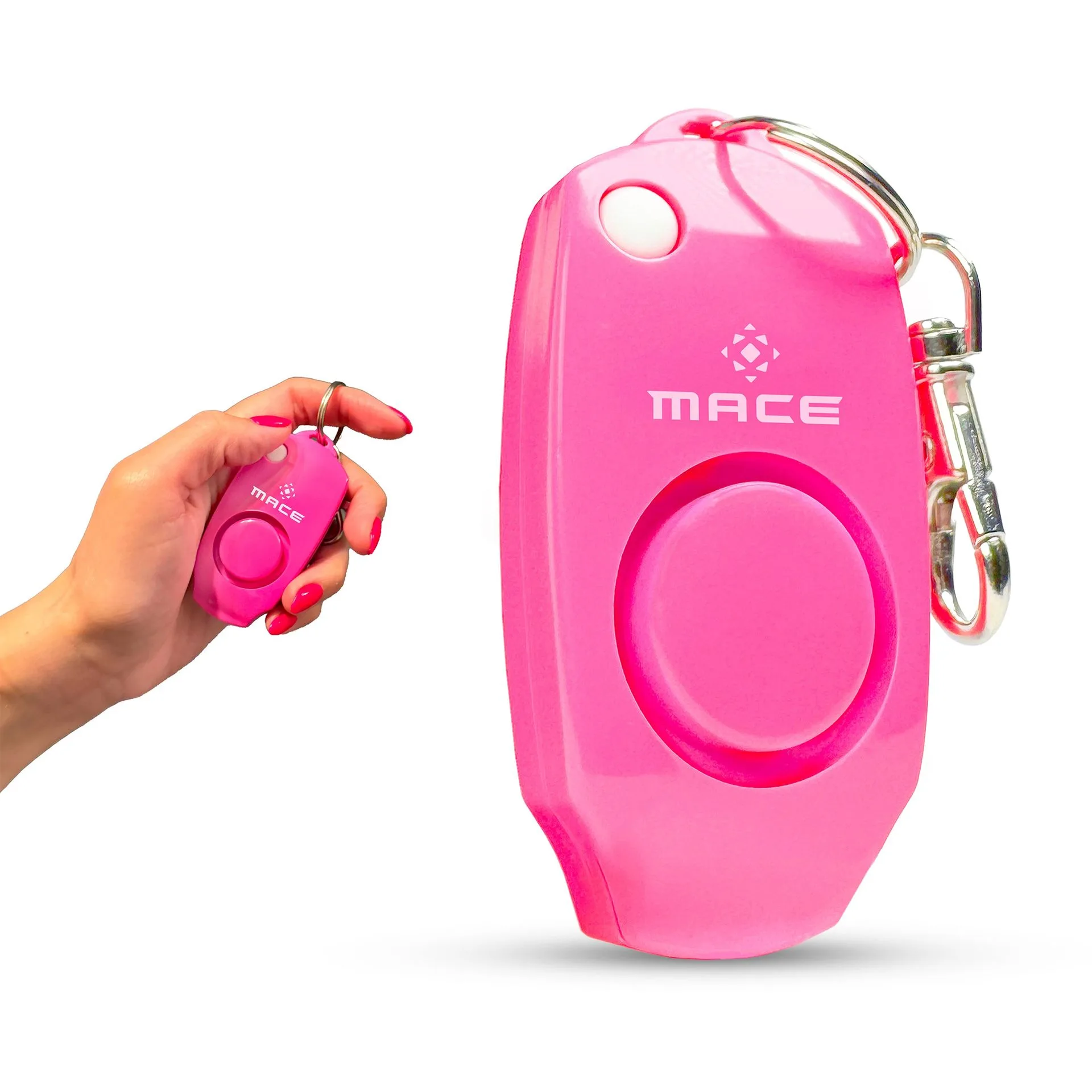
If your alarm has a clip, such as the Mace Personal Safety Alarm with Keychain, test the clip on your bag strap or belt loop. The clip should snap on with a firm click and not slide off when you tug it. If the clip feels loose, consider using a carabiner or a split ring as a backup attachment method.
- Test the clip by giving it a firm tug before you rely on it.
- Use a carabiner if the clip is too small for your bag strap.
Keep the Alarm Accessible but Not in the Way
The goal is to have the alarm within reach without it interfering with your movement. For keychains, attach the alarm to a spot where it sits flat against your keys, not dangling at the end where it could swing and hit your leg. Some people prefer to use a small pouch or a keychain holder that keeps the alarm upright.
For bags, attach the alarm to the outside of the bag, not inside a pocket. If you place it inside, you'll have to unzip and dig for it during an emergency. Instead, clip it to the zipper pull of the main compartment or a side strap, so you can grab it without looking.
- Avoid attaching the alarm to a keychain that you keep in your pocket, as it may be hard to access quickly.
- For bags, the outside zipper pull is often the fastest access point.
Test the Attachment Under Movement
Once you've attached the alarm, test it by walking, jogging, or moving your bag around. The alarm should stay in place without shifting or coming loose. If it swings too much, adjust the attachment point or use a shorter connector.
Also, test the alarm's activation while it's attached. You should be able to press the button or pull the pin without having to detach it first. If you can't, you may need to reposition the alarm so the button faces outward or is easier to reach.
- Do a quick jog in place to see if the alarm stays put.
- Practice activating the alarm while it's attached to your bag or keychain.
Step-by-Step: Secure Carry Methods
- Step 1: Choose a sturdy attachment point: For bags, pick a zipper pull or D-ring that is close to your body and easy to reach. For keychains, use a thick split ring that won't bend. Checkpoint: The attachment point should be within arm's reach and not swing excessively.
- Step 2: Attach the alarm securely: Thread a split ring through the alarm's keyring hole, or snap the clip onto a strap. Ensure the connection is tight and there is no gap. Checkpoint: Give the alarm a firm tug to confirm it won't come off.
- Step 3: Position the alarm for quick access: Orient the alarm so the activation button or pin is facing outward and not blocked by other items. For keychains, keep it flat against your keys. Checkpoint: Practice activating the alarm while it's attached to ensure you can do it without detaching.
- Step 4: Test under movement: Walk, jog, or move your bag around to see if the alarm stays in place. Adjust the attachment if it shifts or swings too much. Verdict: If the alarm stays put and you can activate it quickly, your carry method is secure.
Product Facts
- Mace Personal Safety Alarm with Keychain - Pink: LOUD & POWERFUL SIREN: This Mace personal safety alarm emits a loud, ear-piercing 130 decibel siren to scare off threats and draw attention for help. EASY TO USE: Push the front button to activate the alarm and the back button to turn it off. Designed for immediate deployment in high-stress situations. BUILT IN WHISTLE: Equipped with a backup emergency whistle for extra security in the event the siren fails to... The keychain design and easy-to-use front button make it ideal for attaching to a bag or keychain, allowing quick activation without fumbling.
Attaching a personal alarm securely to your bag or keychain is a simple but important step in making sure it's there when you need it. By choosing the right attachment point, using a sturdy connector, and testing the setup under movement, you can carry your alarm with confidence. Remember to check the attachment regularly, especially if you switch bags or keys.