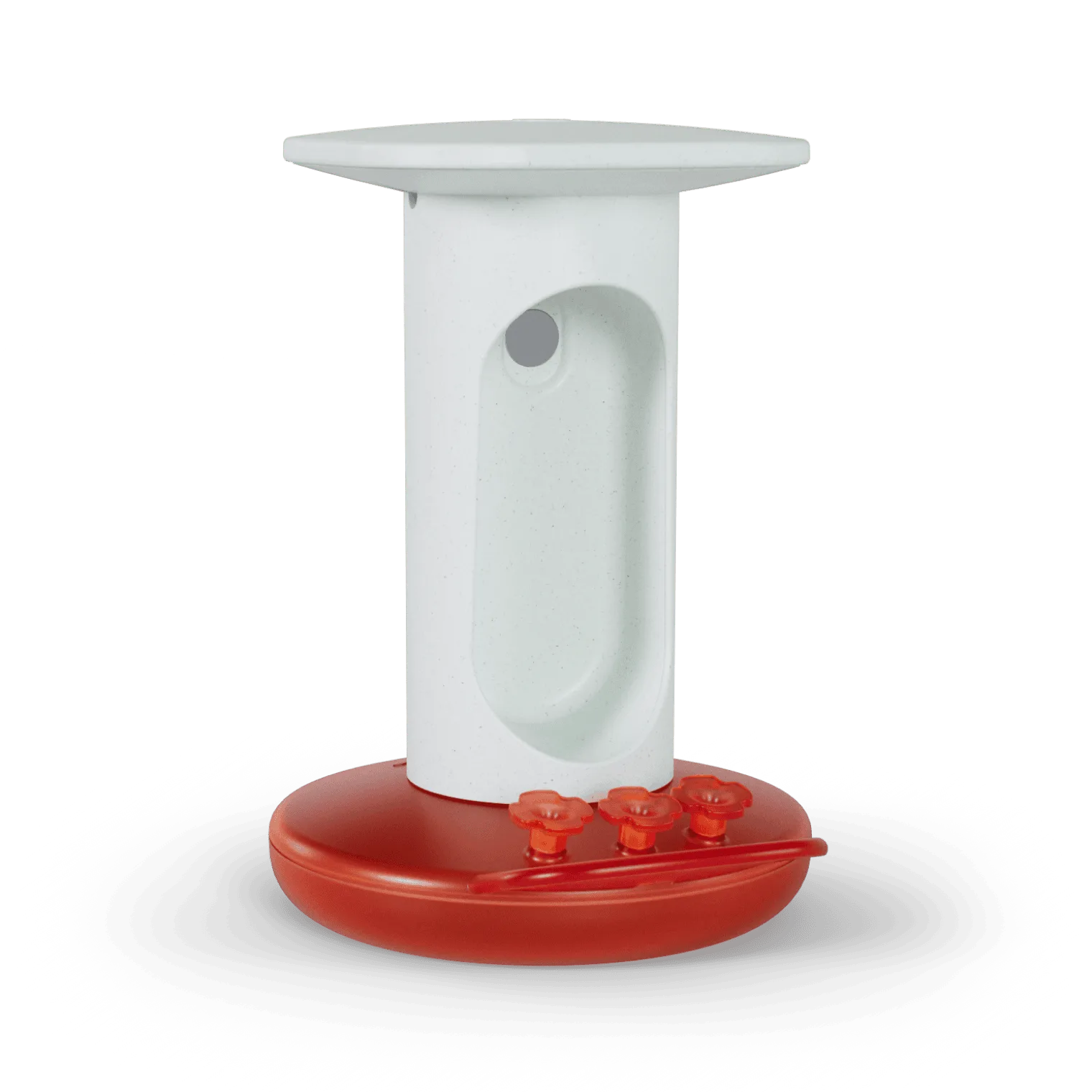
Pollinators like bees, butterflies, and hummingbirds are vital to a healthy garden ecosystem. Yet many of these beneficial creatures face habitat loss and declining food sources. Creating a dedicated space for them doesn't have to be complicated—a purpose-built container like the Pollinator Pot can make a real difference. Whether you have a sprawling backyard or a small balcony, this simple tool helps you support local pollinators while adding natural beauty to your outdoor space.
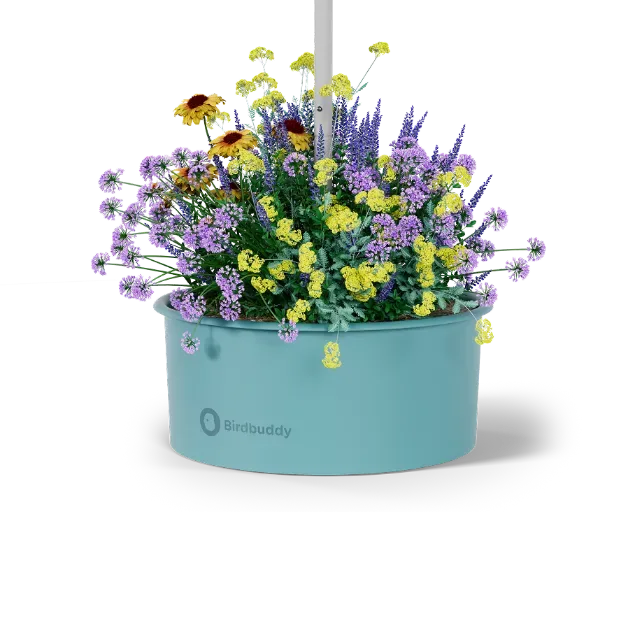
Pollinator Pot
In this guide, we'll share practical tips for getting the most out of your Pollinator Pot, from ideal placement and plant selection to ongoing care. You'll also learn how to pair it with other Birdbuddy essentials to create a pollinator-friendly haven that keeps bees and butterflies coming back season after season.
Choosing the Right Location for Your Pollinator Pot
Placement is one of the most important factors in attracting pollinators. Most bees and butterflies prefer sunny spots because they rely on warmth to stay active and on sunlight to navigate. Position your Pollinator Pot in an area that receives at least six hours of direct sunlight each day. A south-facing patio, a sunny windowsill, or a spot near a garden bed are all excellent choices. Avoid deep shade, as it reduces flower production and makes the pot less visible to flying visitors.
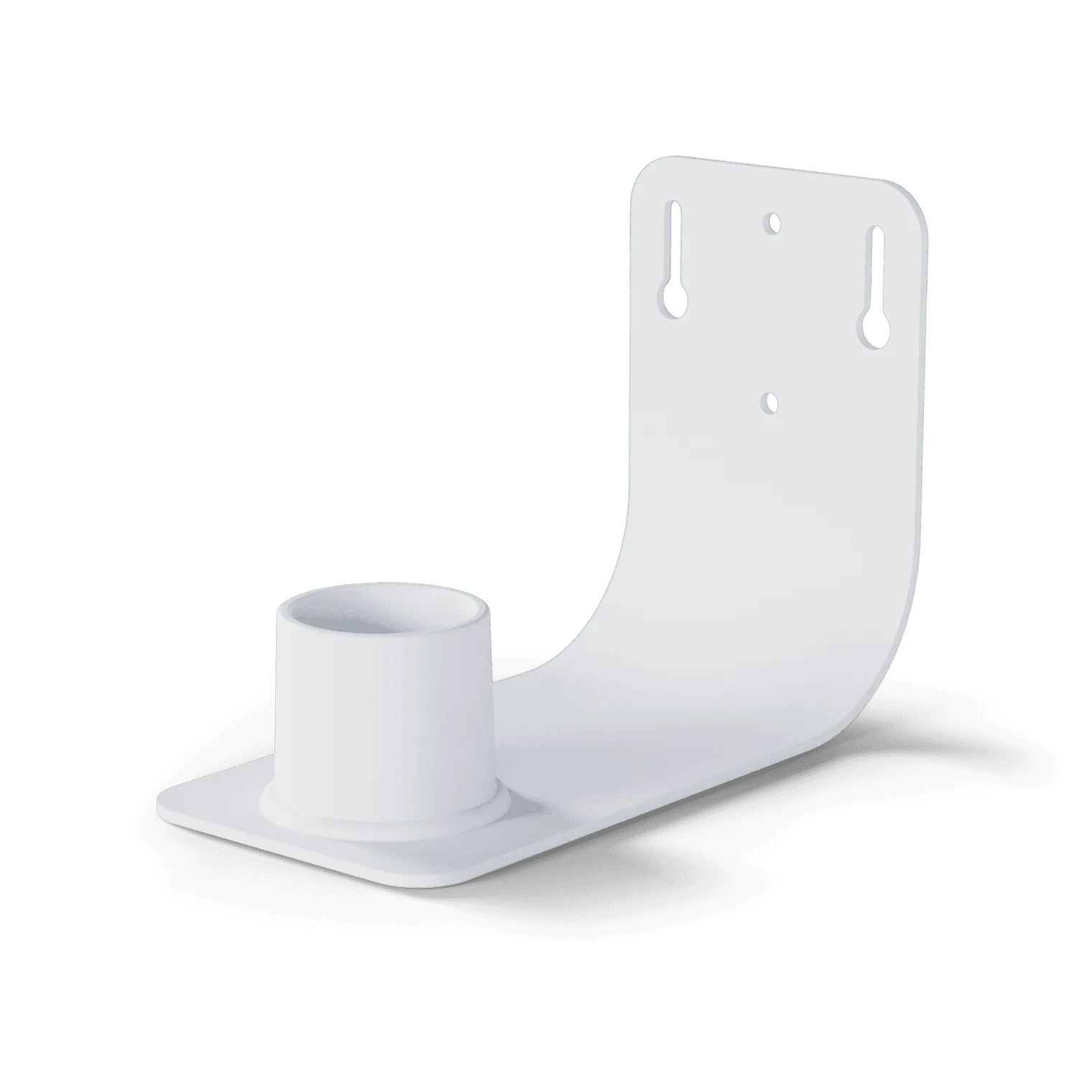
Shelter from strong winds is also key. A gusty location can make it hard for butterflies to land and for bees to forage efficiently. If your chosen spot is exposed, consider placing the pot near a wall, fence, or hedge that provides a natural windbreak. Additionally, ensure there is a nearby water source—a shallow dish with pebbles or a birdbath—so pollinators can drink and regulate their body temperature. The Pollinator Pot itself can be placed on a flat, stable surface or hung using a compatible mount.
- Full sun (6+ hours daily) for maximum flower production and pollinator activity.
- Wind-protected area to make feeding easier for butterflies and bees.
- Near a shallow water source or a damp patch for drinking and cooling.
- Elevated placement (like a table or railing) to keep flowers clean and reduce pests.
Best Plants to Pair with the Pollinator Pot
The Pollinator Pot is designed to hold a variety of flowering plants, but choosing the right ones makes all the difference. Native wildflowers are ideal because they co-evolved with local insects and provide the nectar and pollen that native bees and butterflies need. Consider planting milkweed for monarch butterflies, coneflower for bees, and verbena for a long blooming season. You can also add herbs like lavender, rosemary, or thyme, which attract both pollinators and beneficial predatory insects.
Create a mix of flower shapes and colors to appeal to different species. Bees are drawn to blue, purple, and yellow blossoms, while butterflies favor bright reds, oranges, and pinks. Planting in clusters rather than single stems makes it easier for pollinators to spot and access the blooms. The Pollinator Pot's depth and drainage support healthy root growth, so you can experiment with annuals and perennials alike. Remember to choose plants that bloom at different times of the year to provide a continuous food supply from spring through fall.
- Native wildflowers: milkweed, coneflower, black-eyed Susan.
- Herbs: lavender, rosemary, thyme, mint (in a contained pot).
- Color variety: blue/purple for bees, red/orange for butterflies.
- Succession planting: early (crocus), mid (zinnias), late (asters).
Maintaining a Pollinator-Friendly Environment
Once your Pollinator Pot is planted, ongoing care is straightforward but important. Water regularly—pollinators need moisture, but soggy soil can harm roots. A drip tray or self-watering setup can help maintain consistent moisture. Avoid using chemical pesticides, as they are toxic to bees and butterflies. Instead, manage pests manually or with organic options like neem oil, and encourage natural predators such as ladybugs and lacewings.
Deadheading spent flowers will encourage more blooms and extend the nectar supply. At the end of the season, leave some stems and seed heads in place, as they provide overwintering habitat for beneficial insects. The Pollinator Pot itself is easy to clean and store when not in use, but you can also keep it planted with hardy perennials that return each year. By maintaining a pesticide-free zone and providing consistent care, you create a safe haven that pollinators will visit repeatedly.
- Water deeply but infrequently to avoid root rot.
- Skip synthetic pesticides—opt for organic pest control methods.
- Deadhead regularly to promote continuous flowering.
- Leave some plant material in winter for insect shelter.
Complementing the Pollinator Pot with Other Birdbuddy Products
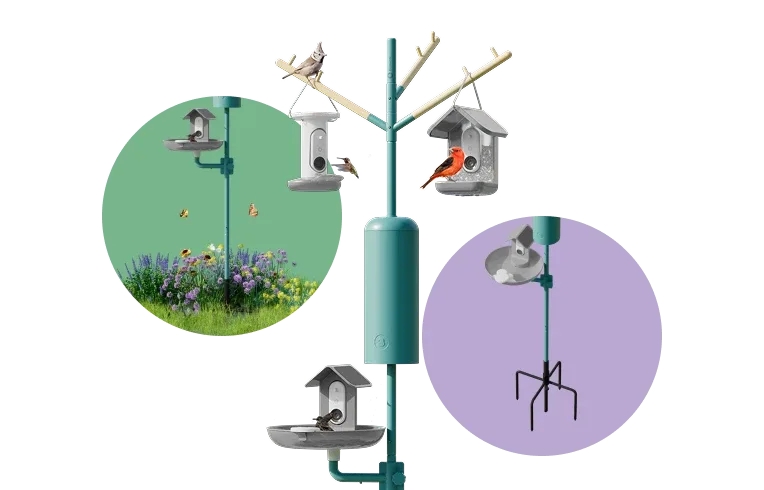
A single Pollinator Pot is a great start, but you can expand your pollinator garden by pairing it with other Birdbuddy accessories. For example, the 3-in-1 Nutrition Set offers a versatile feeding station that holds seeds, nectar, and suet—perfect for attracting hummingbirds and fruit-eating birds alongside your bees and butterflies. Placing the Nutrition Set near your Pollinator Pot creates a diverse feeding hub that supports a wider range of wildlife.
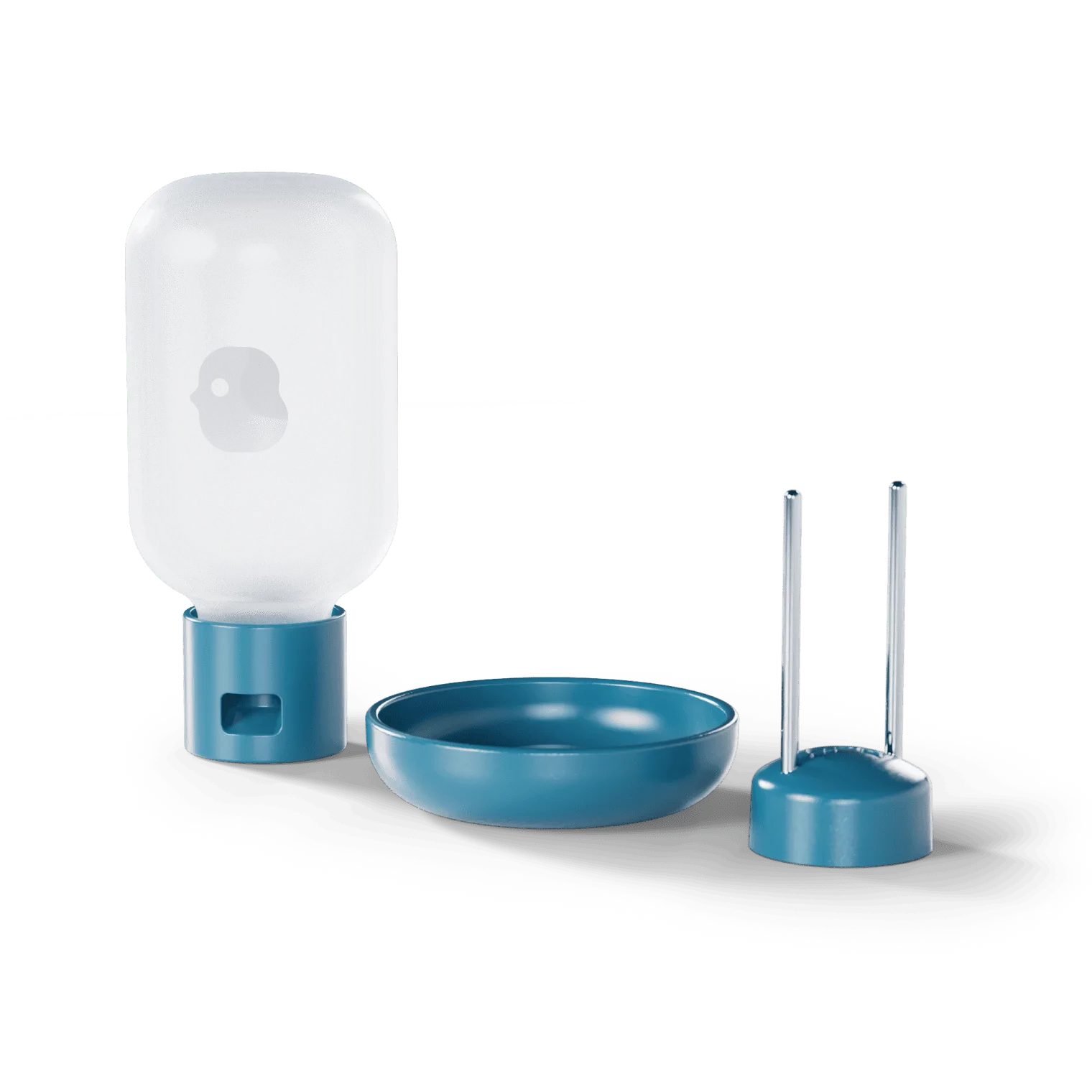
3-in-1 Nutrition Set
If you want to add a water feature, consider a shallow birdbath or a damp patch of soil. The Solar Roof can also be used to power a small fountain or light near your Pollinator Pot, making the area more inviting at dusk. By combining the Pollinator Pot with these complementary products, you create an integrated ecosystem that benefits both pollinators and birds. This layered approach maximizes your garden's appeal and makes bird and insect watching more rewarding.
- Pair with the 3-in-1 Nutrition Set for hummingbird-friendly nectar and seeds.
- Use a Solar Roof to add gentle lighting or water movement without wiring.
- Position multiple Pollinator Pots in a row for a colorful border.
- Add a Perch Extender to nearby feeders for comfortable bird watching.
Whether you are a seasoned gardener or just starting out, the Pollinator Pot is a simple yet powerful tool to support local bees, butterflies, and other beneficial insects. By following these tips for placement, plant choice, and ongoing care, you can turn any outdoor space into a thriving pollinator refuge. Ready to make a difference? Explore the Pollinator Pot today and start building your own pollinator-friendly garden.