The kitchen is often the heart of the home, but for a curious baby, it can be a minefield of dangers. From hot stoves to sharp utensils and cleaning chemicals, the kitchen presents numerous hazards that require careful childproofing. Baby-proofing your kitchen is not just about preventing accidents; it’s about creating a safe environment where your child can explore and learn without constant supervision.
In this guide, we’ll walk you through the essential steps to baby-proof your kitchen, including installing safety gates, securing cabinets, and using the right products to keep your baby safe. We’ll also highlight some of the best childproofing tools available at PandaEar to make your kitchen a worry-free zone.
Why Kitchen Safety Gates Are a Must-Have
A kitchen safety gate is one of the most effective ways to keep your baby out of harm’s way. By installing a gate at the kitchen entrance, you can create a physical barrier that prevents your child from entering while you are cooking or cleaning. This is especially important if your kitchen has an open floor plan that connects to the living or dining area.
When choosing a safety gate, look for one that is sturdy, easy to install, and has a childproof lock. Pressure-mounted gates are convenient for doorways, while hardware-mounted gates offer more security for top-of-stairs use. At PandaEar, you can find reliable options that blend safety with ease of use, ensuring your baby stays where you want them.
- Install the gate at the kitchen doorway to block access during cooking.
- Choose a gate that meets safety standards and has a wide opening for adults.
- Consider a gate with a walk-through door for convenience.
Childproof Kitchen Cabinets and Drawers
Cabinets and drawers are irresistible to little hands. They contain everything from sharp knives to cleaning supplies and heavy pots. To childproof your kitchen cabinets, you’ll need reliable locks or latches that are easy for adults to operate but impossible for toddlers to open.
There are several types of cabinet locks: magnetic locks, adhesive latches, and sliding locks. Magnetic locks are popular because they are hidden and require a key to open, making them a sleek choice. Adhesive latches are simple to install and work well on most cabinets. For drawers, consider using a Binky Holder Clips (4 Pack) to secure handles or use specialized drawer locks. Remember to also lock cabinets that contain glassware or heavy items to prevent tipping.
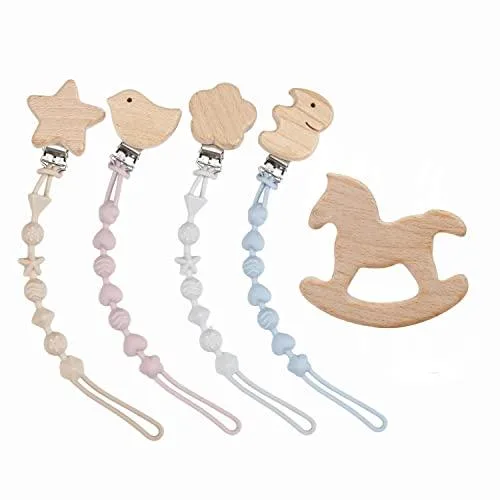
Binky Holder Clips (4 Pack)
- Use adhesive latches on cabinets that contain cleaning products or sharp objects.
- Install magnetic locks on lower cabinets for a clean look.
- Secure drawers with sliding locks or childproof handles.
Stove and Oven Safety: Preventing Burns and Fires
The stove and oven are among the most dangerous appliances in the kitchen. Hot surfaces, boiling water, and open flames can cause serious burns. To protect your baby, install stove knob covers to prevent them from turning on the burners. Also, use an oven lock to keep the oven door closed.
Another important safety measure is to use the back burners whenever possible and turn pot handles inward so they cannot be grabbed. You can also install a stove guard or a barrier that prevents little hands from reaching the burners. For added peace of mind, keep a fire extinguisher nearby and ensure your smoke detectors are working.
- Install stove knob covers to prevent accidental ignition.
- Always use back burners and turn pot handles away from the edge.
- Consider a stove guard or barrier for extra protection.
Securing Appliances and Cords
Small appliances like toasters, blenders, and coffee makers can be pulled down by a curious baby. Secure them with appliance straps or place them out of reach. Also, keep cords from appliances, such as kettles and microwaves, tucked away or use cord shorteners to prevent tripping or pulling.
For larger appliances like refrigerators and dishwashers, consider using anti-tip straps if they are not already anchored. Additionally, make sure that any appliance with a hot surface, like a toaster oven, is placed on a stable counter where your baby cannot reach it.
- Use appliance straps to secure countertop devices.
- Tuck away or shorten electrical cords to prevent pulling.
- Anchor large appliances if they are not already secured.
Safe Food Storage and Eating Areas
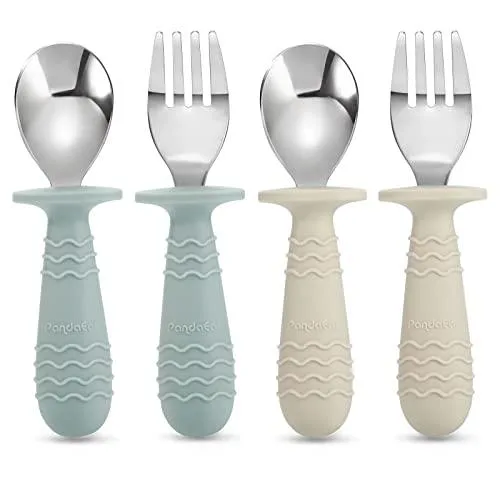
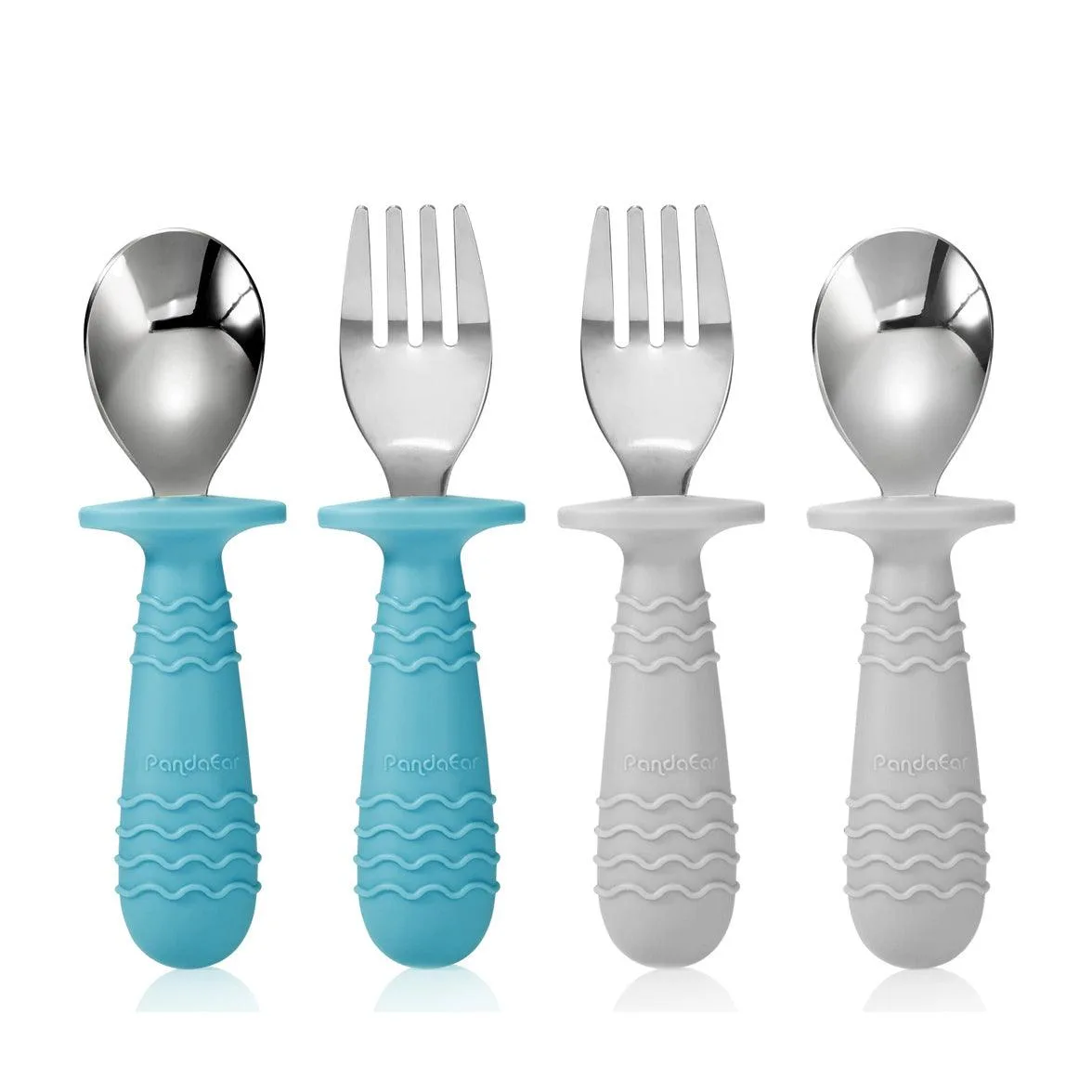
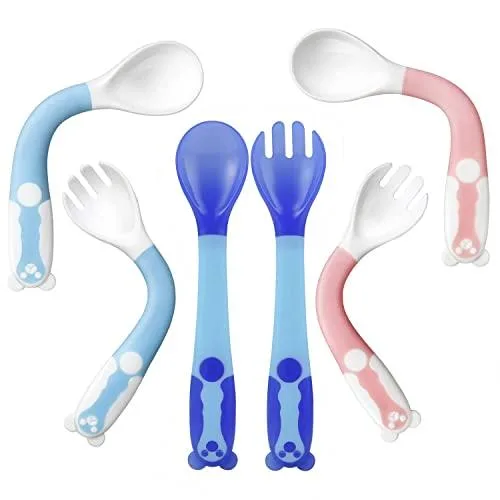
Once your baby starts eating solid foods, the kitchen becomes a place for meals and snacks. To make mealtime safe and enjoyable, use baby-friendly dinnerware that is free from harmful chemicals. Silicone plates and bowls are a great choice because they are soft, non-toxic, and resistant to breaking.
At PandaEar, you can find a variety of feeding sets that are perfect for self-feeding. A Feeding Set includes a plate, bowl, and cup made from food-grade silicone, making it easy for your baby to learn to eat independently. Also, use a https://terracradle.shop/products/training-cup-2-pack-120787https://terracradle.shop/products/training-cup-2-pack-120788Training Cup (2 Pack) to help your baby transition from bottle to cup safely. These cups have soft spouts and are designed to minimize spills.
- Use silicone plates and bowls to reduce breakage and chemical exposure.
- Choose a feeding set that includes all essentials for mealtime.
- Introduce a training cup to help your baby learn to drink independently.
Creating a Baby-Friendly Kitchen Zone
While it’s important to keep your baby out of the kitchen during cooking, you can also create a safe area within the kitchen where your baby can play or sit while you work. Designate a low cabinet or drawer for baby-safe items like plastic bowls, wooden spoons, or silicone toys. This gives your baby a sense of involvement without the risks.
You can also set up a highchair in a corner away from the stove and counters. Use a highchair that is stable and has a harness to keep your baby secure. For bath time or kitchen cleanup, an Inflatable Bathtub can be a fun way to give your baby a quick wash in the kitchen sink, but always supervise closely.
- Designate a safe cabinet for baby-friendly items.
- Place the highchair in a safe spot away from hazards.
- Use a bathtub or sink for quick cleanups, but never leave your baby unattended.
Baby-proofing your kitchen requires a combination of safety gates, cabinet locks, appliance anchors, and safe feeding products. By taking these steps, you can turn your kitchen into a safer space for your little one to explore. For high-quality childproofing and feeding essentials, explore the range of products available at PandaEar, including the Feeding Set and Training Cup (2 Pack), designed to make mealtime safe and fun.