Baking is a beloved pastime, but for those following a low-carb or keto lifestyle, traditional flour can be a deal-breaker. Wheat flour is packed with carbs, making it off-limits for anyone watching their blood sugar or ketone levels. Fortunately, low-carb flours like almond flour, coconut flour, and flax meal open up a world of possibilities for creating decadent desserts that fit your macros. Whether you’re craving a soft cookie, a moist cake, or a flaky pastry, understanding how to bake with these alternative flours is key to success.
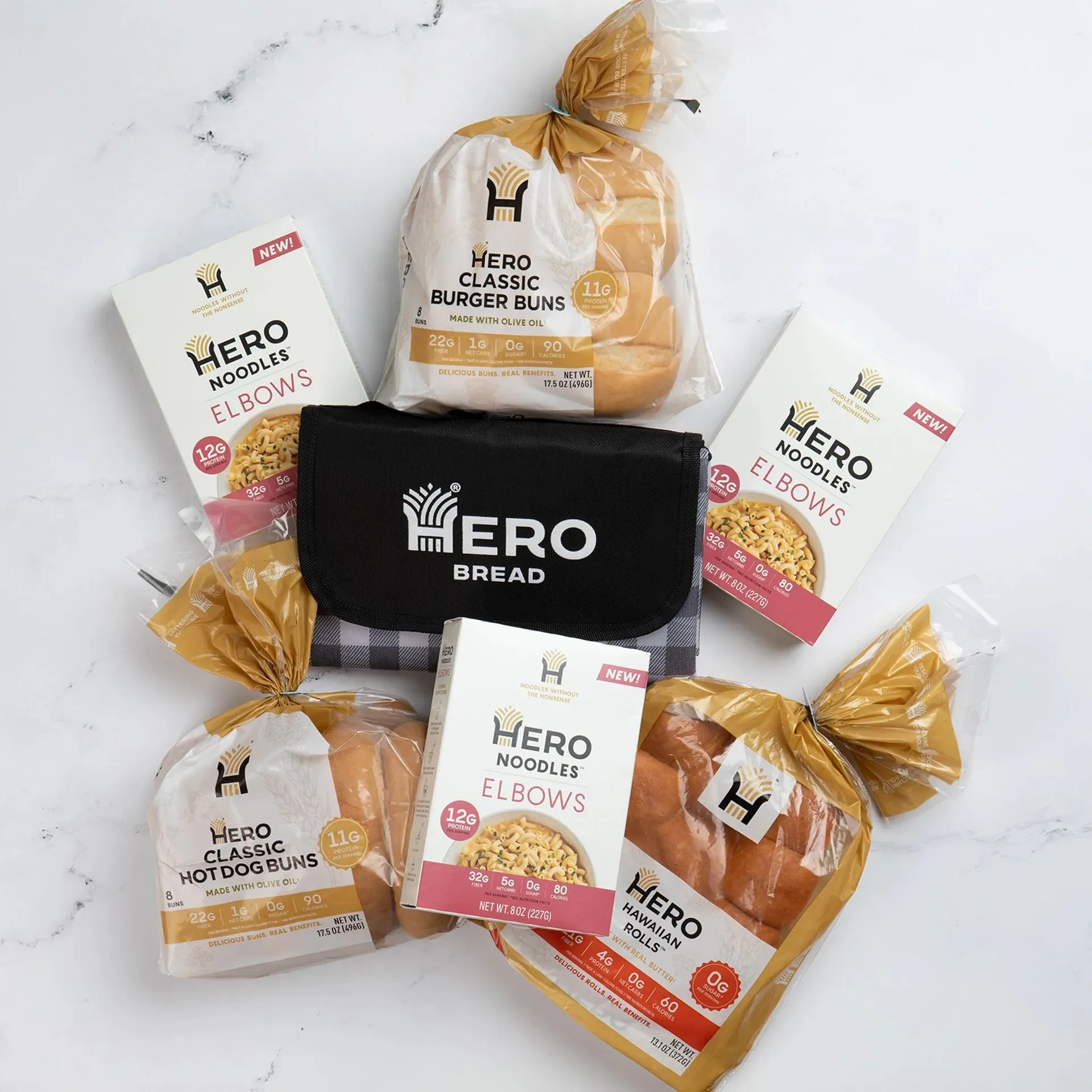
In this guide, we’ll walk you through the essentials of low-carb baking, from choosing the right flour to balancing moisture and sweetness. You’ll learn how to adapt your favorite recipes and discover how products like Hero Noodles Penne can even inspire savory-sweet creations. Plus, we’ll share tips for stocking your pantry with essentials like the Party Sidekick Bundle to make keto baking a breeze.
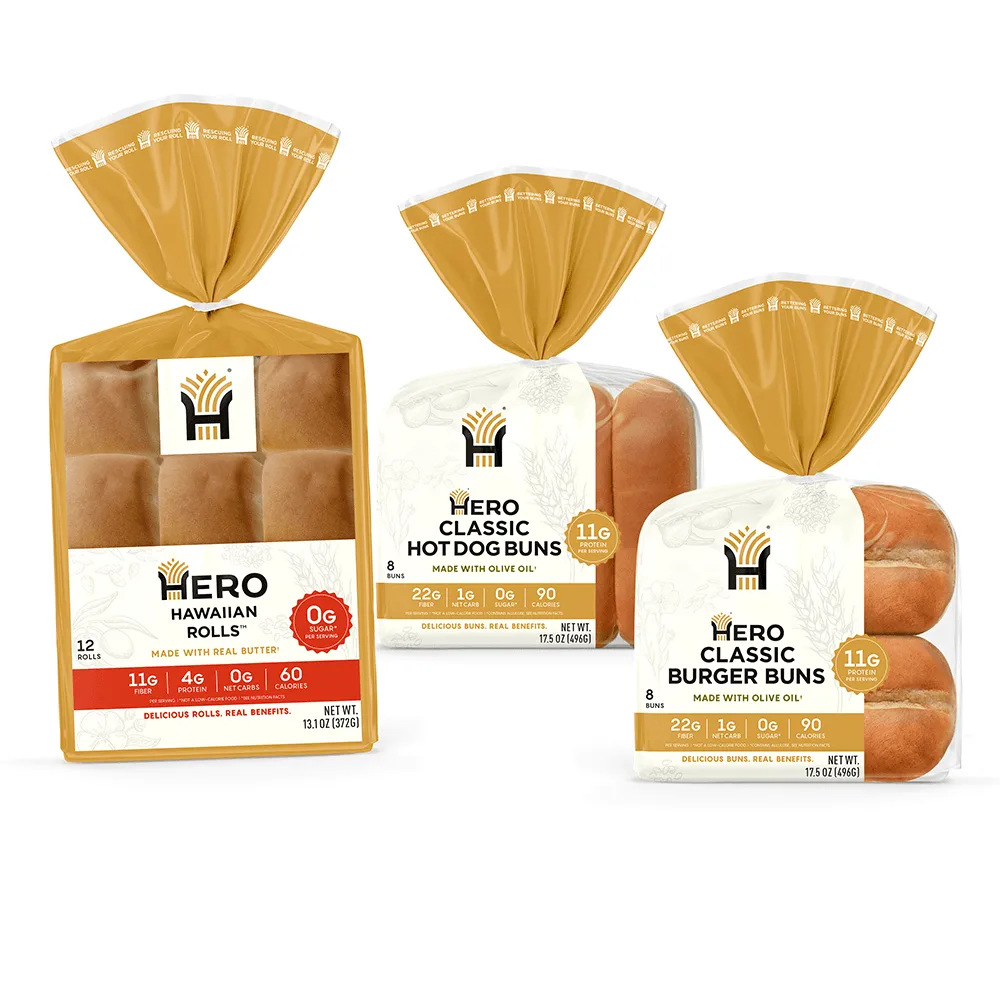
Party Sidekick Bundle
Understanding Low-Carb Flours: Almond Flour vs. Coconut Flour
Almond flour is the most popular low-carb baking flour, made from finely ground blanched almonds. It has a mild, nutty flavor and a texture similar to wheat flour, making it ideal for cookies, muffins, and pie crusts. Because it’s high in healthy fats and protein, almond flour provides structure and moisture without the carbs. However, it can be dense, so recipes often require extra leavening agents like baking powder or eggs.
Coconut flour, on the other hand, is much more absorbent and requires more liquid or eggs to achieve the right consistency. It has a light, airy texture and a subtle coconut taste that pairs well with chocolate and tropical flavors. Because it’s highly absorbent, you’ll typically use less coconut flour than almond flour in a recipe. For best results, start with a recipe specifically designed for coconut flour rather than substituting it for almond flour directly.
- Almond flour: Best for denser baked goods like brownies and shortbread
- Coconut flour: Best for light, fluffy cakes and muffins
- Flax meal: Adds fiber and a nutty flavor, great for breads and crackers
Key Tips for Successful Low-Carb Baking
Low-carb baking requires a few adjustments compared to traditional baking. First, always measure your flour by weight rather than volume, as low-carb flours can pack differently. A kitchen scale ensures accuracy and prevents dry or gummy results. Second, increase the number of eggs or add extra moisture in the form of yogurt, sour cream, or cream cheese. These ingredients help bind the dough and add richness.
Sweeteners also play a crucial role. Use keto-friendly sweeteners like erythritol, stevia, or monk fruit that measure like sugar. Granulated erythritol works well for most recipes, but it can create a cooling sensation in the mouth. To avoid this, combine erythritol with a small amount of stevia or use a blend. For a caramel-like depth, try brown sugar alternatives. And don’t forget to adjust baking times—low-carb baked goods often brown faster, so check for doneness a few minutes early.
- Use a kitchen scale for precise measurements
- Add extra eggs or moisture to compensate for dry flours
- Sweeteners: erythritol, stevia, monk fruit, or allulose
Delicious Low-Carb Dessert Ideas to Try
Once you’ve mastered the basics, the dessert possibilities are endless. Try making almond flour chocolate chip cookies—they’re chewy, buttery, and only have a fraction of the carbs. For a showstopper, bake a coconut flour lemon cake topped with a sugar-free glaze. It’s light, tangy, and perfect for special occasions. You can also experiment with savory-sweet combinations, like a low-carb pasta dessert using Hero Noodles Penne. Toss them in a cinnamon-erythritol mixture and bake until crispy for a unique keto-friendly treat.
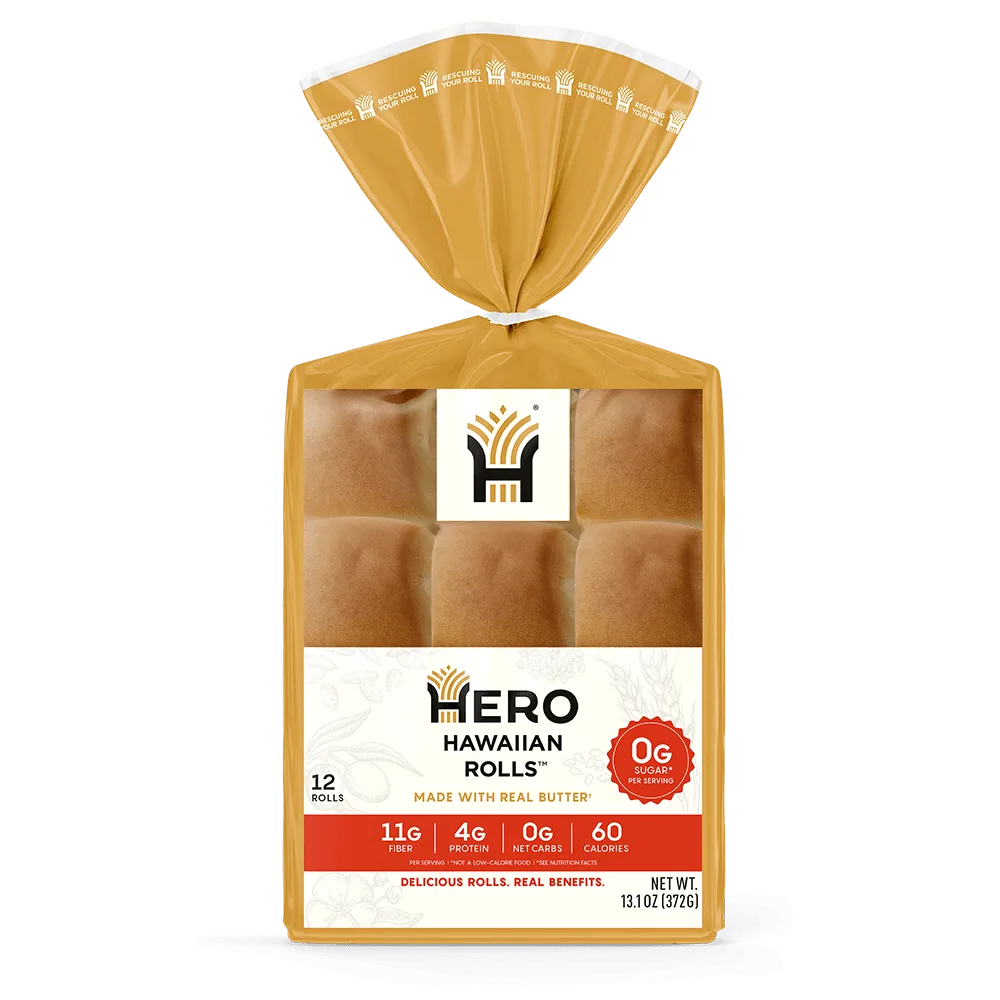
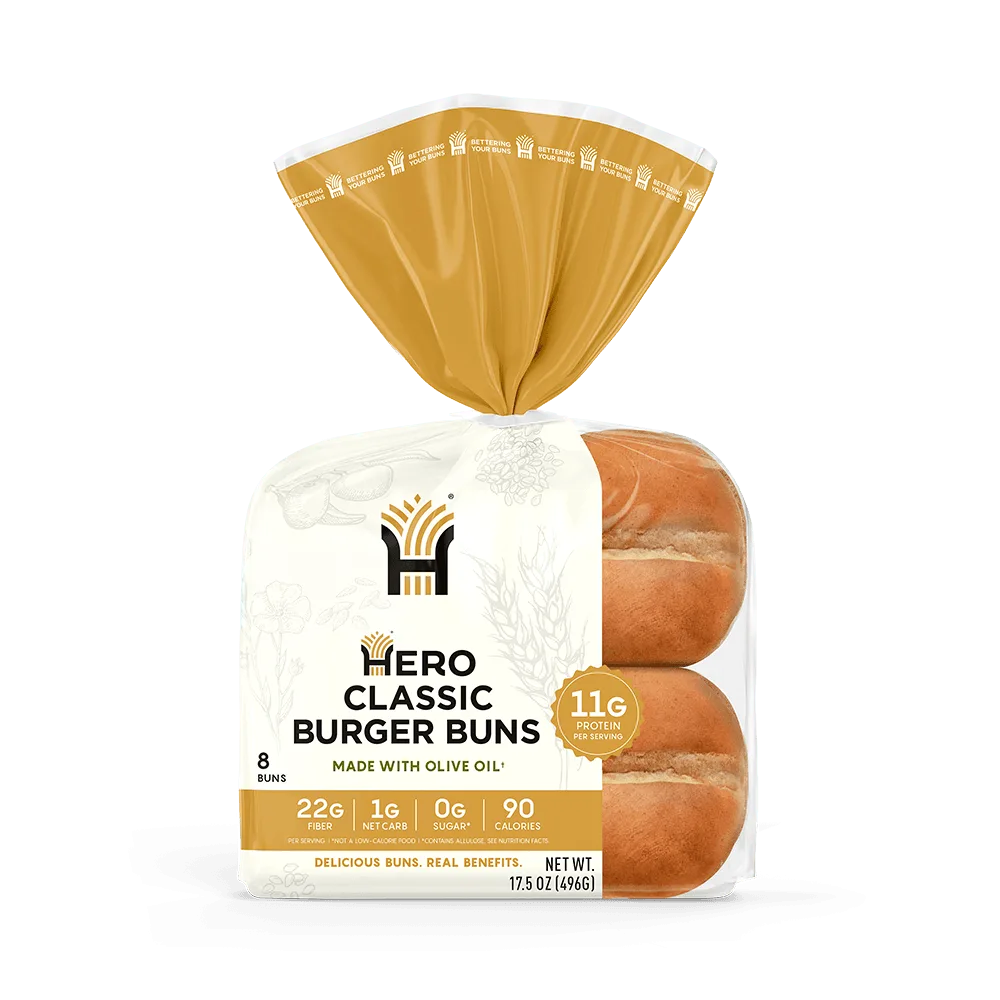
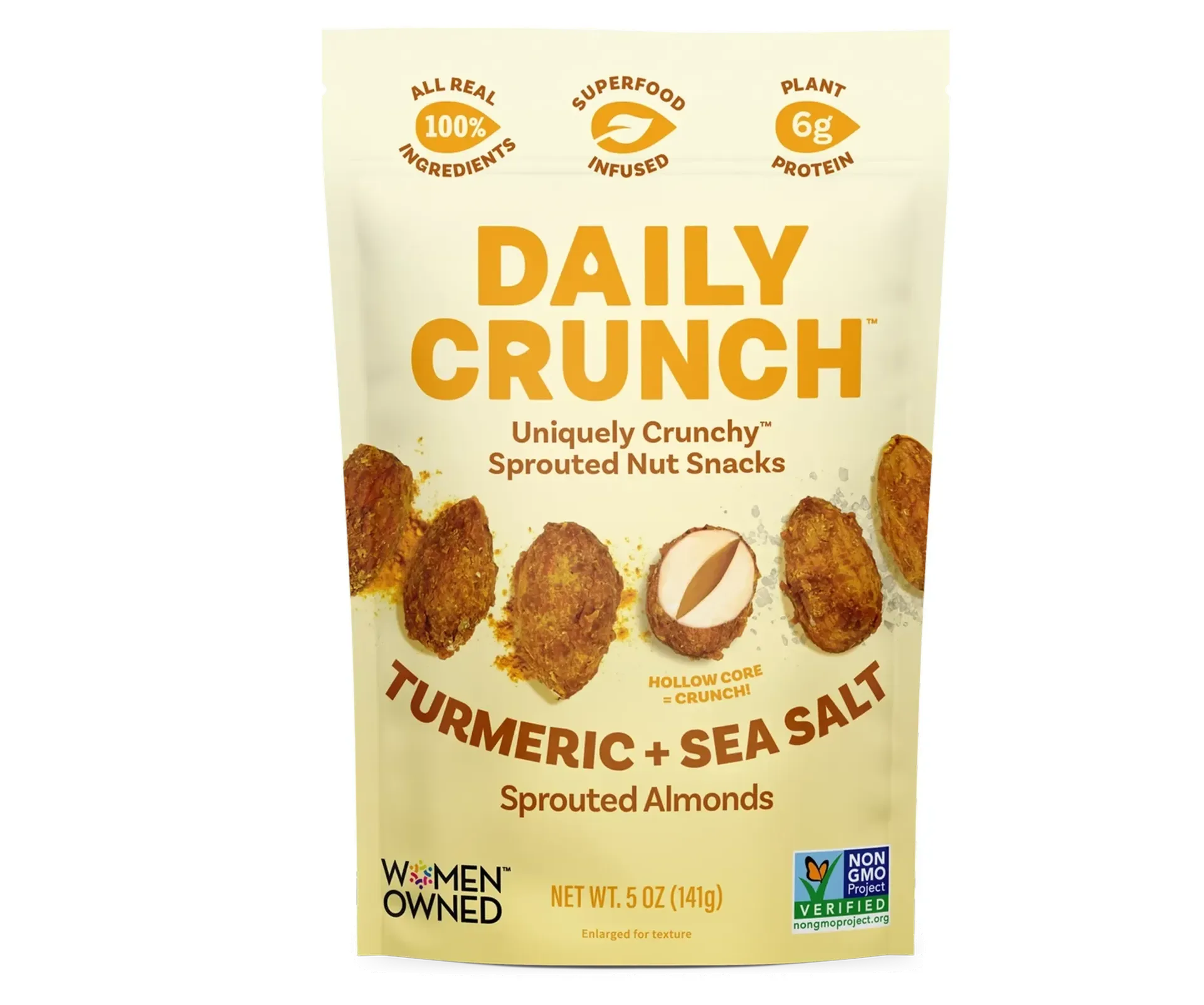
Another creative idea is to use low-carb tortillas as a base for dessert quesadillas or cinnamon crisps. Simply brush them with melted butter, sprinkle with sweetener and cinnamon, and bake until golden. For a complete low-carb pantry, consider the Party Sidekick Bundle, which includes tortillas, buns, and snacks—perfect for both sweet and savory recipes. And if you’re looking for variety, the Between Two Slices Bundle offers sliced bread and buns that can be transformed into French toast or bread pudding.
- Almond flour chocolate chip cookies
- Coconut flour lemon cake with sugar-free glaze
- Cinnamon-sugar tortilla crisps using low-carb tortillas
Common Mistakes to Avoid in Low-Carb Baking
One of the biggest mistakes is over-mixing the batter. Low-carb flours lack gluten, so over-mixing can lead to a dense, tough texture. Mix just until ingredients are combined. Another common error is using too much sweetener, which can cause an unpleasant aftertaste or make the dessert overly soft. Start with the recommended amount and adjust to your taste. Also, avoid substituting almond flour for coconut flour one-to-one—they behave very differently.
Finally, don’t skip the resting time. Many low-carb batters benefit from a 10-15 minute rest to allow the flours to absorb moisture. This step prevents a gritty texture and ensures even baking. With these tips in mind, you’ll be able to create keto desserts that rival their traditional counterparts in flavor and texture.
- Don’t over-mix the batter
- Use the correct sweetener ratio
- Allow batter to rest before baking
Low-carb baking doesn’t have to be intimidating. With the right flours, sweeteners, and techniques, you can enjoy all your favorite desserts while staying on track with your keto goals. Start your baking adventure today by exploring the versatile products in the Party Sidekick Bundle, which includes everything you need for both sweet treats and savory meals.