If you’ve ever tasted a loaf made with organic malthouse bread flour, you know it’s something special. The deep, toasty, slightly sweet maltiness comes from malted wheat flakes and roasted barley, which give the flour its characteristic speckled appearance and rich aroma. Baking with this flour is a joy, but it does ask for a few adjustments compared to standard bread flour.
In this guide, we’ll walk you through everything you need to know about baking with organic malthouse bread flour—from hydration levels and mixing times to shaping and scoring. Whether you’re a seasoned baker or just starting your bread journey, these tips will help you create a distinctive malty loaf that’s full of flavor and character.
What Makes Organic Malthouse Bread Flour Special?
Organic malthouse bread flour is a blend of strong white flour and malted wheat flakes, often with a little roasted barley for that extra depth. The malted grains are soaked, germinated, and then dried and flaked, which develops enzymes that convert starches into sugars. This gives the flour a natural sweetness and a slightly darker color, and it also affects how the dough behaves.
Because of the malted flakes, the flour absorbs water differently than plain strong white flour. The flakes themselves are like little sponges, so you’ll need a higher hydration—typically 70% to 75%—to achieve a soft, workable dough. This extra moisture also helps the loaf stay moist for longer, which is one of the reasons malthouse bread is so loved.
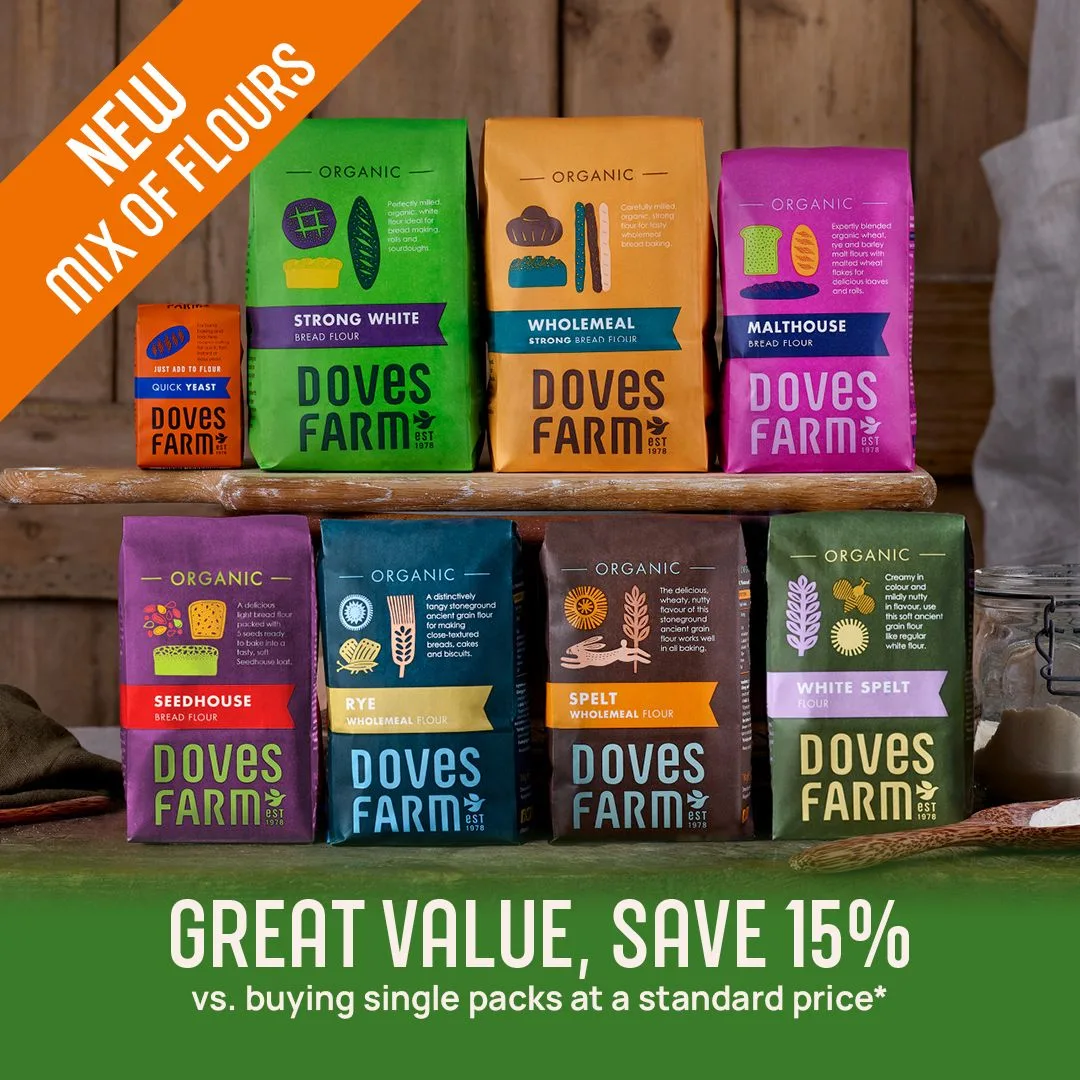
- Look for a high-quality organic malthouse bread flour, such as Doves Farm Organic Malthouse Bread Flour 25kg, which offers consistent results.
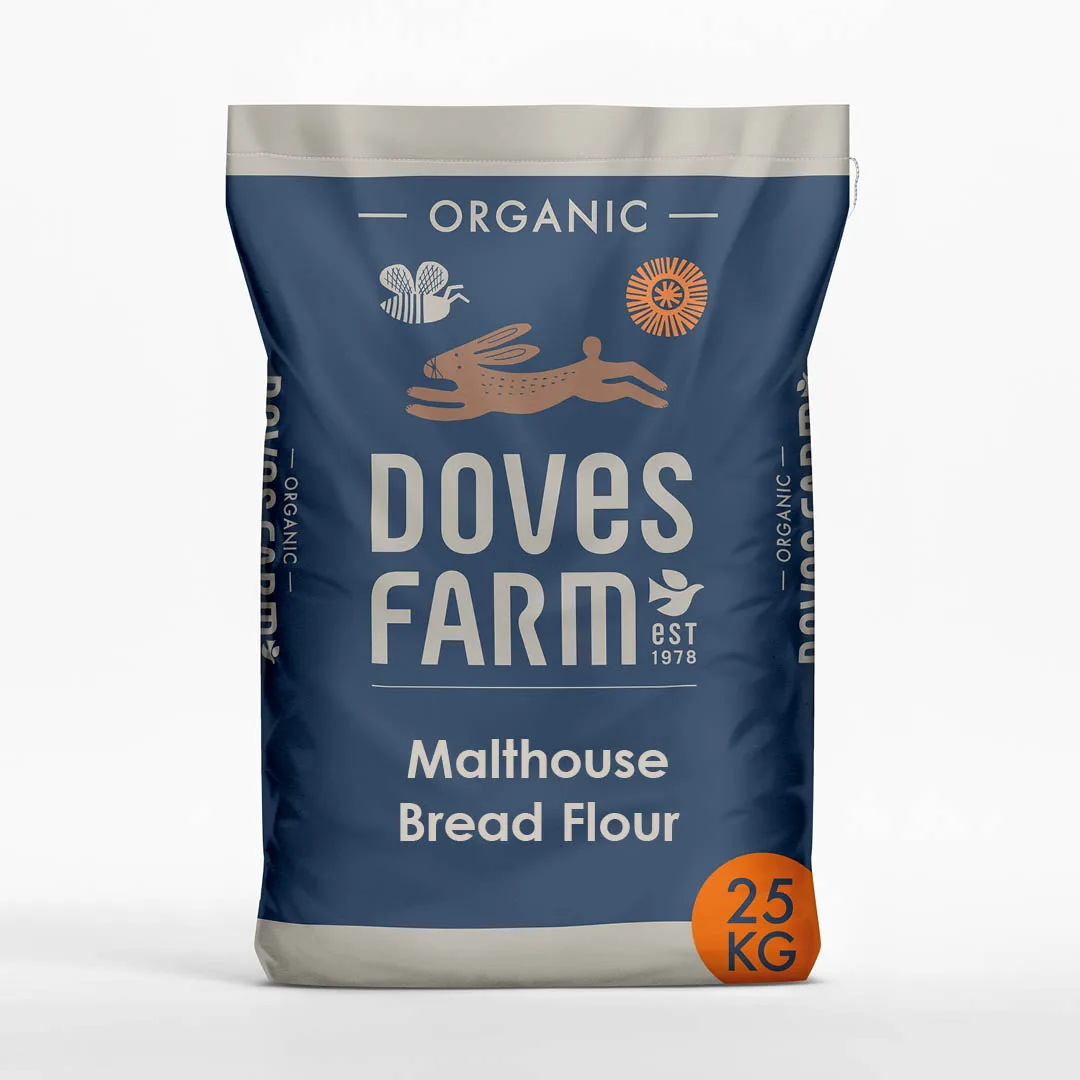
Doves Farm Organic Malthouse Bread Flour 25kg
- The malted flakes add a rustic texture and a beautiful speckled crumb.
- Expect a slightly slower rise than with plain white flour, so plan for a longer fermentation.
Hydration: The Key to a Great Malthouse Loaf
When baking with malthouse flour, the most important tip is to use enough water. A stiff, dry dough will result in a dense, heavy loaf that doesn’t showcase the flour’s potential. Start with a hydration of 70% (that’s 700g water for 1000g flour) and adjust from there. The malted flakes will absorb a lot of water during the autolyse, so don’t be alarmed if the dough seems slack at first.
A great way to improve the texture is to let the dough rest for 20-30 minutes after mixing the flour and water, before adding salt and yeast. This autolyse period allows the flakes to fully hydrate and the gluten to develop naturally, making the dough easier to handle and giving you a more open crumb. If you’re using a stand mixer, mix on low speed for a few minutes, then let it rest.
- Use lukewarm water (around 75°F/24°C) to encourage yeast activity.
- If the dough feels too sticky, resist adding more flour—instead, use wet hands to handle it.
- For a beginner-friendly version, try a 70% hydration and adjust as you get comfortable.
Fermentation: Developing the Malty Flavor
The distinctive malty taste of malthouse bread flour comes from the sugars produced by the malted grains. To let these flavors shine, you need to give the dough enough time to ferment. A slow, cold fermentation in the fridge overnight not only develops complex flavors but also improves the texture and shelf life of the loaf.
After mixing, let the dough rise at room temperature for about 2 hours, then shape it and place it in a banneton or a bowl lined with a floured cloth. Cover and refrigerate for 12 to 18 hours. The next day, let it come to room temperature for about an hour before baking. This long, slow rise will deepen the malty notes and give you a beautiful, airy crumb.
If you’re short on time, you can do a quick rise of 1-2 hours at a warm spot, but the flavor won’t be as complex. For the best results, plan ahead and use the cold fermentation method.
- Add a small amount of molasses or honey to boost the maltiness if you like a sweeter loaf.
- Use a dutch oven or a baking stone with steam to get a crispy, golden crust.
- Score the dough deeply to allow it to expand in the oven.
Shaping and Baking: Getting That Perfect Crust
Malthouse dough is slightly stickier than regular bread dough, so handle it gently. Use a bench scraper and wet hands to shape it into a round or oval loaf. Don’t overwork it—you want to preserve the air bubbles that have formed during fermentation. After shaping, place it seam-side up in a floured banneton and let it proof until it’s puffy and nearly doubled.
When you’re ready to bake, preheat your oven to 450°F (230°C) with a baking stone or a cast-iron dutch oven inside. If using a dutch oven, carefully transfer the dough to the hot pot, score the top with a sharp blade, and cover. Bake for 20 minutes covered, then remove the lid and bake for another 20-25 minutes until the crust is deep golden brown and the loaf sounds hollow when tapped.
The high heat and steam create a crisp, crackly crust that contrasts beautifully with the soft, moist interior. Let the loaf cool completely on a wire rack before slicing—this is crucial, as cutting too early can make the crumb gummy.
- For an extra-malty crust, brush the loaf with a little milk or egg wash before baking.
- If you don’t have a dutch oven, place a pan of hot water at the bottom of the oven to create steam.
- Let the loaf cool for at least 1 hour before slicing.
Recipe Ideas and Variations
Organic malthouse bread flour is incredibly versatile. It makes a fantastic everyday sandwich loaf, a rustic country-style bread, or even a sweet-ish raisin bread. You can also use it in rolls, baguettes, or pizza dough—though for pizza you might want to blend it with a stronger white flour to keep the crust crisp.
One of our favorite uses is to make a classic malted loaf with a handful of sunflower seeds or oats sprinkled on top before baking. The seeds add a lovely crunch and complement the malty flavor. For a sweeter take, add dried fruits like raisins or cranberries and a sprinkle of cinnamon. The possibilities are endless!
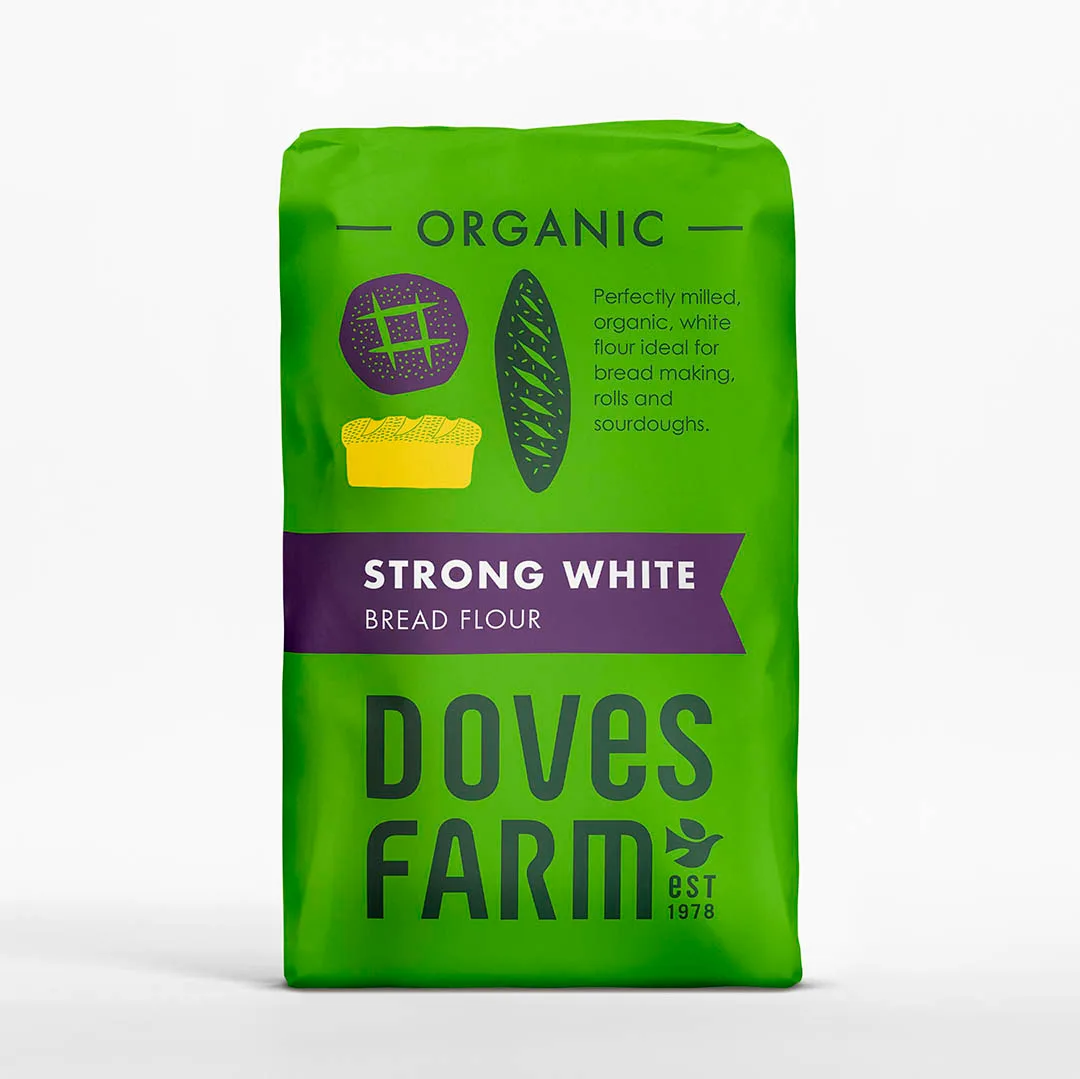
If you’re looking for a lighter option, you can mix malthouse flour with a high-protein strong white flour, such as Strong White Bread Flour 25kg | Organic Flour, to balance the texture. This is a great way to introduce malthouse to family members who prefer a milder taste.
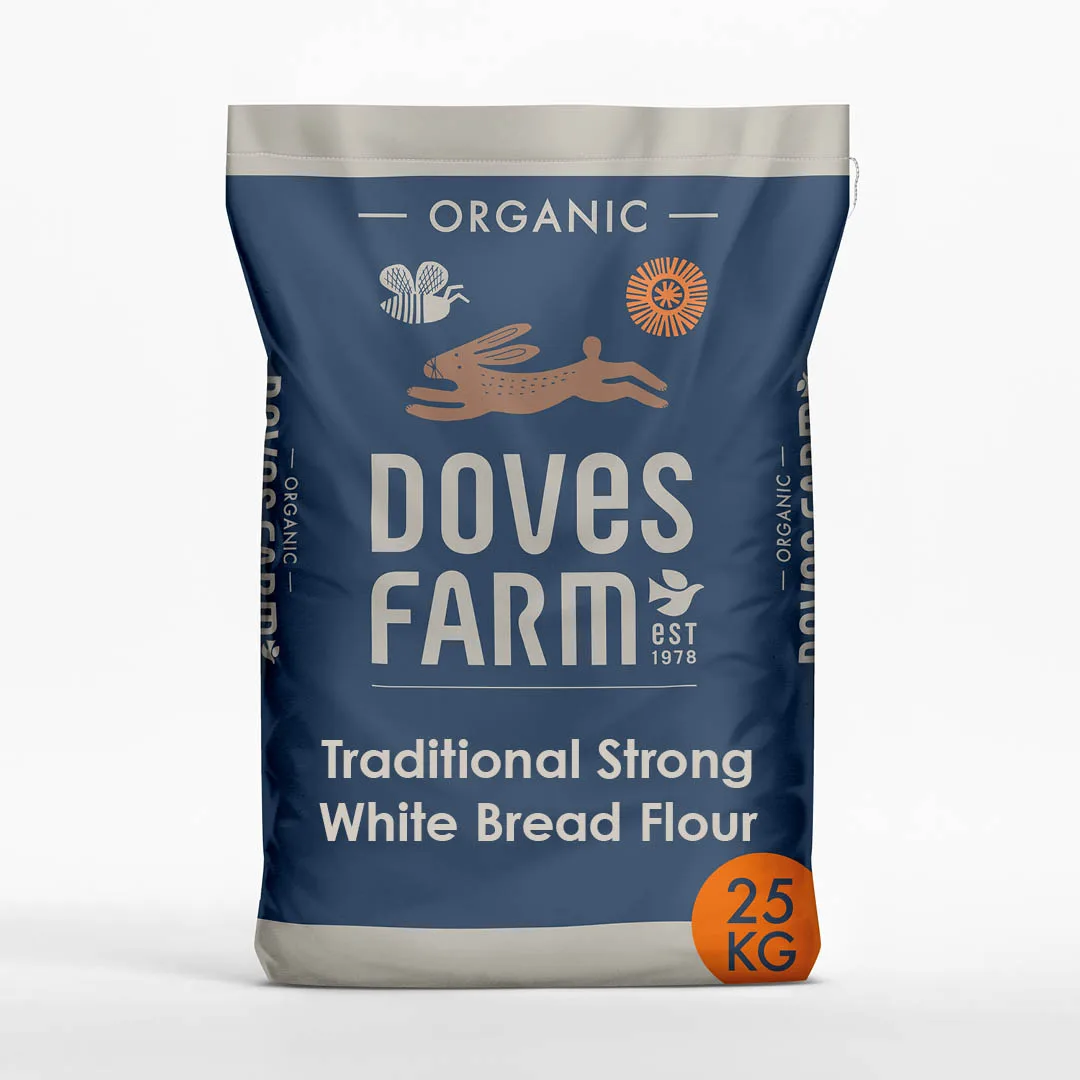
Strong White Bread Flour 25kg | Organic Flour
- Try adding 10-20% of organic stoneground barley flour to enhance the malty flavor further.
- For a gluten-free version, you can’t use malthouse flour, but you can experiment with other organic gluten-free flours like Organic Oat Flour 450g.
- Always store malthouse flour in a cool, dry place to preserve its freshness.
Baking with organic malthouse bread flour is a rewarding experience that yields a loaf with a distinctive malty taste and a beautiful, open crumb. By adjusting hydration, allowing for a slow fermentation, and using the right baking techniques, you can create bread that will impress your family and friends. Ready to start? Try a batch with Doves Farm Organic Malthouse Bread Flour 25kg and enjoy the rich, toasty aroma filling your kitchen.