Why Balance Matters for a 30-Inch Dobsonian
A 30-inch telescope gathers 11,850 times more light than the human eye, but that aperture comes with mechanical demands. Proper balance on a Dobsonian mount prevents strain on the altitude bearings, reduces the risk of accidental movement, and makes observing safer—especially when the eyepiece is at a low height.
The Optiques Fullum Folded Newtonian 30" f/3.5 is designed with a folded optical path that keeps the eyepiece at only 58 inches when aimed at zenith. That low observing height is a major safety benefit, but it also changes how you approach balancing. You won't need a ladder, but you may need a small platform to stand on, and the balance point must be set correctly so the telescope stays put when you let go.
What the Specs Tell Us About Balance
-
Optiques Fullum Folded Newtonian 30" f/3.5: The Folded Newtonian 30" Telescope weighs only 225 lbs and features a diffraction-limited Techno-Fusion parabolic primary mirror. At 225 lbs, this telescope is light for its aperture, but still heavy enough that an unbalanced setup could be dangerous. The lightweight composite and aluminum structure helps, but you still need to find the correct balance point.
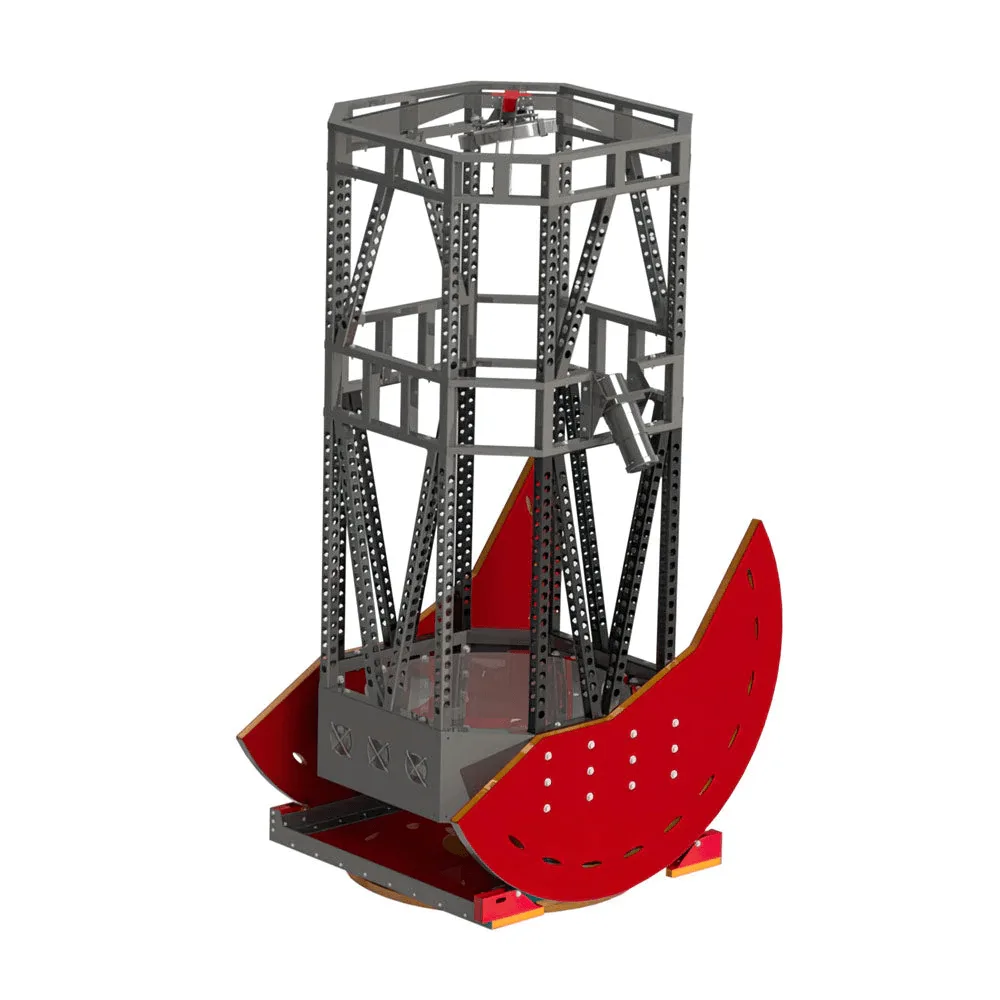
Optiques Fullum Folded Newtonian 30" f/3.5
-
Optiques Fullum Folded Newtonian 30" f/3.5: The eyepiece height is only 58 inches when aimed at the zenith, and most people of average height can observe without a ladder. A low eyepiece height means the telescope's center of gravity is closer to the ground. Balancing at this height requires the altitude bearings to be positioned correctly so the tube doesn't tip forward or backward when you change targets.
Steps to Balance Your Folded Newtonian Dobsonian
Because the Optiques Fullum is a custom-built telescope, the exact balance procedure will depend on your specific configuration. However, these general steps apply to any large Dobsonian with a folded optical path.
- 1. Set up on a level surface: Place the Dobsonian base on firm, level ground. Ensure the altitude bearings are free to rotate without obstruction.
- 2. Install the primary mirror and secondary assembly: The folded Newtonian design uses a secondary mirror that redirects the optical axis at a 17.5-degree angle. This changes the weight distribution compared to a standard Newtonian. Install all optical components before attempting to balance.
- 3. Attach your eyepiece and any accessories: Balance should be done with the equipment you plan to use. Add your heaviest eyepiece, a finder scope, or an imaging camera if applicable. The catalog notes that depending on your imaging requirements, you may need to add a field de-rotator.
- 4. Slide the tube in the cradle to find the balance point: Most Dobsonian mounts allow you to loosen the altitude bearings and slide the tube forward or backward. Move the tube until it stays level when you let go with no accessories attached, then repeat with accessories.
- 5. Lock the bearings and test at different altitudes: Once balanced at the horizon, tilt the telescope to 45 degrees and then to zenith (58 inches eyepiece height). It should stay put without drifting. If it doesn't, adjust the friction or reposition the tube slightly.
Custom Options That Affect Balance
The Optiques Fullum Folded Newtonian is built to order, so every aspect can be customized. If you want a custom eyepiece height, the team can discuss possibilities. That customization may also shift the balance point. When ordering, you can specify your typical accessory load so the telescope is balanced from the start.
The telescope comes with a precision GOTO tracking system for visual work and imaging. The motors and electronics add weight, so factor them into your balance calculations. The catalog does not specify exact motor weights or installation steps, so consult with Optiques Fullum for your specific configuration.
Safety Considerations During Balancing
A 30-inch telescope, even at 225 lbs, can cause injury if it tips. Always have a second person assist when moving the tube or adjusting the balance point. Use the low eyepiece height to your advantage—you can work from the ground without a ladder, but you may still need a small platform to reach the eyepiece comfortably at zenith.
The catalog notes that the price does not include crating and shipping, and that the telescope is heavy and requires careful handling. Treat the balance procedure as a two-person job, and never force the altitude bearings if they feel stuck.
What the Catalog Does Not Confirm
The supplied evidence does not include step-by-step instructions from the manufacturer for balancing. The procedure above is based on general Dobsonian balancing principles and the specific design features of the Optiques Fullum Folded Newtonian. For exact instructions, contact Optiques Fullum directly.
Additionally, the catalog does not specify the type or location of altitude bearings, the exact weight of the secondary mirror assembly, or whether counterweights are included. These details will be provided when you place your custom order.