Quick answer
Bathe your newborn in a warm room, then wrap them in a hooded baby towel to dry and keep them warm. Use a soft baby bathrobe for easy dressing and extended cozy time after the bath.
Why a hooded towel and robe make bath time easier
Newborns lose body heat quickly, especially when wet. A hooded baby towel covers the head and body at the same time, so your baby stays warm while you pat them dry. A baby bathrobe adds an extra layer that is easy to put on and take off, which is helpful when you are moving from bath to changing table.
Both items are made from soft, absorbent towelling that is gentle on delicate skin. They also reduce the number of towels you need and make the after-bath routine quicker and more comfortable for you and your baby.
Choosing between a towel and a robe
A hooded towel is ideal for the first few months because it wraps the whole body and is simple to use. A bathrobe is a good choice once your baby is a bit older and can sit or stand during dressing. It covers from shoulders to feet and has sleeves, which keeps arms warm while you apply lotion or put on a diaper.
For everyday use, many parents keep both: a hooded towel for the initial drying and a robe for lounging or moving between rooms.
Step-by-step newborn bath routine
- Prepare the room and supplies: Warm the bathroom or room to a comfortable temperature (around 24°C). Lay out a hooded baby towel, a clean diaper, clothes, and any lotion or cream you plan to use. Have a baby bathrobe ready for after drying. Check that everything is within arm's reach before you start, so you never leave your baby unattended.
- Fill the tub and test the water: Fill a baby tub or sink with about 5-8 cm of warm water (37-38°C). Test the temperature with your wrist or elbow—it should feel comfortably warm, not hot. Use a bath thermometer if you have one. Always check the water temperature again right before placing your baby in, as it can change quickly.
- Support your baby in the water: Lower your baby gently into the water, supporting the head and neck with one arm and the bottom with the other. Keep the baby's face above water and talk softly to reassure them. Use a washcloth to clean the face, then move to the body. Never leave your baby unattended in the bath, even for a few seconds.
- Lift your baby and wrap in the hooded towel: After a short bath (5-10 minutes), lift your baby out and immediately place them on the hooded towel. Pull the hood over their head and wrap the towel around their body. Pat dry gently—do not rub, as this can irritate sensitive skin. Wrapping the head first helps prevent heat loss, which is especially important for newborns.
- Dry the skin folds and apply moisturizer: Unwrap the towel and gently pat dry the skin folds, especially under the arms, behind the knees, and in the diaper area. Apply a mild baby lotion or cream to keep the skin hydrated, if your pediatrician recommends it. Moisture left in skin folds can cause irritation, so make sure those areas are completely dry.
- Dress your baby in the bathrobe or clothes: Put on a clean diaper and then either slip your baby into a baby bathrobe or dress them in regular clothes. The robe is great for keeping them warm while you do the final cuddles or feed. If your baby seems cold, add an extra layer or a light blanket, but avoid overheating.
Products that help with newborn bath time
-
Mollia Baby Bath Towel (75 x 75 cm) - Green: This Mollia baby bath towel is made from 100% cotton towelling with an absorbent surface and a soft texture that is gentle against the skin. The cotton material quickly absorbs water while feeling soft, so your newborn stays dry and comfortable after the bath.
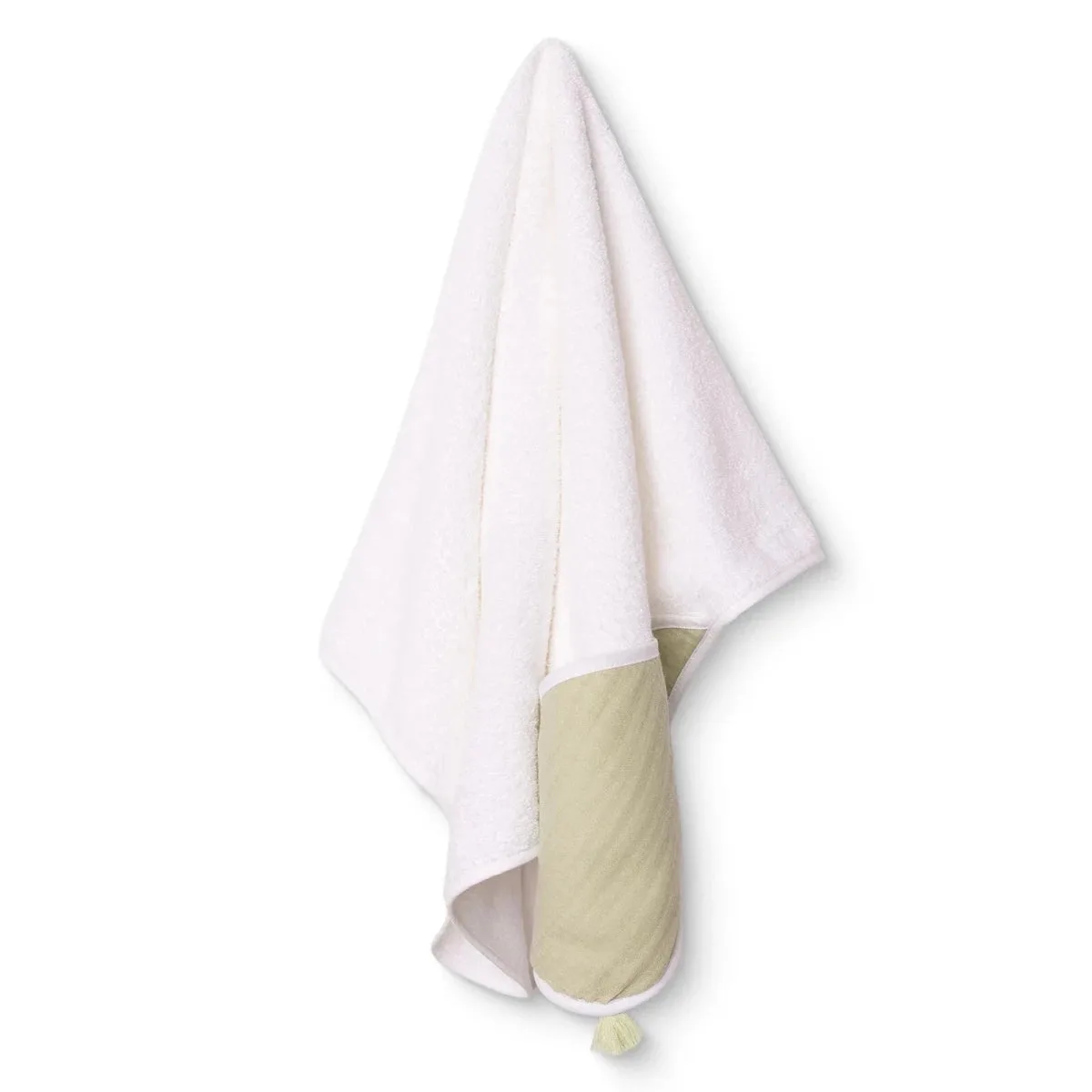
Mollia Baby Bath Towel (75 x 75 cm) - Green
-
Mollia Bunny Print Towelling Baby Bathrobe (2 Years to 5 Years): This Mollia towelling bathrobe covers from the shoulders to the feet and has sleeves, and it is machine washable at 30°C. The robe shape keeps your baby fully covered and warm, and the easy machine wash makes it practical for daily use.
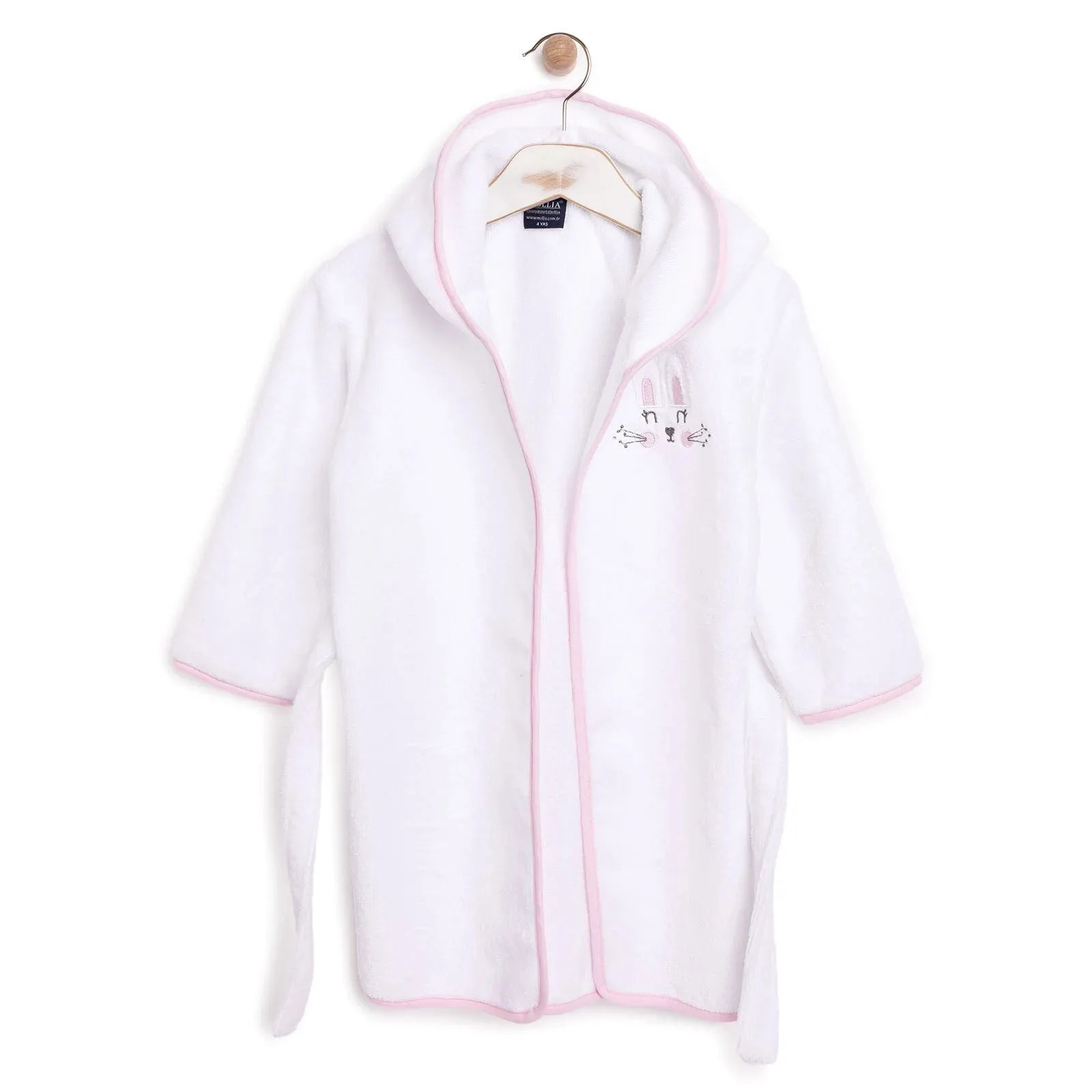
Mollia Bunny Print Towelling Baby Bathrobe (2 Years to 5 Years)