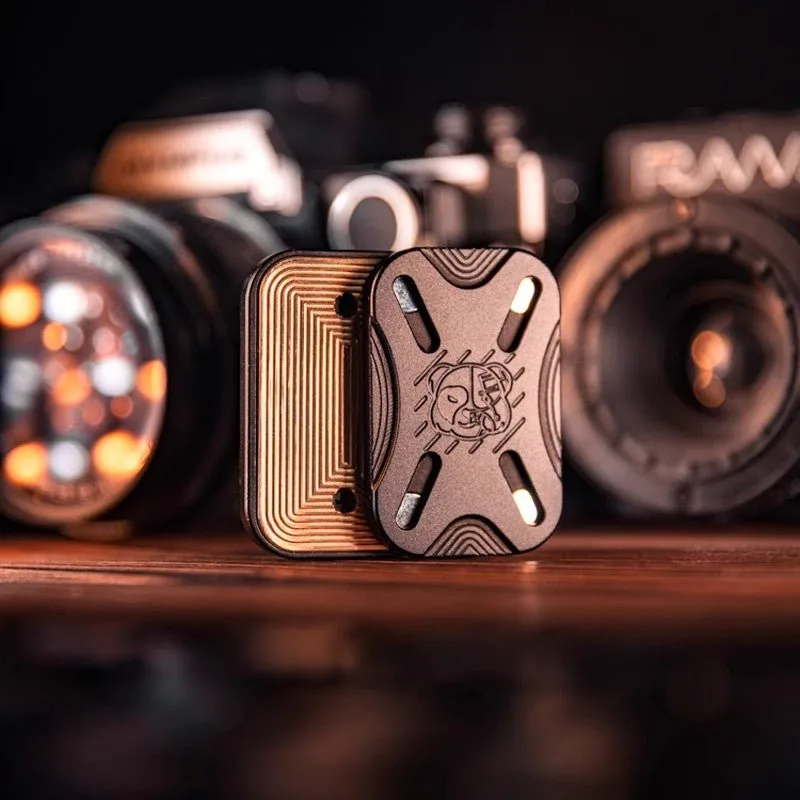
Why Break-In Matters for Your PdEDC X-Feel Slider
A new fidget slider often feels stiff or gritty straight out of the box. The PdEDC X-Feel is no exception. Made from aluminum and brass, its sliding surfaces need a short break-in period to reach the smooth, satisfying action you bought it for. This guide walks you through a simple process that respects the slider's materials and helps you get the best haptic feedback without risking damage.
The X-Feel measures 46 x 30 x 11 mm and weighs 53 grams. That compact, pocket-friendly size means you can work on break-in during daily carry without it feeling like a chore.
What You're Working With: PdEDC X-Feel Specs
-
PdEDC X-Feel Fidget Slider: Made from aluminum and brass The aluminum body keeps the slider light, while the brass components add weight and a distinct metallic feel during use. Break-in affects how these two materials interact.
-
PdEDC X-Feel Fidget Slider: 53g weight A 53-gram slider provides enough mass for satisfying haptic feedback without being too heavy for pocket carry. Break-in will slightly reduce friction, making the action feel more fluid.
-
PdEDC X-Feel Fidget Slider: 1.81" L x 1.18" W x 0.45" D (46 x 30 x 11 mm) The X-Feel's dimensions are ideal for one-handed manipulation. Break-in can be done naturally while fidgeting throughout the day.
A Simple Break-In Routine for the X-Feel
The goal of break-in is to wear down microscopic high spots on the sliding surfaces. This is best achieved through repeated, controlled movement, not by forcing or lubricating prematurely.
- Step 1: Dry run (no lubricant): Start by sliding the X-Feel back and forth in your hand 50–100 times. Use steady, even pressure. This dry phase lets the aluminum and brass surfaces mate naturally without any added substances that might trap grit.
- Step 2: Gradual pressure increase: After the first dry run, apply slightly more pressure during slides. Focus on the full range of motion. You should notice the action becoming less scratchy after 200–300 total cycles.
- Step 3: Clean and inspect: Wipe the slider with a soft, lint-free cloth to remove any fine metal dust created during break-in. Check for any visible wear or uneven spots. The X-Feel's aluminum and brass construction should show even, light wear if break-in is progressing well.
- Step 4: Optional light lubrication: If the action remains stiff after 500 cycles, consider a tiny drop of lightweight synthetic oil (like nano-oil) on the sliding rails. Apply sparingly and cycle the slider 20–30 times to distribute. Wipe away any excess.
What to Expect During Break-In
The PdEDC X-Feel's aluminum and brass components will gradually smooth out. Early on, you might feel a slight grind or catch. This is normal and temporary. After 300–500 cycles, the action should become noticeably more fluid. The haptic feedback—the vibration and sound you feel in your hand—will also change, becoming more consistent and satisfying.
If the slider still feels rough after 500 cycles, stop and inspect for burrs or debris. Do not force the slider or use excessive pressure, as this could damage the finish or alignment. The catalog does not specify a maximum break-in time, so patience is key.
Maintenance After Break-In
Once the X-Feel is broken in, keep the action smooth with occasional cleaning. Wipe the slider after heavy use to remove skin oils and dust. Avoid abrasive cleaners or solvents that could damage the anodized aluminum or brass. A dry cloth is usually enough. If you used lubricant, reapply sparingly every few weeks depending on use frequency.
The X-Feel's compact size (46 x 30 x 11 mm) makes it easy to carry and maintain. Store it in a clean pocket or pouch to prevent lint buildup on the sliding surfaces.