Quick answer
Break in new Allbirds gradually: start with short 20–30 minute wears indoors, then add time and distance over a week. If they feel tight, adjust the laces and wear thin socks before trying anything else. Most discomfort comes from friction, not from the shoes being too small, so preventing rubbing is the fastest route to comfort.
Why new Allbirds can feel tight or rub
Allbirds use soft, flexible materials like merino wool and eucalyptus tree fiber, but they still need a short adjustment period. The upper molds to your foot over the first few wears, and the sole softens slightly with use. Until that happens, seams and edges can press or rub in spots. That’s normal, and it doesn’t mean you bought the wrong size. The goal is to guide the shoe through that phase without creating blisters.
Check the fit before you break them in
Put the shoes on with the socks you plan to wear most often. Stand up and press your thumb against the front of the shoe—there should be about a thumb’s width (roughly half an inch) between your longest toe and the end. If your toes touch the front, size up. If your heel slips more than a little, try a different lacing pattern or a thicker sock. Allbirds are designed to fit snugly, but snug is not the same as painful.
Lacing adjustments that reduce pressure
Most “too tight” complaints come from laces pulled too evenly. Instead, lace loosely across the midfoot and snugly at the top. If you have a high instep, skip the middle eyelets entirely. For heel slip, use the runner’s loop (lace lock) at the top. These small changes change how the upper wraps your foot and often solve tightness without stretching the shoe.
Step-by-step break-in plan
- Start indoors with thin socks: Wear your new Allbirds around the house for 20–30 minutes with thin socks. This lets the upper start molding to your foot without the pressure of walking on rough pavement. Checkpoint: if you feel a hot spot, stop and adjust laces or socks before continuing.
- Add short outdoor walks: Over the next two or three days, take 15–20 minute walks outside. Keep the pace easy. This gradually flexes the sole and softens the heel area. Common mistake: wearing them for a full day right away. That’s the fastest way to get blisters.
- Increase distance gradually: Each day, add about 10 minutes of wear time. By day five, you should be able to wear them for a few hours without thinking about your feet. If rubbing continues after a week, try a different size or a style with a roomier fit.
- Use blister prevention tricks: For known rub spots, apply a thin layer of petroleum jelly or use a blister bandage before you put the shoes on. Moisture-wicking socks also help. Never ignore a hot spot—cover it immediately to prevent a blister.
- Try targeted stretching if still tight: If a specific area feels tight after a week, stuff the shoe tightly with rolled socks or newspaper overnight. For leather or tree fiber, you can also use a shoe stretcher. Avoid heat or water, which can damage the materials. Stretching is a last resort; most tightness resolves with lacing and wear time.
Allbirds styles built for easy break-in
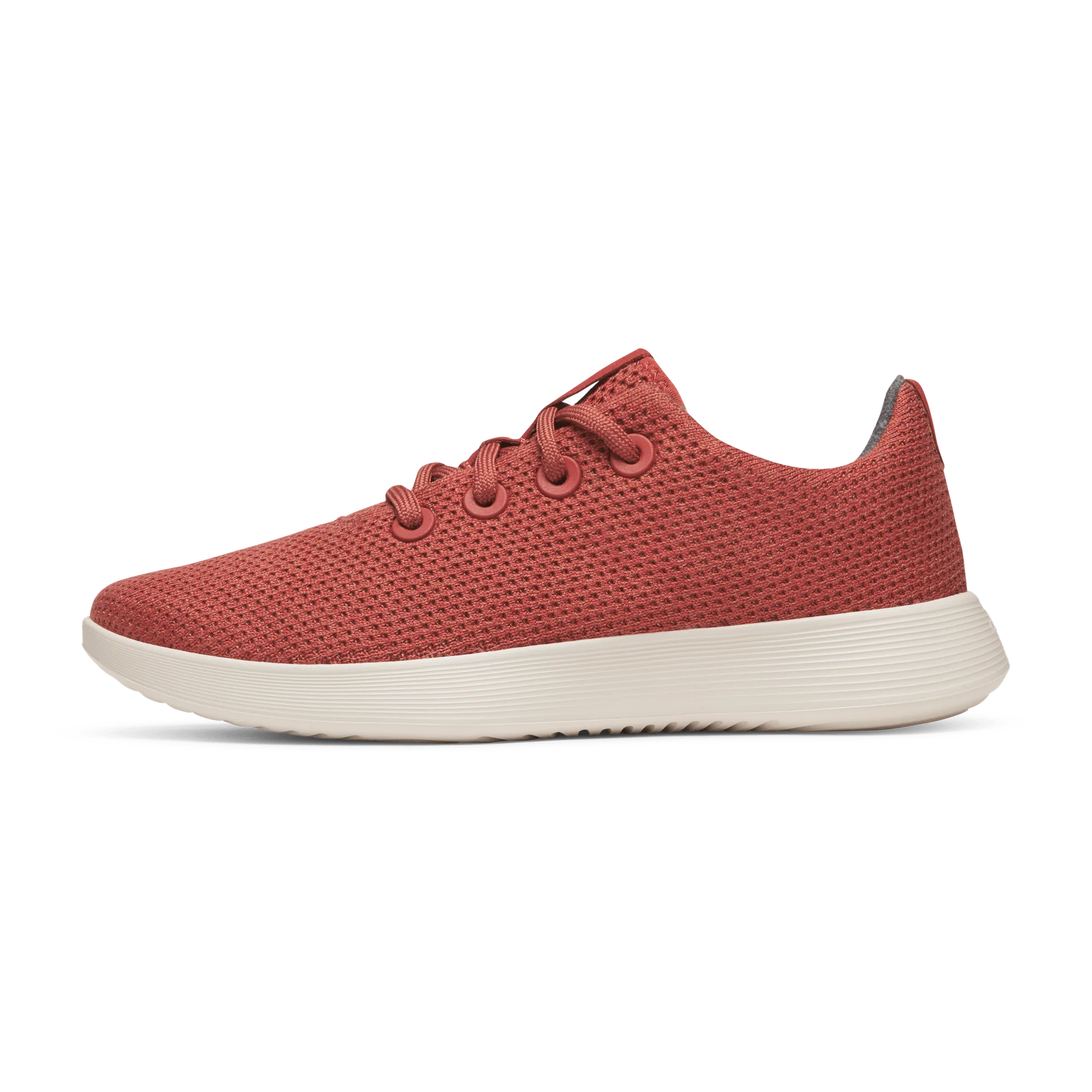
- Men's Tree Runner NZ - Spice (Warm White Sole): The latest iteration of our fan-fave Tree Runner, the Tree Runner NZ nods to our New Zealand roots, tying ten years of innovation together in a shoe as stylish as it is comfortable. Designed with all day wear in mind, it's the ultimate travel companion. The Tree Runner NZ is designed for all-day comfort, so it tends to need less break-in than stiffer shoes. That makes it a good choice if you want comfortable Allbirds from day one.
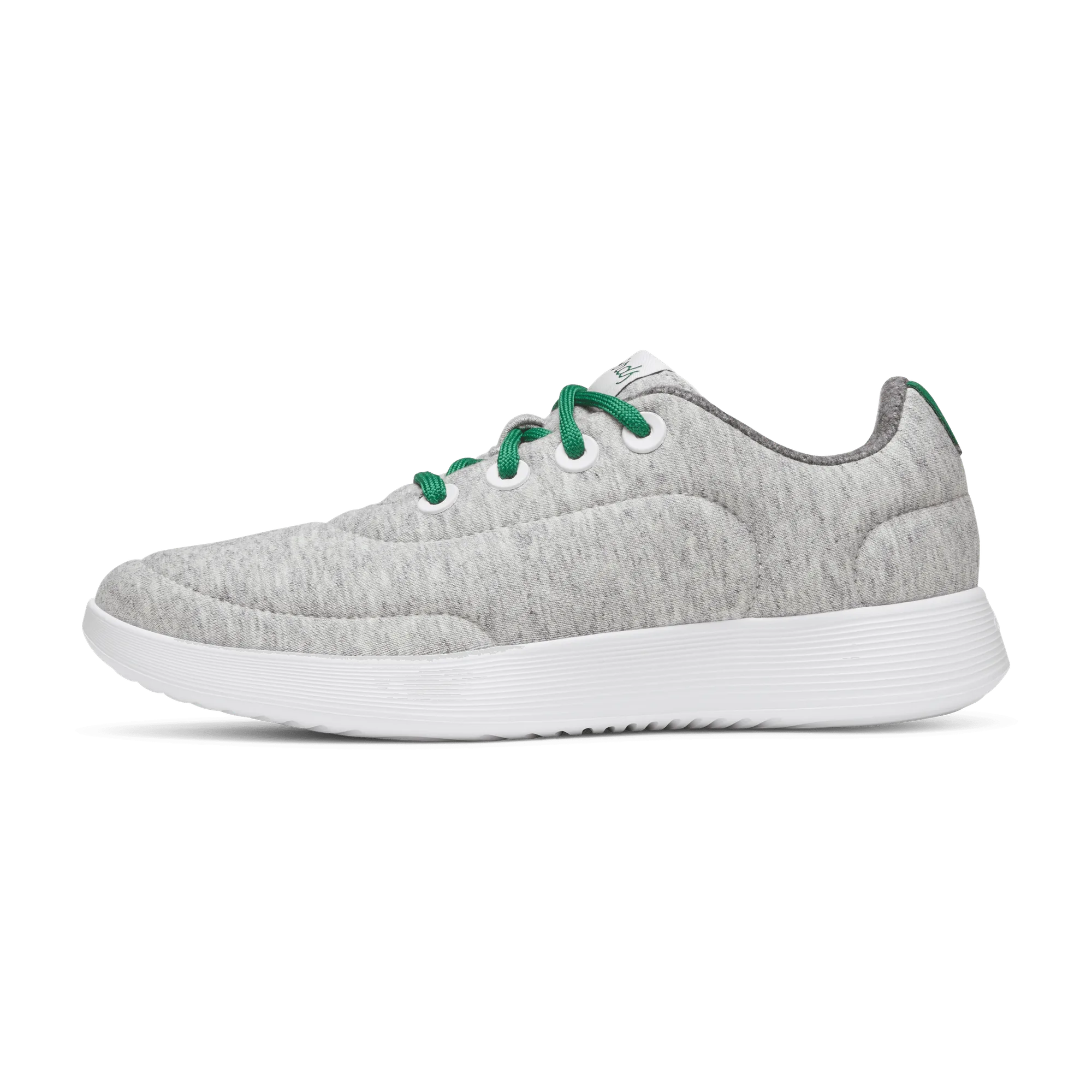
- Men's Runner NZ Jersey - Light Grey/Verdant Green (Blizzard Sole): The Men's Runner NZ Jersey from Allbirds is a limited-edition running shoe with a clean, understated look. This style pairs a Light Grey and Verdant Green upper with a Blizzard sole, offering a versatile neutral colorway with a subtle accent. Available in US sizes 8 through 12. As a running shoe, the Runner NZ Jersey may have a slightly more structured fit. If you plan to run in them, follow the same gradual break-in steps to prevent blisters on longer runs.