Quick answer
Break in a stiff belt gradually by wearing it for short periods, bending it gently by hand, and conditioning leather with a small amount of leather conditioner. Never soak a leather belt in water or force it into a tight loop, because that is what causes cracks and permanent creases. Canvas belts need less conditioning but benefit from a gentle hand-flex and spot cleaning.
A new belt that feels like a plank of wood is a common problem, especially with thick leather or tightly woven canvas. The good news is that most belts break in with patience, not force. The bad news is that the wrong shortcut, like soaking leather or cranking it tight on day one, can crack the finish or stretch the holes out of shape.
This guide walks through a safe break-in process for both leather and canvas belts, with checkpoints so you know when to stop. It also covers everyday belt care tips that keep the material supple and stop belt cracking before it starts.
Why new belts feel stiff (and what cracking actually is)
Leather belts are stiff because the fibers are tightly packed and the finish is still rigid. As you wear the belt, the leather flexes at the same spots over and over, and those fibers gradually loosen. Canvas belts feel stiff because the weave is dense and the sizing or coating hasn't been worked yet. Both materials need movement, not moisture, to soften.
Cracking happens when the surface layer of leather dries out and then gets forced to bend sharply. It often shows up near the buckle or at the fold where the belt loops through your pants. Once the top grain splits, it can't be repaired, only hidden. That's why the goal is gradual flexing and light conditioning, not a quick soak.
- Check the belt's material tag first. Bonded leather and some coated canvases behave differently from full-grain leather or cotton canvas.
Step 1: Inspect the belt and test its flexibility
Before you do anything, bend the belt gently in your hands. A new leather belt should flex a little at the middle and near the holes. If it feels brittle or you hear a faint crackle, stop and condition it before wearing. Canvas belts should fold without a sharp crease. This test tells you how much break-in the belt actually needs.
Check the buckle and stitching too. Loose stitches or a wobbly buckle can get worse if you flex the belt aggressively. If the belt has a custom buckle, like the Stone-shaped buckle on the Women's Stoned Forever, work the leather around the buckle gently rather than pulling hard on the hardware.
- Mistake to avoid: bending a dry leather belt back and forth quickly to 'loosen it up.' That is the fastest way to start a crack.
Step 2: Wear it in short sessions, not all day
The safest way to break in a leather belt is to wear it for one to two hours at a time, then take it off. Wear it through your normal pants loops and sit, stand, and walk so the belt flexes naturally. Do this for a few days. The leather will start to conform to your waist without the stress of a full day's wear.
Canvas belts can usually handle longer wear right away, but if the weave is stiff, the same short-session approach works. The key is consistency. Ten short wears over a week will soften a belt more safely than one long, tight day.
- Checkpoint: after each session, bend the belt gently. If it flexes more easily than before, you're on track.
Step 3: Condition leather sparingly (and skip it on canvas)
Leather conditioner replaces some of the oils that keep the material supple. Use a pea-sized amount on a soft cloth and work it into the dry areas, especially near the buckle and holes. Let it absorb for 20 minutes, then buff off any excess. Over-conditioning can make leather greasy and weak, so once every few months is plenty for a belt in normal use.
Canvas belts do not need conditioner. In fact, oils and waxes can stain the weave or attract dirt. For canvas belt care, a damp cloth and mild soap for spot cleaning is enough. If the canvas is coated, wipe it down rather than scrubbing.
- Mistake to avoid: using olive oil, coconut oil, or saddle soap on a finished leather belt. These can darken, clog, or dry out the finish unevenly.
Step 4: Store belts rolled, not folded
How you store a belt matters as much as how you wear it. Hanging a belt by the buckle is fine for a day, but long-term hanging can stretch the leather and misshape the holes. Folding a belt sharply at the same spot creates a permanent crease that can turn into a crack. Instead, roll the belt loosely and store it in a drawer or on a shelf.
If you have several belts, keep them separate so buckles don't scratch the leather. A cloth bag or a dedicated drawer works well. This simple habit is one of the most overlooked leather belt maintenance steps.
- Checkpoint: a well-stored belt should have no sharp folds when you pick it up.
Step 5: Know when to stop and when to replace
A broken-in belt should feel flexible but still hold its shape. If the leather feels floppy or the holes are stretched, you've gone too far. If you see deep cracks, flaking, or the top layer separating from the backing, the belt is done. No amount of conditioning will fix structural damage.
For canvas belts, fraying at the holes or a stretched-out weave means it's time to replace. The good news is that a well-cared-for belt can last years, and rotating two belts gives each one time to rest and dry out.
- Mistake to avoid: continuing to wear a cracked belt. The crack will spread and can snag on clothing.
Your belt break-in checklist
- Day 1: Inspect and flex: Bend the belt gently by hand. If it crackles, condition leather before wearing. Canvas should fold without a sharp crease. If it feels brittle, do not wear it yet.
- Days 2-5: Short wears: Wear the belt for 1-2 hours at a time through your pants loops. Sit, stand, and walk to create natural flex points. Stop if you feel pinching or see the leather start to crease sharply.
- Week 2: Condition leather only: Apply a small amount of leather conditioner to dry areas. Buff off excess. Skip this step for canvas belts. Less is more. Once every few months is enough.
- Ongoing: Store rolled: Roll belts loosely and store them in a drawer. Avoid hanging by the buckle or folding at the same spot. Rotate two belts to give each one rest.
- Replace when cracked: Deep cracks, flaking, or stretched holes mean the belt is past saving. Replace it rather than risking a tear. A cracked belt will only get worse.
Belts and gear that fit this routine
- Women's Stoned Forever: The Stoned Forever Belt puts an iconic twist on a timeless accessory. Featuring a custom Stone-shaped buckle, it delivers a clean, modern look with unmistakable Volcom DNA. The slim silhouette pairs effortlessly with everything from denim to dresses. A slim belt with a distinctive buckle is a good candidate for the short-wear break-in method, because the leather is narrow and flexes easily without stressing the hardware.
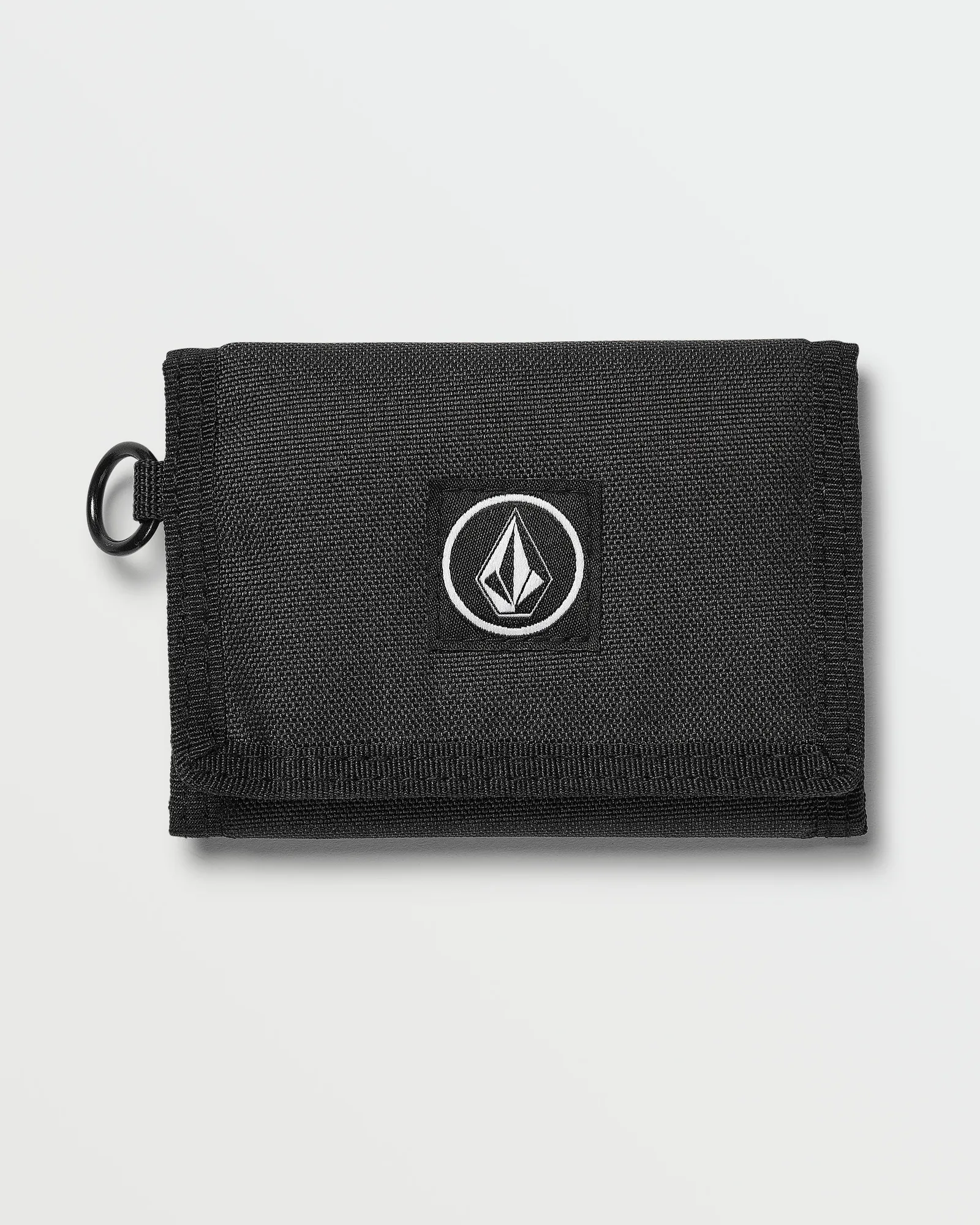
- Men's Box Stone Wallet: The Box Stone Wallet packs internal card slots, a paper currency compartment, and a zip coin pocket into a compact 5 x 3.75 inch profile. Built from 100% cotton canvas with a woven label hit. Canvas accessories like this wallet benefit from the same gentle approach as canvas belts: spot clean, avoid soaking, and store them flat or loosely rolled to prevent creases.
Breaking in a belt is mostly about patience and a little prevention. Wear it in short sessions, condition leather sparingly, keep canvas dry, and store belts rolled instead of folded. Do that, and your belt will soften into a comfortable fit without cracking, stretching, or losing its shape.