Quick answer
Break in new leather shoes by wearing them for short indoor sessions, using a shoe stretcher or thick socks to target tight spots, and keeping the leather conditioned. Increase wear time gradually over a week, and stop at the first sign of rubbing to avoid blisters.
Why leather needs a gradual break-in
Leather is a natural material that softens and molds to your foot over time. New shoes often feel stiff because the leather hasn't flexed yet. Forcing them through a full day immediately can cause blisters and uneven stretching. A gradual routine lets the leather adapt without damage.
Prevent blisters before they start
Blisters come from friction and moisture. Wear moisture-wicking socks, apply a blister patch or petroleum jelly on known hot spots, and keep feet dry. If you feel a hot spot, stop and adjust before it becomes a blister. Prevention is easier than treatment.
How to stretch tight leather shoes comfortably
For tight spots, use a shoe stretcher or stuff shoes with damp newspaper and let them dry at room temperature. Never use direct heat, which can crack leather. For a targeted stretch, wear thick socks and walk around the house for 20 minutes. Repeat daily until comfortable.
Condition and protect during break-in
Apply a leather conditioner before first wear to keep the material supple. Reapply weekly during the break-in period. Conditioning prevents cracks and helps the leather conform without drying out. Avoid silicone-based products that can clog pores.
When to size up instead of stretching
If your toes are cramped or the shoe feels too short, stretching won't fix the length. A shoe that's too small can damage your feet. If the shoe is only slightly tight in width or instep, stretching can help. Otherwise, consider a different size.
Your 7-day break-in routine
- Day 1: Wear indoors for 15 minutes: Put on thin socks and walk around your home. This starts the flex without stress. Stop if you feel any pinching.
- Day 2: Wear indoors for 30 minutes: Increase time slightly. If a spot rubs, apply a blister patch before wearing. Check for redness after removing.
- Day 3: Wear outdoors for 1 hour: Take a short walk on flat ground. Bring backup shoes in case of discomfort. Avoid hills or long distances today.
- Day 4: Condition and stretch: Apply leather conditioner, then use a stretcher or stuff with damp newspaper overnight. Let shoes dry away from heat.
- Day 5: Wear outdoors for 2 hours: If comfortable, extend wear time. If not, repeat Day 4 stretching. Listen to your feet.
- Day 6: Wear for half a day: Go about your normal routine but stay near home if possible. Check for any new hot spots.
- Day 7: Full day wear: If no blisters or pain, your shoes are broken in. Continue conditioning monthly. If still tight, repeat the routine for another week.
Macarena shoes to consider for a gentle break-in
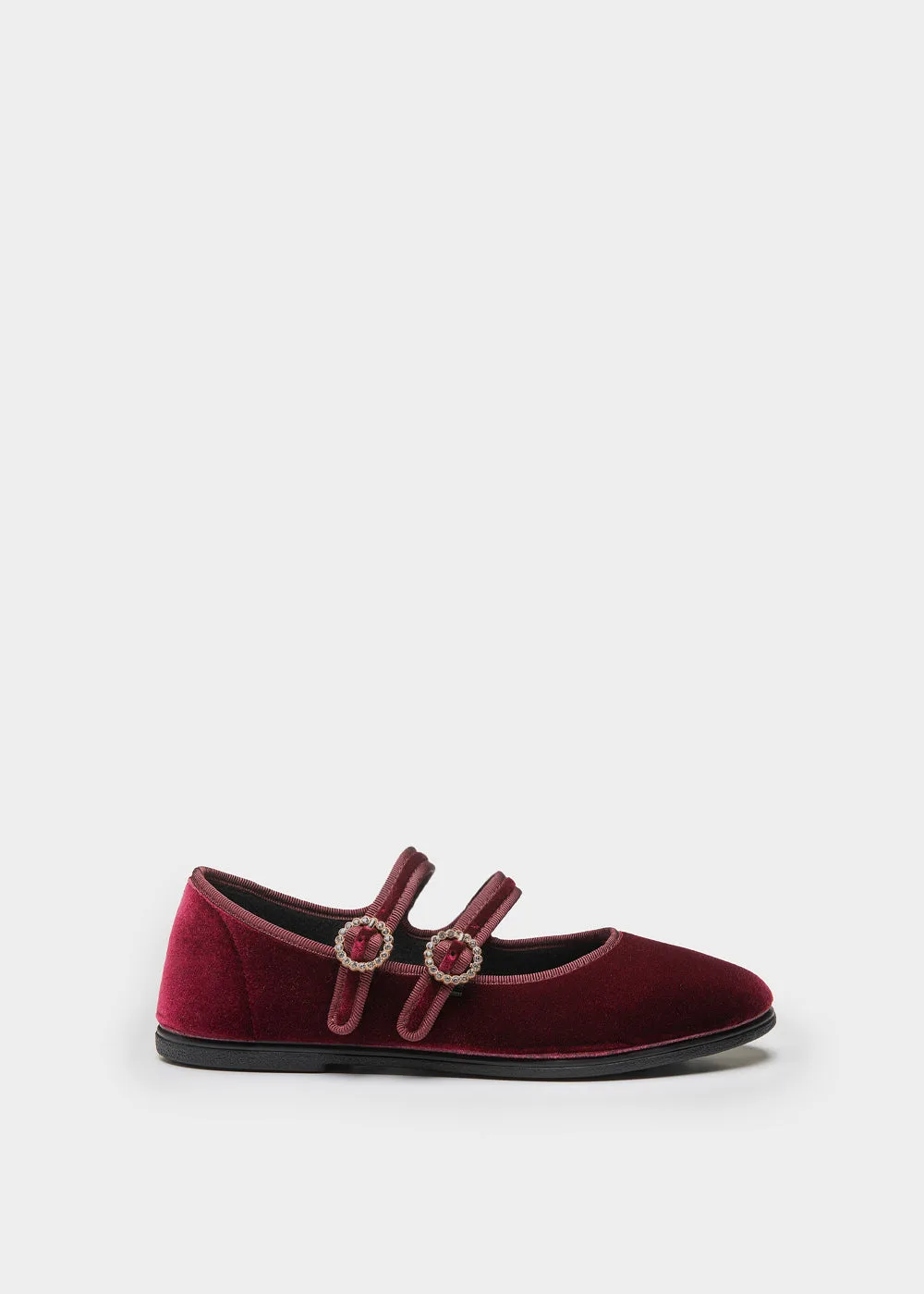
- Marieta Burdeos: Marieta Burdeos is a velvet Mary Jane with a double strap and adjustable closure, plus a flexible rubber sole. The adjustable strap lets you loosen the fit as needed, and the flexible sole reduces stiffness, making break-in easier.
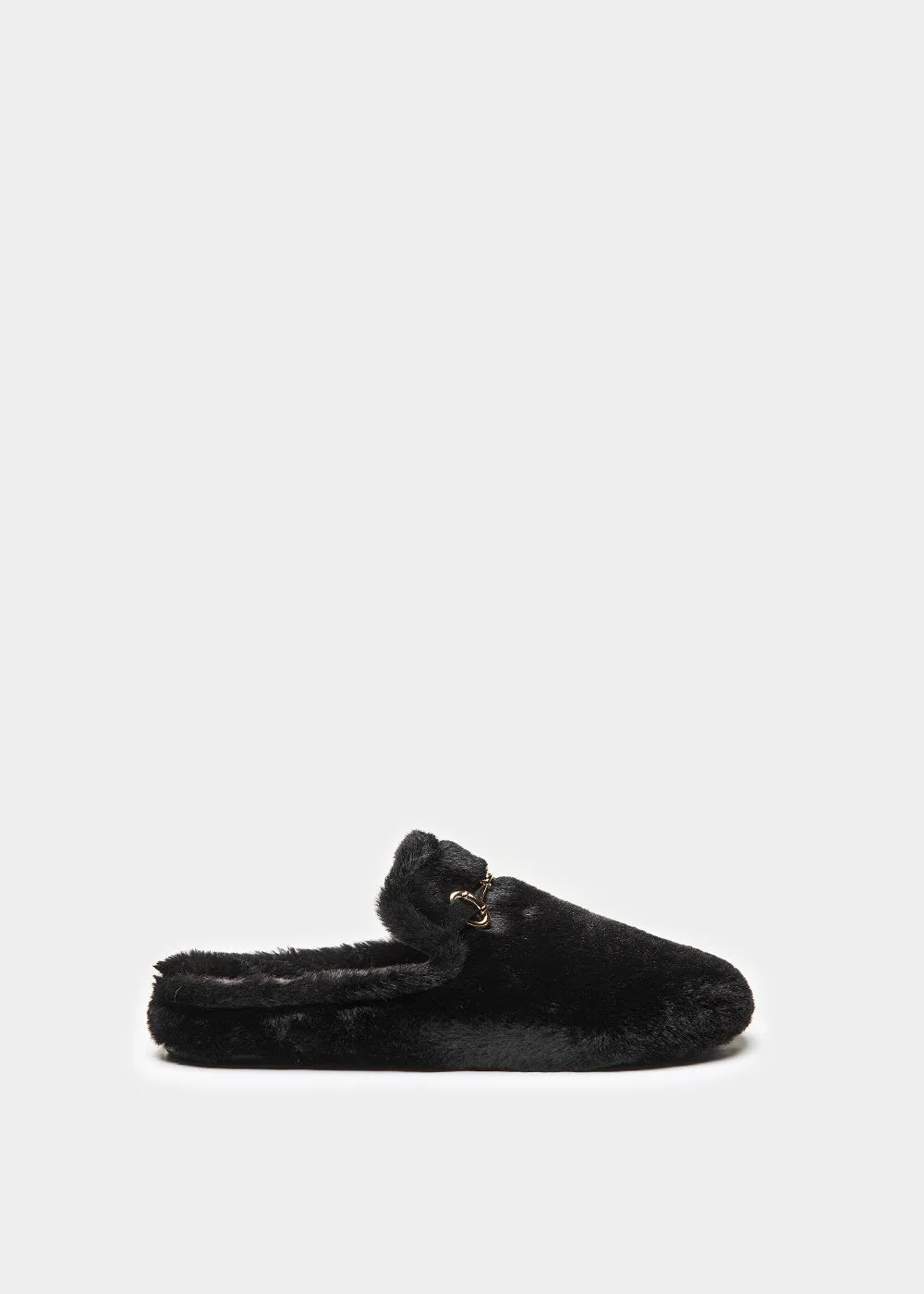
- Cintia Negro: Cintia Negro is a Spanish-made house slipper with soft synthetic plush lining, an open, lightweight structure, and a 1 cm sole. Its plush lining and open design minimize friction, so you can wear them indoors while breaking in other shoes or as a comfortable alternative.