Quick Answer
To brew archived coffee, use a slightly finer grind than usual and a slightly higher water temperature to compensate for flavor loss over time. Start with a 1:16 coffee-to-water ratio, and adjust based on taste. For a clean cup, use a paper filter and follow the steps below.
Archived coffee—beans from a past harvest—often gets overlooked, but it can offer a unique and enjoyable brewing experience. At Friedhats, we archive select lots because they still have something to say, even months after their peak. With the right approach, you can coax out the remaining sweetness and complexity.
This guide walks you through brewing archived coffee using a filter method. Whether you're working with a washed Rwanda or a funky anaerobic natural, these steps will help you get the most from slightly aged beans. We'll cover grind size, water temperature, and brewing time, plus a few tricks to revive flavors that may have faded.
Understanding Archived Coffee
Archived coffee refers to beans from a previous harvest that are stored and sold later. Over time, coffees lose some of their volatile aromatic compounds, leading to a quieter aroma and potentially a flatter cup. However, many beans—especially those with bold processing or dense origins—can still shine with the right brewing parameters.
When brewing archived coffee, your goal is to extract the remaining soluble flavors without over-extracting bitterness. Because the beans are older, they may be more porous and extract faster, so you might need to adjust your grind slightly coarser or finer depending on the roast and storage conditions.
- Check the roast date: if it's very old, expect muted acidity but possible developed sweetness.
- Store archived beans in an airtight container away from light and heat to preserve what's left.
Choosing Your Brewing Method
Filter brewing methods like the V60, Chemex, or Aeropress are ideal for archived coffee because they produce a clean cup that highlights clarity. Paper filters absorb some oils and sediment, which can help mask any staleness and result in a more refined flavor.
If you prefer a fuller body, you could try a French press, but be aware that older beans might taste muddier with this method. For this guide, we'll focus on a pour-over using a V60 or similar cone brewer.
- Use a gooseneck kettle for controlled pouring.
- Pre-wet your paper filter to remove paper taste and preheat your brewer.
Step-by-Step Brewing Recipe
Start with fresh, filtered water heated to about 96°C (205°F). If your archived coffee is particularly old, you might try slightly hotter water (up to 98°C) to boost extraction. Grind your beans to a medium-fine consistency, similar to table salt. Use a 1:16 ratio—for every gram of coffee, add 16 grams of water.
Place the filter in your dripper, rinse it with hot water, and discard the rinse. Add the ground coffee and gently tap to level the bed. Start your timer and pour twice the weight of coffee in water (e.g., 30g water for 15g coffee) to bloom. Wait 30-45 seconds, then continue pouring in slow, circular motions until you reach your target weight. Aim for a total brew time of 2:30 to 3:00 minutes.
- If the brew finishes too quickly, grind finer; if it stalls, grind coarser.
- Taste the coffee after brewing; if it tastes bitter, next time lower the water temperature or shorten the brew.
Brewing Steps at a Glance
- Heat water: Bring water to 96°C (205°F) or slightly hotter for older beans. Checkpoint: Use a thermometer to ensure accuracy.
- Grind coffee: Grind 15g of archived coffee to a medium-fine consistency. Mistake to avoid: Too fine a grind can cause over-extraction and bitterness.
- Rinse filter: Place paper filter in dripper and rinse with hot water, then discard. This removes paper taste and preheats your brewer.
- Bloom: Add coffee, pour 30g water, and wait 30-45 seconds. If the bloom is flat, your beans may be very old; consider a longer bloom.
- Pour remaining water: Slowly pour in circles until you reach 240g total water. Aim for a total brew time of 2:30-3:00 minutes.
- Taste and adjust: Let the brew finish, then taste. Adjust grind or temperature for next time. If it tastes weak, grind finer or use hotter water; if bitter, grind coarser or lower temperature.
Friedhats Archived Coffees to Try
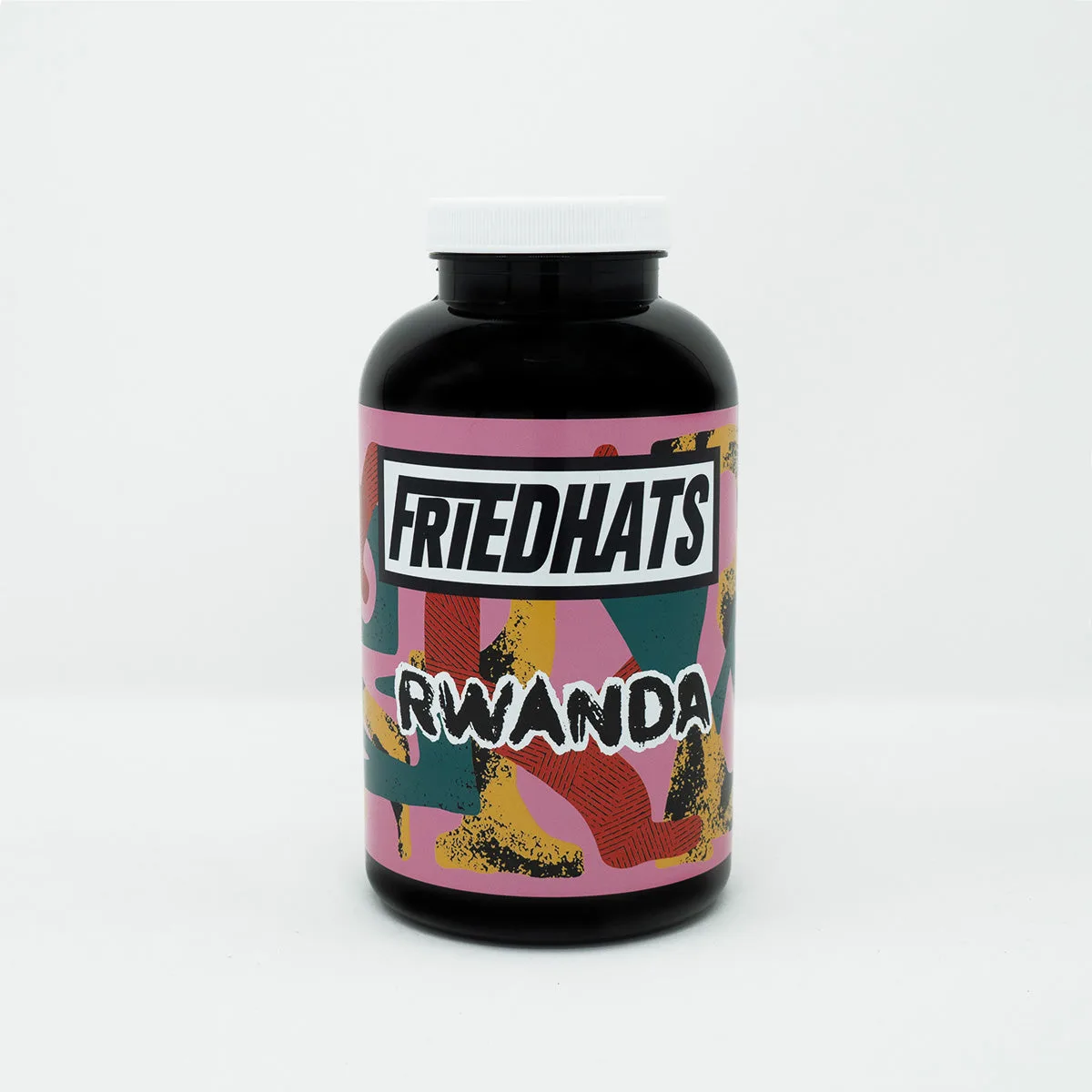
- Rwanda Mahembe #5 Filter: This lot was harvested in May this year and is a fully washed process made up of the red bourbon variety and is a combination of cherry picked by Justin on his own farm of 8 hectares and local smallholders surrounding him. A fully washed red bourbon from Rwanda is a great candidate for archived brewing because its clean, fruity profile tends to hold up well over time, offering sweet tea-like notes even months later.
- Indonesia Frinsa Rujak Bebeg Anaerobic: This harvest the conversation was about making an even funkier lot and they took that seriously. They came back with this coffee a 14 day anaerobic natural. Anaerobic naturals are often bold and complex, making them forgiving when archived. The intense fermentation flavors can remain vibrant, so you can brew them with confidence using this recipe.
Brewing archived coffee is all about adapting to the beans' age and getting creative with your parameters. With these steps, you can turn a slightly aged bag into a delightful cup that still reflects its origin. Remember to taste as you go and adjust based on your preferences. For more archived options, explore Friedhats' selection and experiment with different origins and processes.