Why sifting matters more than the whisk
A traditional bamboo whisk (chasen) is designed to break up clumps and build foam, but it is not the only way to get a smooth bowl. The real culprit behind gritty matcha is clumping, and sifting solves that before any liquid touches the powder. The supplied instructions for Japanese Ceremonial Matcha Green Tea say to sift 1–2 tsp matcha into a cup using a small sifter, swirling the powder around the strainer with your ladle. That step alone gets you most of the way to a clean, smooth cup.
Once the powder is sifted, you need motion and the right water temperature. The package directions call for 1 tsp per cup, water at 80–85°C, and whisking vigorously until frothy. Without a whisk, you can still create froth with a jar, a fork, or a small electric frother—each has tradeoffs in texture and effort.
A no-whisk method that works with everyday tools
This method follows the supplied preparation guidance while replacing the whisk with a jar and a fork. It makes one cup.
- Sift the matcha: Sift 1–2 tsp of matcha into a cup or small bowl using a fine-mesh strainer. Swirl the powder around the strainer with a small ladle or spoon to push it through. This prevents clumps and is the most important step for a smooth texture.
- Add a small amount of hot water: The full record mentions adding 2 oz hot water. Use water just under a boil—the brewing instructions specify 80–85°C. Pour a small splash over the sifted matcha first.
- Whisk or shake vigorously: If using a jar: pour the matcha and water into a jar, seal, and shake hard for about 10–15 seconds until the tea is bright green and frothy. If using a fork: whisk in a gentle circular motion for thin tea, or a brisk 'M' or 'W' motion for foamy tea, for about 10–15 seconds.
- Top up and serve: Add the rest of your hot water (the record mentions 475 ml/16 oz water for hot matcha, but that appears to be a larger serving; adjust to your cup size). Sip hot, or top with ice for iced matcha.
Frothing alternatives: jar, fork, or electric frother
Each tool gives a different foam texture. None is exactly like a bamboo whisk, but all can produce a drinkable bowl.
- Jar with a tight lid: Best for foam volume and speed. Shake hard for 10–15 seconds. The result is often a thicker, more uniform foam than a fork, but you lose the ritual of whisking in a bowl.
- Fork or small whisk: Works in any cup or bowl. Use a brisk side-to-side motion. Foam is less stable and may take a few extra seconds, but it is the most accessible option.
- Electric milk frother: Fast and consistent, but can introduce larger bubbles. Pulse in short bursts to avoid over-aerating. This is a good choice for iced matcha where you want quick dispersion.
What the package tells you about water and serving
-
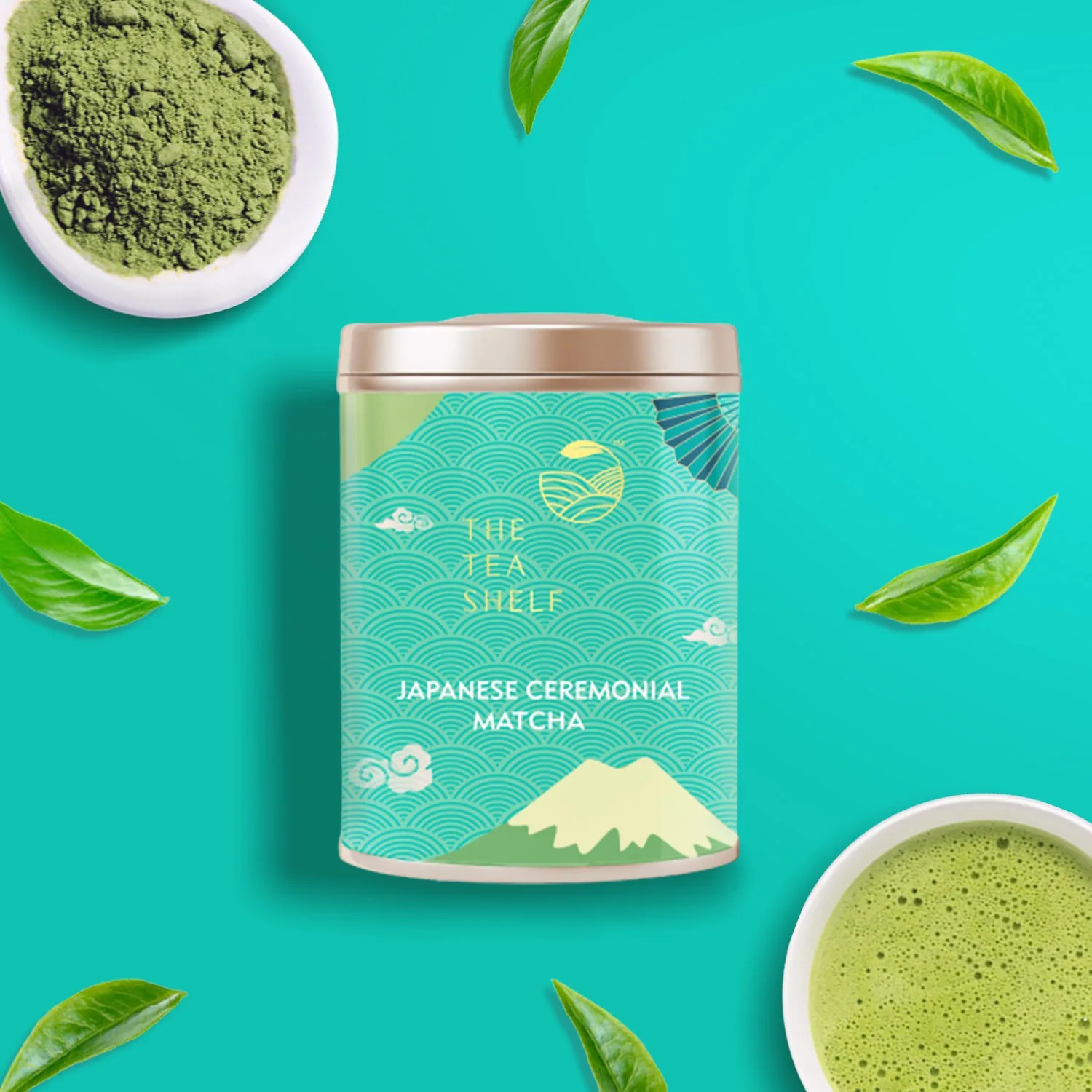
Japanese Ceremonial Matcha Green Tea: Brewing instructions: 1 TSP/CUP | 1 MIN | 80-85°C | Whisk vigorously until frothy. This gives you the baseline ratio and temperature. Even without a whisk, stick to 80–85°C water and 1 tsp per cup to avoid bitterness.
Japanese Ceremonial Matcha Green Tea
-
Japanese Ceremonial Matcha Green Tea: Sift 1-2 tsp matcha into a cup using a small sifter. Sift your matcha powder into your tea bowl, swirling the powder around the strainer with your ladle. Sifting is the key step for smoothness when you are not using a whisk to break up clumps.
-
Japanese Ceremonial Matcha Green Tea: Whisk in a gentle circular motion for thin, smooth tea, and in a brisk "M" or "W"-shaped motion for foamy tea. Whisk for about 10–15 seconds until the tea is bright green. These motions translate directly to fork or jar shaking: gentle for thin tea, brisk for foam. The 10–15 second window is your checkpoint.
Water temperature and ratio: the two variables you control
The supplied instructions specify 80–85°C water and 1 tsp per cup. Water that is too hot can make matcha taste harsh, while water that is too cool may leave it gritty and under-dissolved. If you do not have a thermometer, let boiled water rest for a minute or two before pouring—but note that the package does not give a resting time, so use your judgment.
The full record also mentions 475 ml (16 oz) of 75°C/170°F water for hot matcha or 295 ml (10 oz) for iced. That is a larger volume than a typical 1 tsp per cup ratio, so treat it as a guide for a larger serving rather than a single cup. For a standard cup, start with 1 tsp and about 2 oz hot water for the initial mix, then top up to your taste.
Common problems and fixes
- Clumps at the bottom: You likely skipped sifting or added all the water at once. Sift first, then add a small amount of water and mix into a paste before adding more.
- No foam: Your motion was too gentle or too short. Use a brisk 'M' or 'W' motion with a fork, or shake harder in a jar for at least 10–15 seconds.
- Bitter taste: Water may be too hot. Let it cool to 80–85°C. Also check your ratio—too much powder for the water can taste strong.
- Gritty texture: Sift more thoroughly and whisk or shake longer. Ceremonial matcha is finely milled, but it still needs mechanical action to disperse.
Choosing a size for your no-whisk routine
- Japanese Ceremonial Matcha Green Tea: Available sizes: 10gm Powdered Tea Sampler (07 Servings) and 30gm Powdered Tea (20 Servings). If you are new to ceremonial matcha or trying a no-whisk method, the 10gm sampler lets you practice without committing to a larger tin. The 30gm size suits a daily ritual once you have your technique down.
- Japanese Ceremonial Matcha Green Tea: Tasting notes: Clean & smooth, Vegetale Notes, Ideal for Beginners. A smooth, vegetal profile is forgiving of minor technique differences, making it a reasonable choice for your first whisk-free attempts.
Making it an everyday ritual without the traditional tools
The appeal of ceremonial matcha is often the ritual itself—sifting, whisking, watching the foam form. Without a whisk, you can still keep a rhythm: sift the powder, heat the water to 80–85°C, shake or fork-whisk for 10–15 seconds, and sip. The supplied instructions also note you can enjoy it straight from the bowl or top with ice for iced matcha.
One honest tradeoff: a jar or fork will not produce the same fine, persistent foam as a bamboo whisk. If foam is essential to you, an electric frother gets closer, but it can create larger bubbles. For many drinkers, a smooth, clump-free cup matters more than perfect foam—and sifting plus vigorous motion gets you there.