Quick Answer
To brew flowering tea, use a clear glass teapot so you can watch the bloom. Heat water to about 175°F (80°C), pour it over the tea ball, and steep for 3-5 minutes. Use one flowering tea bulb per cup and enjoy multiple infusions.
Flowering tea, also known as blooming tea, is a hand-tied bundle of tea leaves and flowers that unfurls into a beautiful display as it steeps. It's a feast for the eyes and the palate, making it a favorite for tea ceremonies and special occasions.
Brewing flowering tea is simple, but getting the details right ensures a perfect bloom and a delicious cup. From choosing the right teapot to controlling water temperature, this guide covers everything you need to know.
Choosing the Right Teapot
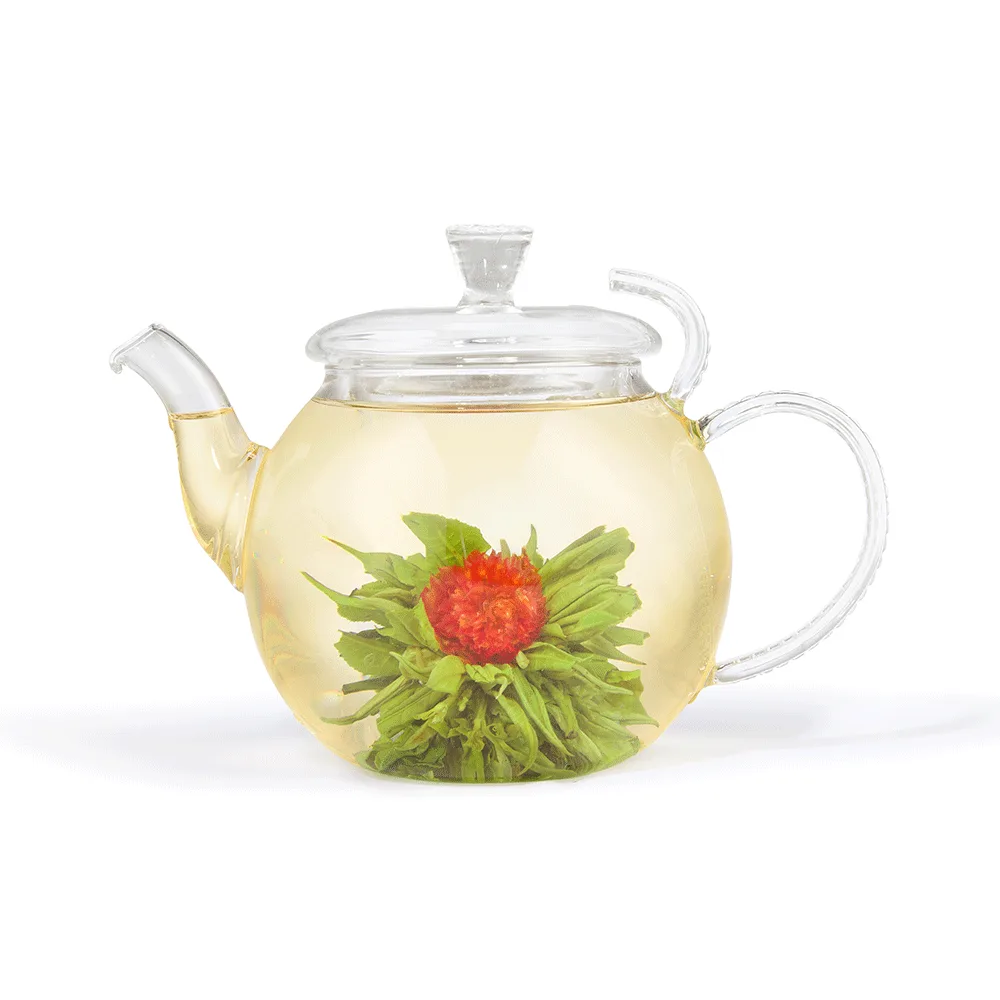
The best teapot for flowering tea is a clear glass teapot. This allows you to watch the tea unfurl and appreciate the visual spectacle. A glass teapot also doesn't absorb flavors, so it won't affect the tea's delicate taste.
When selecting a teapot, consider the size. A 500ml to 750ml teapot is ideal for one or two servings. Ensure the spout and lid are large enough to accommodate the flowering tea ball as it expands.
- Use a clear glass teapot to enjoy the full blooming effect.
- Avoid metal or clay teapots, as they can alter the flavor and hide the bloom.
Water Temperature and Quality
Flowering tea is typically made with green tea leaves, which are delicate and can become bitter if steeped in boiling water. The ideal water temperature is around 175°F (80°C). If you don't have a temperature-controlled kettle, let boiling water sit for a minute or two to cool.
Use fresh, filtered water for the best taste. Tap water with high mineral content can affect the flavor and clarity of the tea. The water quality also impacts the visual appeal, as cloudy water can obscure the bloom.
- Heat water to 175°F (80°C) – not boiling.
- Use filtered or spring water for a clearer, purer brew.
Steeping Time and Serving
Steep flowering tea for 3-5 minutes. The exact time depends on your preference for strength. As the tea ball opens, the leaves release flavor, and the flowers add a subtle sweetness. Over-steeping can make the tea bitter, so set a timer.
Flowering tea can be re-steeped two to three times. Each infusion will have a slightly different flavor and visual display. For subsequent steeps, add a minute to the steeping time and use slightly hotter water if needed.
- Start with 3 minutes and adjust to taste.
- Use a timer to avoid over-steeping.
Step-by-Step Brewing Guide
- Step 1: Warm the Teapot: Rinse your glass teapot with warm water to preheat it. This helps maintain a consistent temperature during steeping. Checkpoint: The teapot should feel warm to the touch but not hot.
- Step 2: Place the Flowering Tea Ball: Gently place one flowering tea ball into the teapot. Avoid dropping it from a height to prevent breaking the delicate leaves. Checkpoint: Ensure the tea ball is centered for even blooming.
- Step 3: Heat Water to 175°F (80°C): Heat fresh water to the correct temperature. If you don't have a thermometer, let boiling water cool for 1-2 minutes. Checkpoint: The water should be steaming but not bubbling.
- Step 4: Pour Water Over the Tea: Pour the hot water gently over the tea ball, filling the teapot to about 80% full. Leave room for the tea to expand. Checkpoint: Watch the tea begin to unfurl – the first sign of a good bloom.
- Step 5: Steep for 3-5 Minutes: Set a timer for 3 minutes and let the tea steep. Adjust time based on desired strength, but do not exceed 5 minutes to avoid bitterness. Checkpoint: Common mistake – over-steeping. Use a timer to prevent this.
- Step 6: Serve and Enjoy: Pour the tea into cups, leaving the blooming tea in the pot. Add more hot water for subsequent infusions. Checkpoint: The tea can be re-steeped 2-3 times, with slightly longer steeps each time.
Product Facts
- Tea Hourglass Sand Timer - 3, 5min: This double sand timer offers a precise 3-minute measure for delicate green tea and oolong tea, and a 5-minute measure on the other side. A timer ensures you don't over-steep your flowering tea, which is often green tea-based, keeping it sweet and not bitter.
- Gyokuro Boutique Pouch 100g: Gyokuro is a shade-grown Japanese green tea known for its sweet, mild profile. If you enjoy the delicate flavor of green tea in flowering teas, Gyokuro is a great loose-leaf alternative for a similar refined taste.
Brewing flowering tea is a delightful ritual that combines taste and visual beauty. With the right teapot, water temperature, and steeping time, you can enjoy a perfect bloom every time. Remember to use a timer and savor the experience.